“For the FIRST time in recorded history, EVERY major civilization—America, China, Europe, Japan—is hitting the absolute peak of the debt super-cycle AT THE EXACT SAME MOMENT. There is no rising power waiting in the wings like there always has been. When this resets, it won’t be regional. It will be global, systemic, and sudden.”
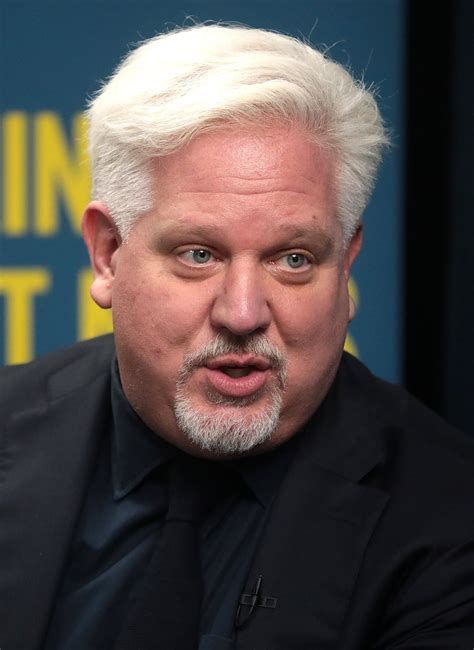
Glenn Beck lays out the only three ways every debt empire has ever ended: • Hyperinflation wipeout (Weimar, Rome, France) • Hard default + revolution (Russia 1917, Argentina ×9) • World war → new monetary order (Napoleonic Wars → Gold Standard → Bretton Woods)
Then the line that stopped me cold:“Rome fell alone. Britain declined while America rose. This time… no one is coming up.”
Beck ends with fire: Every single collapse in history birthed renewal — Christian Europe from Rome’s ashes, the modern nation-state from France’s terror, the greatest prosperity explosion ever after WWII.
The next chapter is not written. It never will be written by Washington, Wall Street, Beijing, or Davos.
It will be written by us — in our families, communities, and convictions.
Then come back and tell me: Which system do you think is quietly being built right now to replace the one that’s dying?
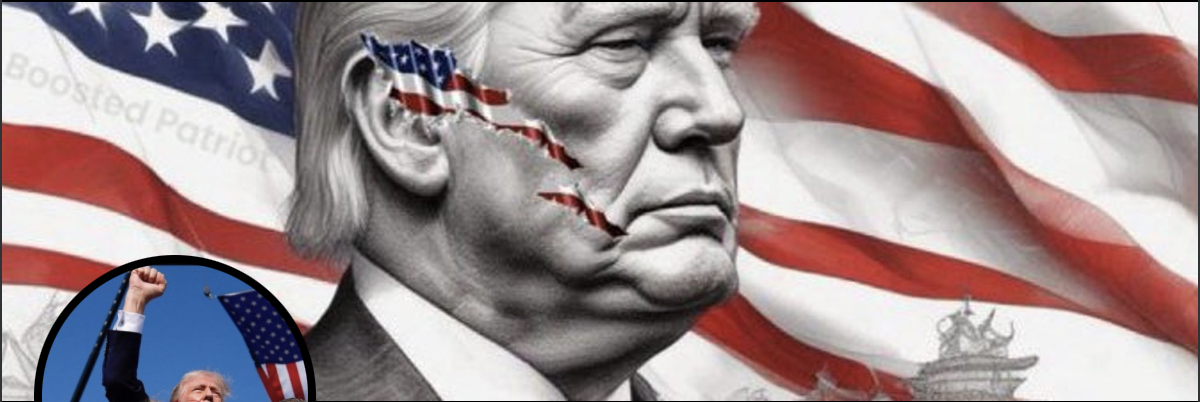
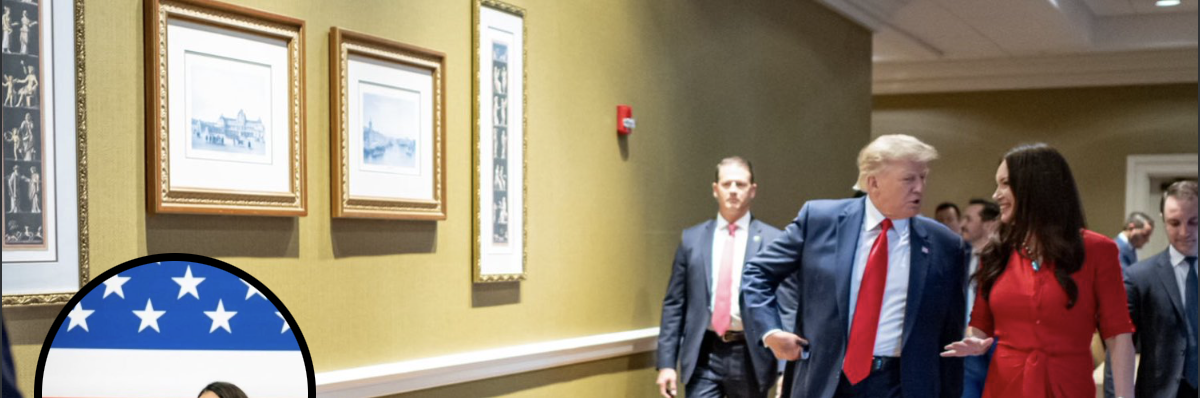
Donald J. Trump, 45th & 47th President of the United States
Donald John Trump (born June 14, 1946) is an American politician, media personality, and businessman who served as the 45th president of the United State from 2017 to 2021. He won the 2024 election as the nominee of the Republican Party and is now the president-elect of the United States. He is scheduled to begin his second term on January 20, 2025, as the nation’s 47th president and will be the second president in American history to serve nonconsecutive terms, with Grover Cleveland being the first.
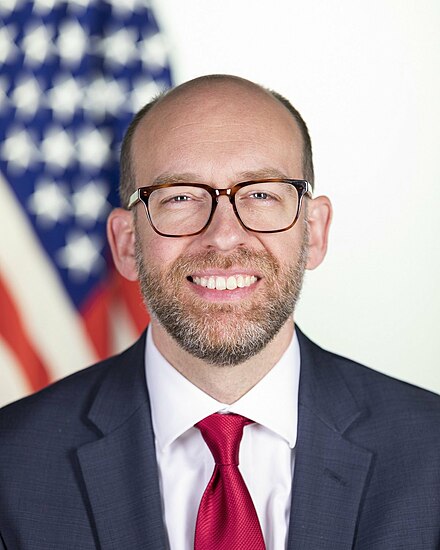
Russell Thurlow Vought (born March 26, 1976), or Russ Vought is an American former government official who was the director of the Office of Management and Budget from July 2020 to January 2021. He was previously deputy director of the OMB for part of 2018, and acting director from 2019 to 2020.
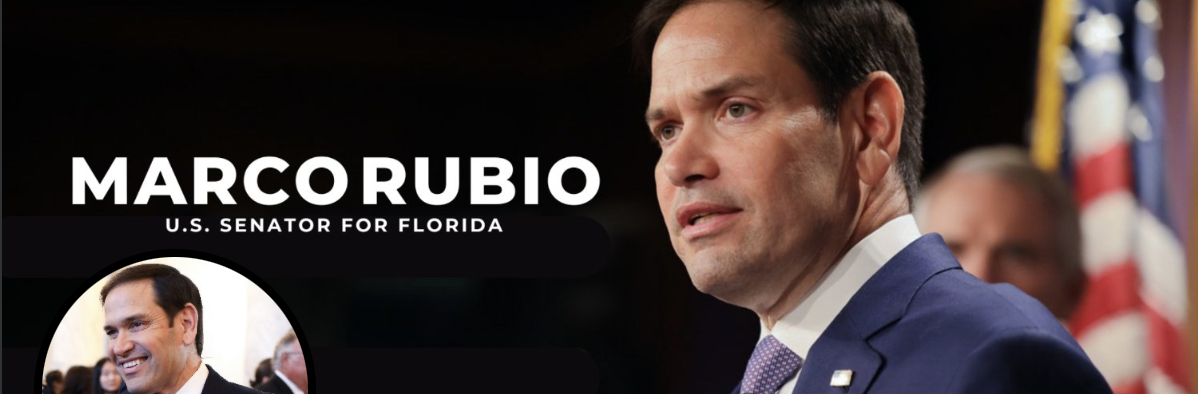
Sebastian Gorka & Alex Wong, Senior National Security Staff
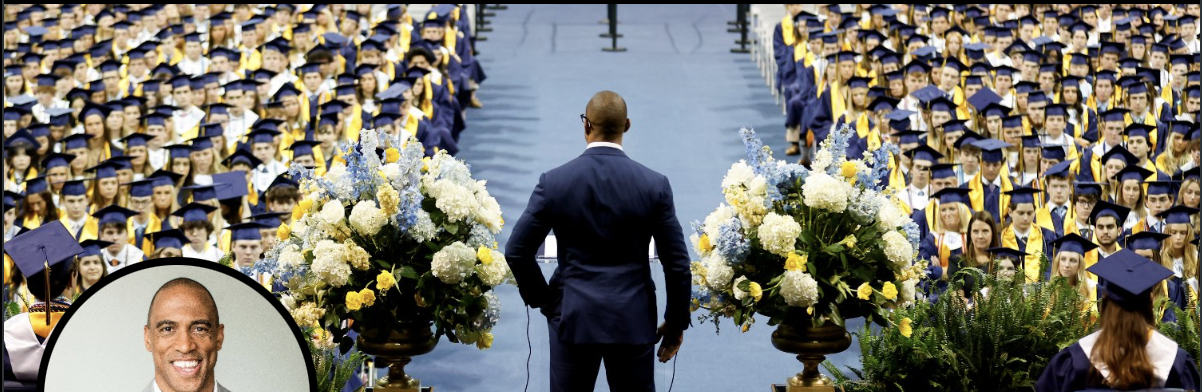
Doug Collins, Secretary of Veteran’s Administration(VA)
Paul Douglas Collins (born July 28, 1951) is an American basketballexecutive, former player, coach and television analyst in the National Basketball Association (NBA). He played in the NBA from 1973 to 1981 for the Philadelphia 76ers, earning four NBA All-Star selections. He then became an NBA coach in 1986, and had stints coaching the Chicago Bulls, Detroit Pistons, Washington Wizards and Philadelphia 76ers. Collins also served as an analyst for various NBA-related broadcast shows.[1] He is a recipient of the Curt Gowdy Media Award. In April 2024, Collins was elected to the Naismith Memorial Basketball Hall of Fame class of 2024 by the Contributors Committee.[2]
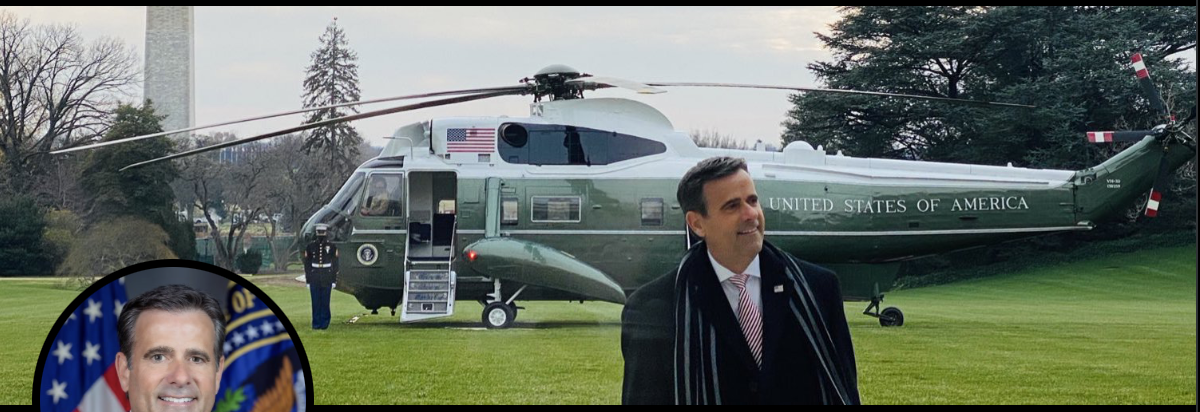
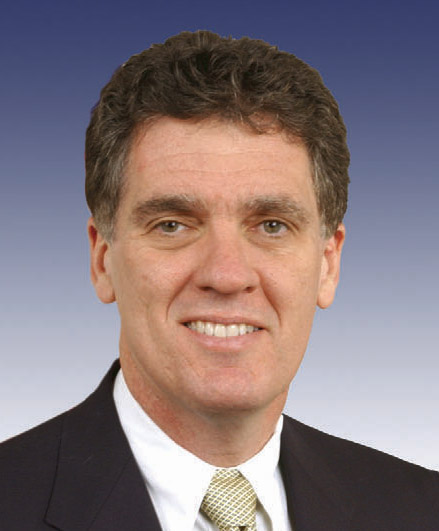
President Donald Trump announced on July 28, 2019, that he intended to nominate Ratcliffe to replace Dan Coats as director of national intelligence.[8][9] Ratcliffe withdrew after Republican senators raised concerns about him, former intelligence officials said he might politicize intelligence, and media revealed Ratcliffe’s embellishments regarding his prosecutorial experience in terrorism and immigration cases.[10][11][12][13]
Tulsi Gabbard, Director of National Intelligence (DNI)
• Is Bessent Compromised By Association with Soros & Rockefellers? • Scott Bessent, who will lead the Treasury Department, previously worked at George Soros Fund Management from 1991 to 2000, and then again as Chief Investment Officer from 2011 to 2015. During this period, he made a significant bet against the British pound, contributing to Soros’ famous “breaking of the Bank of England” and earning billions for the firm. The London office was led by Peter Soros, George Soros’ nephew, who has been named by Epstein’s former butler, Alfred Rodriguez, as having been involved in Epstein’s s*x trafficking activities. Bessent is also on the Board of Trustees at Rockefeller University, alongside prominent figures in the globalist establishment. ~ Shadow of Era
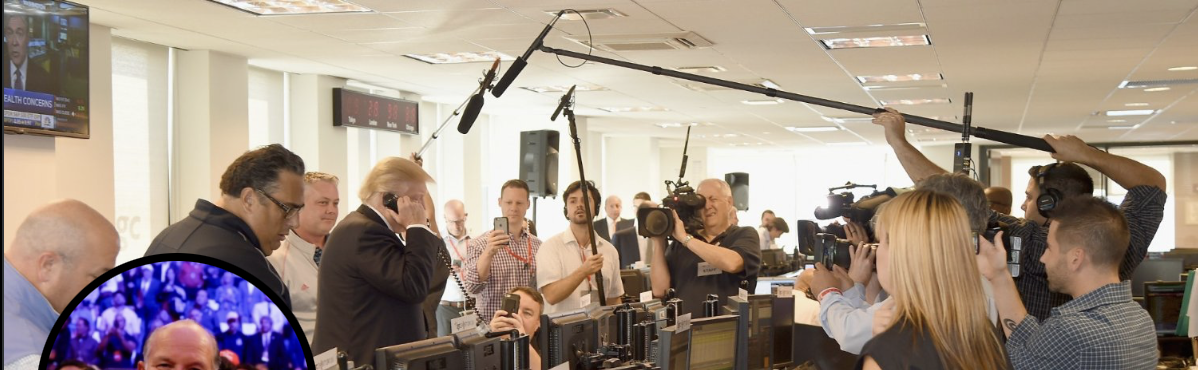
Howard Lutnick, Secretary of Commerce
Howard William Lutnick (/ˈlʌtnɪk/; born July 14, 1961[1]) is an American businessman, who succeeded Bernard Gerald Cantor as the head of Cantor Fitzgerald. Lutnick is the chairman and CEO of Cantor Fitzgerald and BGC Group. After losing 658 employees, including his brother, in the September 11 attacks, Lutnick also survived the subsequent collapse of the towers on the ground, and has since become known for his charity efforts through the Cantor Fitzgerald Relief Fund, which helps to aid families of victims of the attacks and natural disasters. He was a fundraiser for Donald Trump’s 2020 and 2024 presidential campaigns, as well as a vocal proponent of Trump’s proposal to implement broad tariffs. In November 2024, President-elect Trump announced that he intended to nominate Lutnick as secretary of commerce. He was also co-founder of DOGE.
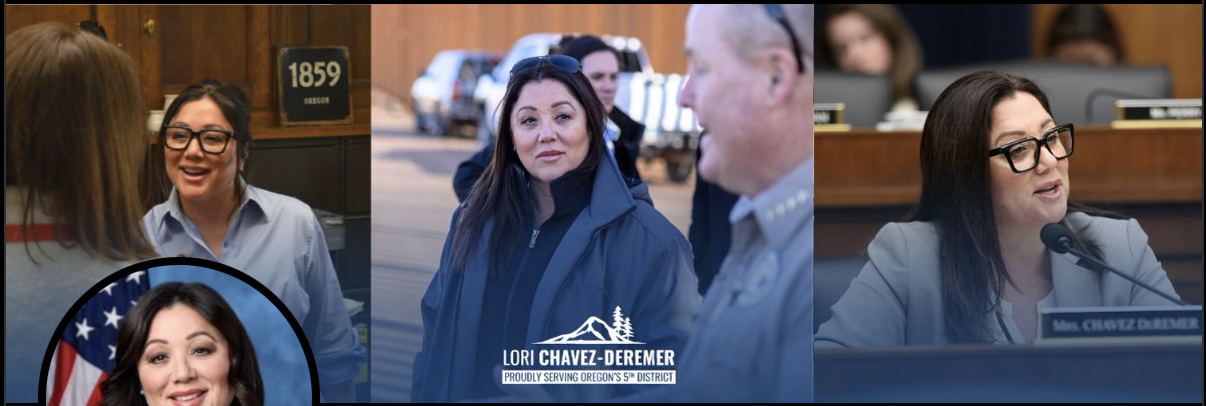
To Be Determined, Administrator of the SBA
Image Here…
Wikipedia:
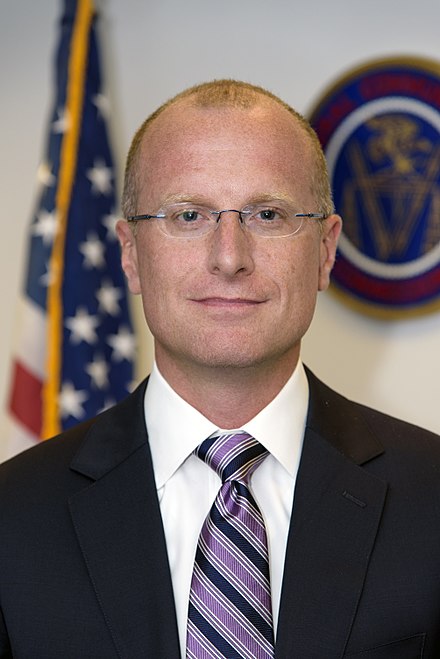
Brendon Carr, Commissioner of the Federal Communications Commission (FCC)
Brendan Thomas Carr (born January 5, 1979) is an American lawyer who has served as a member of the Federal Communications Commission (FCC) since 2017.[7] Appointed to the position by Donald Trump, Carr previously served as the agency’s general counsel and as an aide to FCC commissioner Ajit Pai. In private practice, Carr formerly worked as a telecommunications attorney at Wiley Rein.[8]
Carr supports changes to Section 230 of the Communications Decency Actand opposes net neutrality protections.[9][10] Carr is noted for his support for banning TikTok on national security grounds.[11][12] He is an opponent of content moderation on digital platforms, saying he would seek to “dismantle the censorship cartel and restore free speech rights.”[13][14] He authored a chapter in Mandate for Leadership: The Conservative Promise, the blueprint document of Heritage Foundation‘s Project 2025, which outlines proposed policies for a future Donald Trump administration. In office, Carr has been noted for being unusually vocal about public policy issues for a regulatory appointee, accusing House Intelligence Committee chair Adam Schiff of overseeing a “secret and partisan surveillance machine”.[15]
• Restore Net Neutrality& Equalize the Internet Playing Field
Dr. Jay Bhattacharya, MD, Ph.D., Director of the National Institutes of Health (NIH)
Jayanta “Jay” Bhattacharya (born 1968) is an American professor of medicine, economics, and health research policy at Stanford University. He is the director of Stanford’s Center for Demography and Economics of Health and Aging. His research focuses on the economics of health care.[2][3][4] In 2021, Bhattacharya was opposed to lockdowns and mask mandates as a response to the COVID-19 pandemic.[5][6] With Martin Kulldorff and Sunetra Gupta, he was a co-author in 2020 of the Great Barrington Declaration, which advocated lifting COVID-19restrictions on lower-risk groups to develop herd immunity through widespread infection, while promoting the fringe notion that vulnerable people could be simultaneously protected from the virus.[7][8][9] The declaration was criticized as being unethical and infeasible by Tedros Adhanom Ghebreyesus, the director-general of the World Health Organization.[10]
• Co-Author of The Great Barrington Declaration
Dr. Dave Weldon, Director of the Centers for Disease Control (CDC)
•Mission to Examine the Causes of Chronic Illness • “The greatest perpetrator of misinformation during the COVID pandemic has been the United States government … Public health officials were intellectually dishonest. They lied to the American people.” ~ Marty Makary, MD, MPH • Author of Blind Spots
Dr. Janette Nesheiwat, US Surgeon General
Janette Nesheiwat (born 25 August 1980) is an American physician who is the nominee for United States surgeon general.[2] Nesheiwat has served as an assistant medical director of CityMD[3] and is currently a medical contributor on Fox News.[4]
• Getting Flak for Her Previous Vaccine/COVID Positions. ~ Dr. Simone Gold • Trump’s pick for Surgeon General, Janette Nesheiwat, praised Facebook for censoring anti-vaccine information & accounts like mine and RFK’s specifically, adding that she will “hope and pray” other social media companies do the same. Pick someone else. ~ Elizabeth Health Nut News
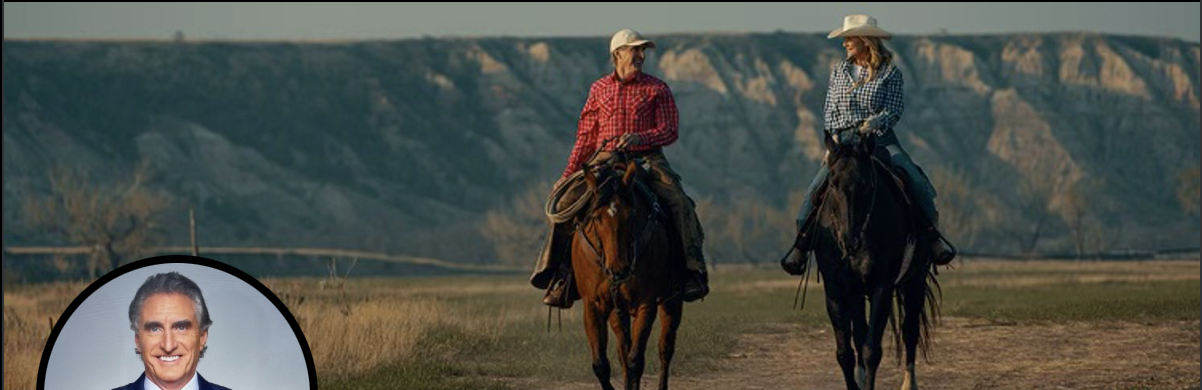
Doug Burgum, Secretary of the Interior
Douglas James Burgum (/bɜːrɡəm/BUR-gəm;[1] born August 1, 1956) is an American businessman and politician serving since 2016 as the 33rd governor of North Dakota.[2][3] He is among the richest politicians in the United States and has an estimated net worth of at least $1.1 billion. He is a member of the Republican Party.[4] Burgum was born and raised in Arthur, North Dakota.
When Perdue’s term ended on January 3, 2021, Loeffler ascended to be the senior senator from Georgia, a position she held for just under three weeks until Warnock was sworn in. Loeffler aligned with President Donald Trump in her time in the Senate, touting a “100 percent Trump voting record” during her campaigns.[3][4] After the November 2020 election, Loeffler and Perdue claimed without evidence that there had been unspecified failures in the 2020 U.S. presidential election, and called for the resignation of Georgia secretary of stateBrad Raffensperger, who rejected the accusations.
She later supported a lawsuit by Trump allies seeking to overturn the election results,[5] and also announced her intention to object to the certification of the Electoral College results in Congress.[6] After the attack on the U.S. Capitol on January 6, 2021, Loeffler announced that she would withdraw her objection to the certification of the electoral votes and later voted to certify. Loeffler was chosen by president-elect Trump to co-chair his inaugural committee in his upcoming second presidency, along with Steve Witkoff.
Linda Marie McMahon (/məkˈmæn/; née Edwards; born October 4, 1948) is an American politician, business executive and retired professional wrestler. She was the 25th administrator of the Small Business Administration from 2017 to 2019. McMahon has been nominated to lead the Department of Education under the second Trump administration.
McMahon, along with her husband, Vince McMahon, founded sports entertainment company Titan Sports, Inc. (later World Wrestling Entertainment, Inc.) where she worked as the president and later CEO from 1980 to 2009. During this time, the company grew from a regional business in the northeast to a large multinational corporation. Among other things, she initiated the company’s civic programs, Get R.E.A.L. and SmackDown! Your Vote. She made occasional on-screen performances, most notably in a feud with her husband that culminated at WrestleMania X-Seven.
On April 15, she was named chairwoman of America First Action, a pro-Trump Super PAC. On November 19, 2024, McMahon was nominated by Donald Trump to serve as Secretary of Education.[2]
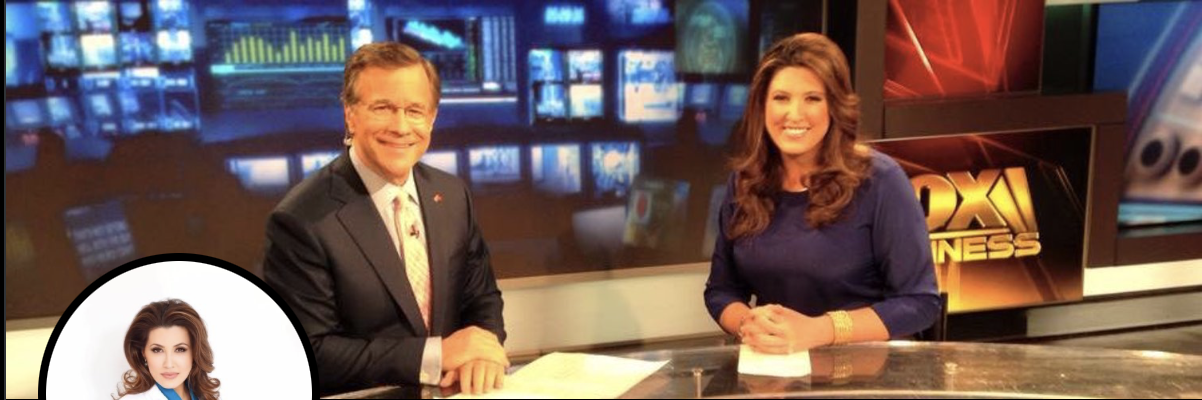
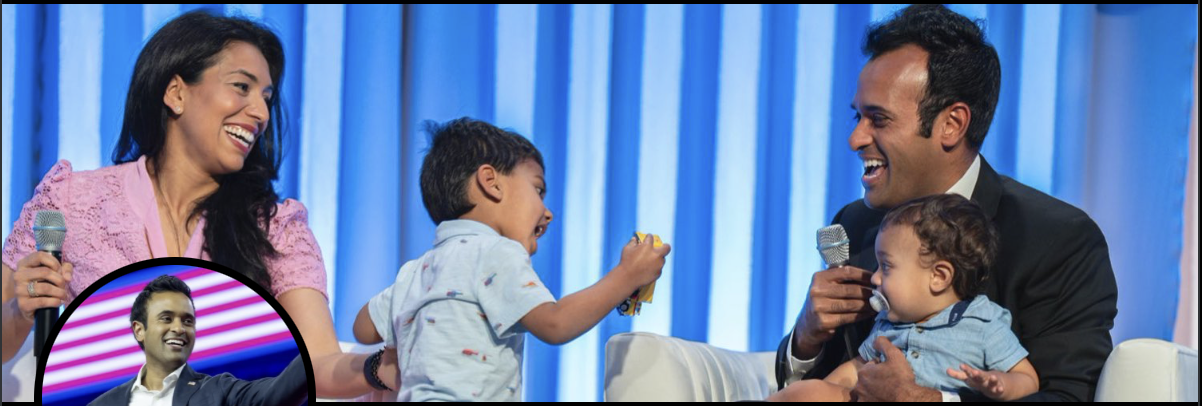
Vivek Ramaswamy, Department of Government Efficiency (DOGE)
Musk was born in Pretoria, South Africa, and briefly attended the University of Pretoria before immigrating to Canada at the age of 18, acquiring citizenship through his Canadian-born mother. Two years later, he matriculated at Queen’s University at Kingston in Canada. Musk later transferred to the University of Pennsylvania and received bachelor’s degreesin economics and physics. He moved to California in 1995 to attend Stanford University, but never enrolled in classes, and with his brother Kimbal co-founded the online city guidesoftware company Zip2. The startup was acquired by Compaq for $307 million in 1999. That same year, Musk co-founded X.com, a direct bank. X.com merged with Confinity in 2000 to form PayPal. In 2002, Musk acquired US citizenship, and that October eBay acquired PayPal for $1.5 billion. Using $100 million of the money he made from the sale of PayPal, Musk founded SpaceX, a spaceflight services company, in 2002.
In 2004, Musk was an early investor in electric-vehicle manufacturer Tesla Motors, Inc. (later Tesla, Inc.), providing most of the initial financing and assuming the position of the company’s chairman. He later became the product architect and, in 2008, the CEO. In 2006, Musk helped create SolarCity, a solar energy company that was acquired by Tesla in 2016 and became Tesla Energy. In 2013, he proposed a hyperloop high-speed vactrain transportation system. In 2015, he co-founded OpenAI, a nonprofit artificial intelligenceresearch company. The following year Musk co-founded Neuralink, a neurotechnology company developing brain–computer interfaces, and The Boring Company, a tunnel construction company.
In early 2024, Musk became active in American politics as a vocal and financial supporter of Donald Trump, becoming Trump’s second-largest individual donor in October 2024. In November 2024, Trump announced that he had chosen Musk along with Vivek Ramaswamyto co-lead the Department of Government Efficiency (DOGE), a new advisory board which aims to improve government efficiency through measures such as slashing “excess regulations” and cutting “wasteful expenditures”.
• Mission to Dismantle the Regulatory State & Cut Wasteful Spending
AMERICA FIRST AGENDA BY EXECUTIVE ORDER
Restore Border Security & Immigration Including Mass Deportation of Illegal Aliens
Declare War on Drug Cartels (Including Big Pharma & Global Actors)
Declare War on Child Trafficking & Establish Death Penalty for Convicted Human Traffickers
Halt Federal Funds for Any State or Local Government Defying Federal Immigration Law (End Sanctuary Cities)
Halt Federal Funds for Inappropriate Curricula Including Critical Race Theory, DEI, Transgender & Anti-American Political Content Taught in Schools
End Mutilation of Youth Through Gender Transitions; Cease Funding Any Sex & Gender Transition
Halt Federal Funding for Any Abortion Procedure or Organ Harvesting of New-Born Infants
Private Right of Action for Victims to Sue Doctors; Civil Rights Violations; Cease Funding to School Districts
End Electric Vehicle Mandates; Making Them Voluntary Not Mandatory
Restore Fundamental Protection of Free Speech & All Constitutional Rights; Prohibit Any Future Collusion Between Government & Private Sector to Deprive Citizens of Rights
Dismantle Needless Bureaucracy & Regulations
Dismantle or Overhaul All Weaponized Government Agencies Via Schedule F (Firing Incompetent or Corrupt Staff By Executive Order)
Clean Out All Corrupt Actors in National Security, Defense & Intelligence Apparatus
ESTABLISHING NEW GOVERNMENT PROGRAMS& LEGISLATION
Founding Department of Government Efficiency (DOGE)with Mission to Dismantle the Regulatory State & Cut Wasteful Spending)
Restore Economic Prosperity for All
Restore Energy Independence By All Means Necessary Including Fracking, Drilling & Green Energy
Restore Tax Incentives for Small Businesses
Cap Credit Card Rates at 10%
Founding The American Academy (Full Spectrum of Human Knowledge for Free Online; Bachelor’s Degree Available)
Department of Education Appoints New Accreditors for All Colleges/Universities to Qualify for Federal Funding (Restore Meritocracy in Our Educational Institutions)
Eliminate the Federal Income Tax & Replace with Tariffs On Imports
Allow IRS Deduction Up to $10k Towards Homeschooling Per Child
Become #1 Energy Producer in the World & Restore Energy Independence
Repeal of the 1986 Vaccine Injury Act
Restore FAIR Act for Equal Time in Broadcasting
Revoke Licenses & Funding for Propaganda Media (Including NPR)
Reintroduce 28th Amendment with Required That All Laws Applied Equally to Citizens & Congress
Propose ? Amendment for Term-Limits on Elected Officials in Congress
Restore Net Neutrality To Equalize the Internet Playing Field Once Again
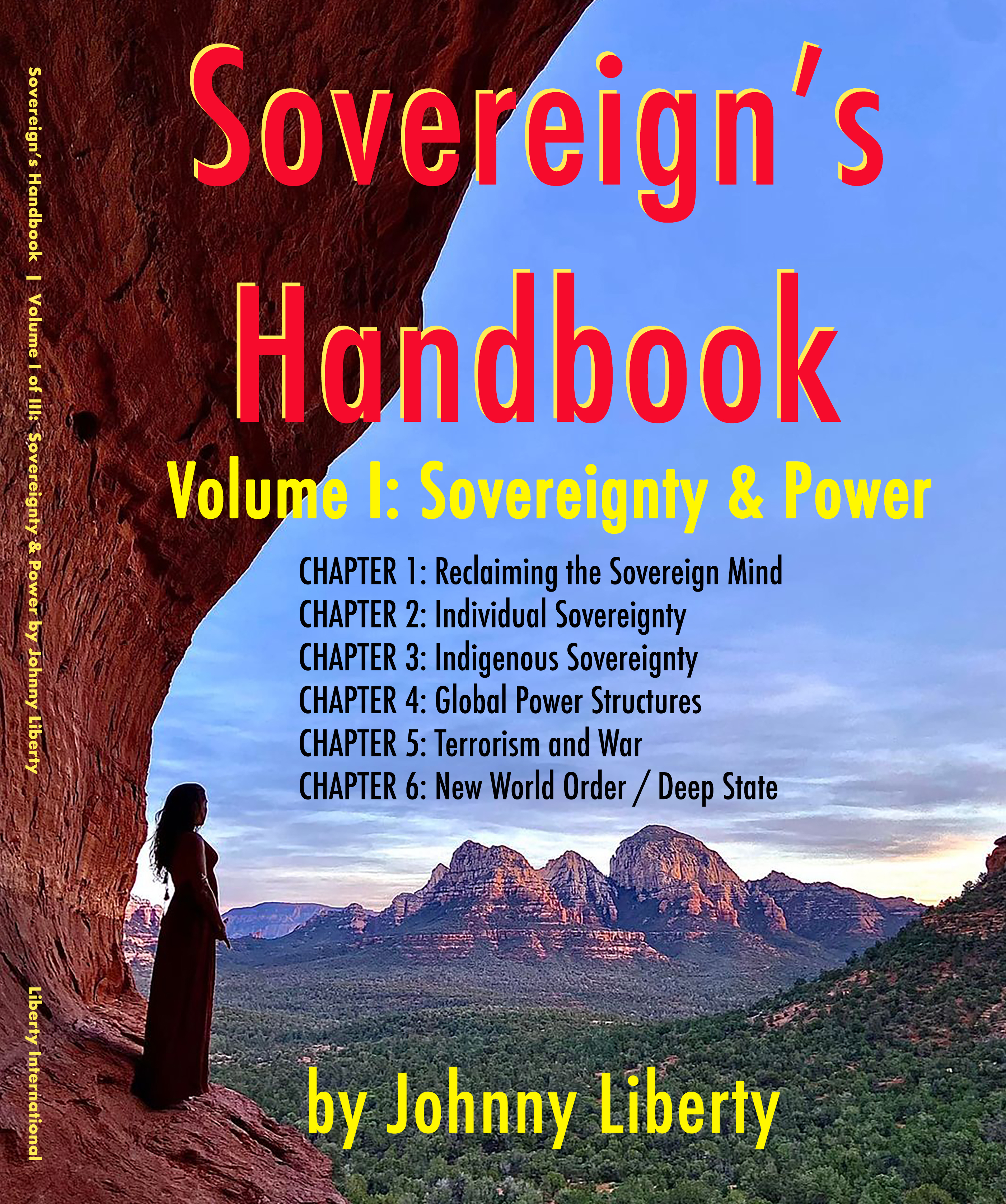
If you have ever heard talk or been to a seminar about “sovereignty”, then very likely those conversations were influenced by the foundational research of the author and educator.
His research and educational journey reaching millions of people worldwide began in 1992 and culminated in 2022 with the 3-Volume book release – his final word on the subject.
At the turn of the millennium his books and audio courses facilitated in part – a sovereignty and tax-honesty movement that involved millions of Americans.
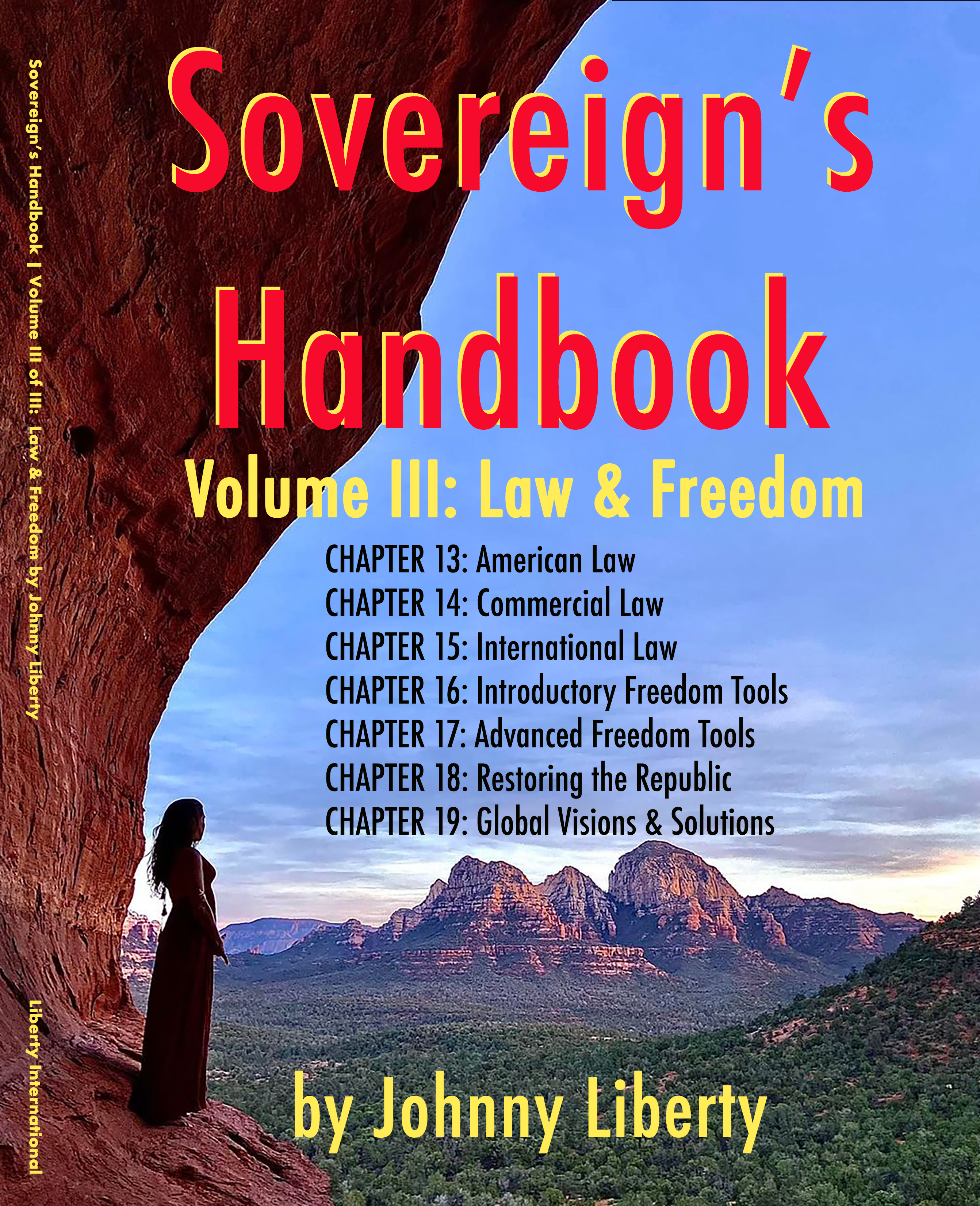
This 3 Volume series comprises the life’s work of Johnny Liberty filled with comprehensive insights into the last few hundred years of history, law, economics, money, citizenship and governance.
These books show how it is supposed to be done in a constitutional Republic.
How did We the People get to where we are today?
What can we do to reclaim our inherent sovereignty and natural rights?
Many of the answers may be found within these revolutionary pages. Available as a paperback, E-Book (PDF) or an Amazon Kindle format. Thank you for supporting the author.
Sincerely,
With Freedom For All, ~ Johnny Liberty
Sovereign’s Handbook by Johnny Liberty (30th Anniversary Edition)
A three-volume, 750 page tome with an extensive update of the renowned underground classic ~ the Global Sovereign’s Handbook.
Still after all these years, it is the most comprehensive book on sovereignty, economics, law, power structures and history ever written.
Served as the primary research behind the best-selling Global One Audio Course.
The 3 Volume Sovereign’s Handbook by Johnny Liberty is textbook material for everyone including educators/teachers, homeschoolers, historians, activists, leaders/politicians, attorneys/judges/law schools, police officers, and state Citizens/Nationals.
Sovereign’s Handbook by Johnny Liberty (30th Anniversary Edition) (3-Volume Printed, Bound Book or PDF)
A three-volume, 750+ page tome with an extensive update of the renowned underground classic ~ the Global Sovereign’s Handbook. Still after all these years, this is the most comprehensive book on sovereignty, economics, law, power structures and history ever written. Served as the primary research behind the best-selling Global One Audio Course. Available Now!
Dawning of the Corona Age: Navigating the Pandemic by Johnny Freedom (3rd Edition) (Printed, Bound Book or PDF)
This comprehensive book, goes far beyond the immediate impact of the “pandemic”, but, along with the reader, imagines how our human world may be altered, both positively and negatively, long into an uncertain future. Available Now!
Political commentator Kim Iversen warned rising corporate profits combined with higher prices and empty shelves will create a consumer backlash against corporations and fundamentally change the way the people view the government.
Political commentator Kim Iversen last week on The Hill’s “Rising” warned of coming civil unrest if inflation and supply shortages continue while corporate profits soar.
Iversen and co-hosts Ryan Grim and Robby Soave skewered BlackRock CEO Robert Kapito for complaining of “an entitled generation that has never had to make sacrifices before.”
Iversen reported that U.S. corporate profits hit a record high in the fourth quarter of 2021, jumping 25%, even as the gross domestic product dropped 6.9%.
“So, what does this mean exactly?” she asked.
“It means,” she said, “inflation is good for big businesses, which upped their prices in response to supply and labor shortages and saw profit margins increase 25% to $2.94 trillion — the largest gain since 1976.”
She singled out the oil industry, saying, “We know that while gas prices are taking a toll on working people, 25 of the world’s biggest fossil fuel corporations are reaping in record profits … [and] oil giant BP, for example, has hit its highest profits in eight years.”
According to Iversen, corporations are using “the slight inflation that we did see in the beginning” as an excuse to hike prices over the long term.
She said:
“If you combine the supply-chain problems with the energy price increases with the corporate greed, you’ve basically explained all of the inflation that we’ve experienced.”
Iversen cited a March 29 MSNBC tweet that questioned why Americans are dissatisfied with this “booming economy:”
This trend isn’t sustainable, even for the interests of corporations, since a “middle class that is poor” won’t be able to buy any products, Iversen said.
As a solution, she suggested supporting Bernie Sanders’ new proposal to tax windfall profits from the pandemic at 95%.
Soave then reported on BlackRock CEO Kapito’s controversial comments about the economy.
Speaking last month at the Texas Independent Producers and Royalty Owners Association, Kapito said, “For the first time, this generation is going to go into a store and not be able to get what they want,” adding, “ … we have a very entitled generation that has never had to sacrifice.”
“I think this generation has sacrificed,” said the 32-year-old Soave. “I think there’s been plenty of sacrificing.”
While conceding his generation was never forced to serve in a war, he cited other burdens, such as student loan debt and the difficult economy his generation confronted upon graduating in the wake of the 2008 financial meltdown.
Kapito graduated from the Wharton School in 1979 and immediately joined a Boston investment firm. He earned an MBA from Harvard in 1983 and went on to co-found BlackRock in 1988.
According to corporate proxy reports obtained by salary.com, Kapito made $22,115,203 in 2020. Wallmine reports his estimated net worth at $303 million (other estimates, in the wake of the pandemic, are closer to $400 million).
Kapito, who turned 65 in February, has no published record on the web of military or civil service and would have been 15 years old when Richard Nixon announced the end of U.S. operations in Vietnam.
According to Blaze Media, Kapito’s warning came just days after Bloomberg economists advised Americans to consider budgeting an extra $5,200 this year — or $433 monthly — to prepare for historically high inflation.
Summing up the current economic trends, Iversen predicted:
“Look, the pitchforks are coming, guys. So either they do something about this, or the pitchforks are coming. If people can’t go to the grocery store and buy what they need, if they’re seeing like what this BlackRock executive is saying … if we walk into the stores and the shelves are empty and we’re not in a pandemic anymore and we can’t commute where we need to commute because gas prices are too high, this is going to change fundamentally the way the people view the government, and it’s not going to be good.”
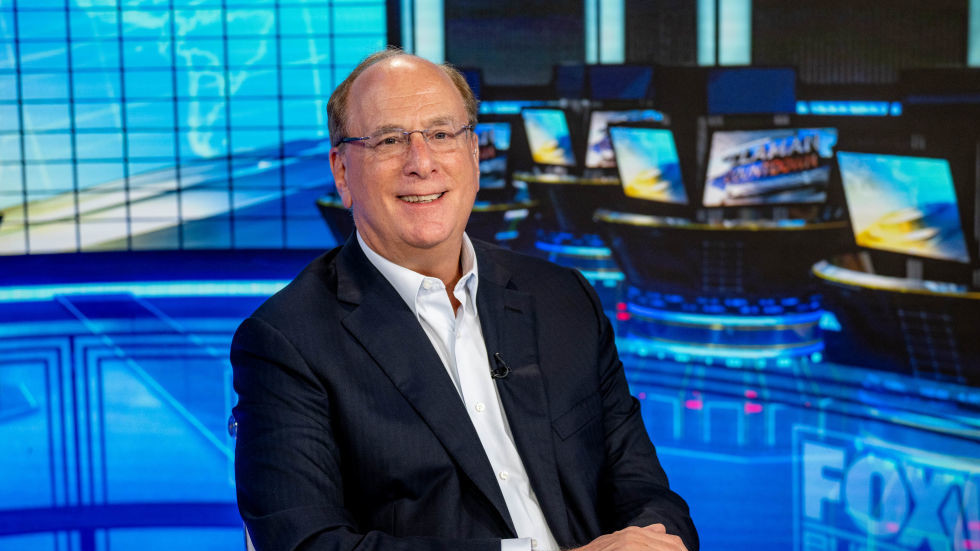
BlackRock CEO Larry Fink, whose firm oversees investments equivalent to about half of US GDP, has predicted that efforts to punish Russia over its invasion of Ukraine would lead to the unraveling of globalism as decision-makers reconsider their foreign vulnerabilities.
“The Russian invasion of Ukraine has put an end to the globalization we have experienced over the last three decades,” Fink said on Thursday in a letter to investors. “We had already seen connectivity between nations, companies and even people strained by two years of the pandemic. It has left many communities and people feeling isolated and looking inward. I believe this has exacerbated the polarization and extremist behavior we are seeing across society today.”
Western nations responded to the Ukraine crisis by launching an “economic war” against Moscow, including the unprecedented step of barring the Russian central bank from deploying its foreign currency reserves, Fink noted. Capital markets, financial institutions and other businesses have gone beyond the sanctions imposed by their governments, cutting off their Russian ties and operations.
“Russia’s aggression in Ukraine and its subsequent decoupling from the global economy is going to prompt companies and governments worldwide to re-evaluate their dependencies and re-analyze their manufacturing and assembly footprints – something that COVID-19 had already spurred many to start doing,” Fink said. As a result, he added, companies will move more operations to their home countries or to neighboring nations, leading to higher costs and prices.
The Russia-Ukraine conflict has “upended the world order” that has been in place since the Cold War ended and will require BlackRock to adjust to “long-term structural changes,” such as deglobalization and higher inflation, Fink said. He added that central banks will have to either accept increased inflation – even beyond the 40-year high that was set last month in the US – or reduced economic activity and employment.
New York-based BlackRock handles $10 trillion in assets, making it the world’s largest money manager, so Fink’s views are closely watched by investors. In fact, the billionaire wields so much financial clout that his thoughts can be self-fulfilling, to some degree. Among other implications, he said he sees the Ukraine crisis accelerating the development of digital currencies and speeding the shift away from fossil fuels.
“The ramifications of this war are not limited to Eastern Europe,” Fink said. “They are layered on top of a pandemic that has already had profound effects on political, economic and social trends. The impact will reverberate for decades to come in ways we can’t yet predict.”
Although Fink and Russian leaders don’t see eye-to-eye on the Ukraine conflict – the money manager blames Moscow for causing the crisis – they agree that the world order is changing. Russian President Vladimir Putin said last week that sanctions against Moscow mark the end of an era, portending an end to the West’s “global dominance” both politically and economically. Ex-President Dmitry Medvedev echoed those comments this week, saying, “The unipolar world has come to an end.”
Johnny Liberty, Editor’s Note: Once again there’s more than meets the eye in the stimulus bill that just passed unanimously in the U.S. Senate. Apparently, if you read this article you’ll discover that the Federal Reserve has been granted extreme powers to stabilize the economy (which is the code word for bailing out the banks who have overextended themselves since 2008). Coronavirus is yet another smokescreen for transferring power from the people to the international bankers (not saying COVID-19 isn’t real). Another sad day for the future of freedom in the United States of America.
By Pam & Russ Martens
The U.S. Senate voted 96-0 late yesterday on a massive bailout of Wall Street banks versus a short-term survival plan for American workers thrown out of their jobs – and potentially their homes. The text of the final bill was breathtaking in the breadth of new powers it bestowed on the Federal Reserve, including the Fed’s ability to conduct secret meetings with no minutes provided to the American people. The House of Representatives has yet to vote on the bill.
The bill provides specific sums that can be made as loans or loan guarantees to passenger airlines ($25 billion), cargo airlines ($4 billion), and loans and loan guarantees to businesses necessary to national security ($17 billion). But when it comes to the money going to the Federal Reserve and then out the door to Wall Street, the legislation says only this:
“Not more than the sum of $454,000,000,000…shall be available to make loans and loan guarantees to, and other investments in, programs or facilities established by the Board of Governors of the Federal Reserve System for the purpose of providing liquidity to the financial system….”
Why does the Federal Reserve need $454 billion from the U.S. taxpayer to bail out Wall Street when it has the power to create money out of thin air and has already dumped more than $9 trillioncumulatively in revolving loans to prop up Wall Street’s trading houses since September 17, 2019 – long before there was any diagnosis of coronavirus anywhere in the world.
The Fed needs that money to create more Special Purpose Vehicles (SPVs) — the same device used by Enron to hide its toxic debt off its balance sheet before it went belly up. With the taxpayers’ money taking a 10 percent stake in the various Wall Street bailout programs offered by the Fed, structured as SPVs, the Fed can keep these dark pools off its balance sheet while levering them up 10-fold.
White House Economic Adviser Larry Kudlow acknowledged plans by the Fed to leverage the money at a White House press briefing this week, stating that the money the Treasury is handing over to the Fed would result in “$4 trillion in Federal Reserve lending power.”
The Fed has already created one of these SPVs. On March 17, the Fed said it was creating a Commercial Paper Funding Facility (CPFF) that would work like this:
“The Treasury will provide $10 billion of credit protection to the Federal Reserve in connection with the CPFF from the Treasury’s Exchange Stabilization Fund (ESF). The Federal Reserve will then provide financing to the SPV under the CPFF. Its loans will be secured by all of the assets of the SPV.”
The Fed also used SPVs during the 2007-2010 financial crisis to buy toxic debt from Bear Stearns to facilitate its takeover by JPMorgan Chase and to prop up AIG, a giant insurer that had gorged on Wall Street’s tricked-up derivatives. Those programs became known as Maiden Lane I, II and III.
Adding to the suspicions that the Fed doesn’t want to have to battle Freedom of Information Act (FOIA) requests (sunshine law requests) again in court, as it did and lost during the last financial crisis to keep its outrageous $29 trillion bailout program to Wall Street a secret from the public, the Senate-approved stimulus bill repeals the sunshine law for the Fed’s meetings until the President says the coronavirus threat is over or the end of this year. That could make any FOIA lawsuits to unleash details of what’s going on next to impossible since it has been codified in a federal law. The bill states the following:
SEC. 4009. TEMPORARY GOVERNMENT IN THE SUNSHINE ACT RELIEF. (a) IN GENERAL.—Except as provided in subsection 8 (b), notwithstanding any other provision of law, if the Chairman of the Board of Governors of the Federal Reserve System determines, in writing, that unusual and exigent circumstances exist, the Board may conduct meetings without regard to the requirements of section 552b of title 5, United States Code, during the period beginning on the date of enactment of this Act and ending on the earlier of— (1) the date on which the national emergency concerning the novel coronavirus disease (COVID–19) outbreak declared by the President on March 13, 2020 under the National Emergencies Act (50 20 U.S.C. 1601 et seq.) terminates; or (2) December 31, 2020.
This could mean that the American taxpayer may never learn why it went into debt to the tune of $454 billion if no records are being maintained.
Wall Street’s mega banks and their primary regulator, the Federal Reserve, are no longer just a threat to the safety and soundness of the U.S. banking system — together they are an unparalleled and unprecedented threat to the idea of democracy as we understand it.
We find it difficult to believe that Senators Bernie Sanders, Elizabeth Warren, Sherrod Brown and Jeff Merkley would vote in favor of this legislation – given their in-depth knowledge of what the Fed did during the last financial crisis. The public deserves an honest explanation from each of them.
Johnny Liberty, Editor’s Note: The ink was barely dry on the $2t stimulus bill before the two largest investment banks in America are now 51% owners of their respective investment banks in guess what country? China. Furthermore, with the prime rate at 0.25% these banks get to borrow as much from the Fed as they’d like and invest it anywhere in the world they’d like. China. This is funded by U.S. taxpayers in the long-run, but as we know the debt can NEVER be paid off.
By Zhang Yan and Julie Zhu
Goldman Sachs and Morgan Stanley said on March 27 they had received the final regulatory approvals to take majority stakes in their China securities joint ventures.
The approvals come as policymakers and authorities step up efforts to shield the world’s second-largest economy, battered by the CCP virus pandemic.
The Epoch Times refers to the novel coronavirus, which causes the disease COVID-19, as the CCP virus because the Chinese Communist Party’s coverup and mismanagement allowed the virus to spread throughout China and create a global pandemic.
Goldman and Morgan Stanley received the nods from the China Securities Regulatory Commission to raise their stakes in Goldman Sachs Gao Hua Securities and Morgan Stanley Huaxin Securities from 33 percent to 51 percent and 49 percent to 51 percent, respectively, the two Wall Street banks said in separate statements.
Majority ownership of the joint ventures potentially allows the U.S. banks to expand operations in China, and better integrate them with their global businesses.
Goldman in 2004 set up its China securities JV with Beijing Gao Hua Securities, which was co-founded by veteran Chinese banker Fang Fenglei.
Unlike most of the other China JVs, Goldman already has day-to-day operational control of its JV, which offers investment banking services such as equities and bond underwriting and deal advice.
Swiss lender UBS became the first foreign bank to hold a majority stake in a China securities business under the new rules in 2018. Japanese brokerage Nomura Holdings and JPMorgan got their approvals last year.
Credit Suisse is still awaiting approval after it submitted an application for majority-controlled securities JV.
Beijing promised to scrap foreign ownership caps on securities firms and mutual funds for foreign investors from April 1, in an interim Sino-U.S. trade deal signed in January.
The approvals for Goldman and Morgan Stanley come a day before China temporarily bars entry for most foreigners as an interim measure in response to the CCP virus epidemic.
Market participants said the thumbs up was a sign the country is continuing with the formal opening up of financial markets, despite the CCP virus.
Last Friday, Shanghai said some of the world’s top financial institutions, including BlackRock and JPMorgan, were stepping up investments in China’s financial hub, undeterred by the pandemic.
Despite that managerial control, Goldman has long made it clear it would eventually seek to take a majority stake too.
Shanghai-based Morgan Stanley Huaxin Securities was established in 2011 and its existing operations include underwriting and sponsoring equity and debt offerings as well as proprietary trading of bonds, it says on its website.
China raised the cap on foreign ownership of securities operations to 51 percent in 2018. Until then international banks had been allowed only minority stakes in their Chinese joint ventures.
Johnny Liberty, Editor’s Note: This is exactly why we stayed out of the markets due to the possibility of extreme fluctuation due to events beyond our control (e.g., coronavirus). This market adjustment was long overdue and the Power Structure took advantage of the “panic” in partnership with Big Media to remove trillions of dollars of value.
By Dave Merrill and Esha Dey
It is hard to follow the stomach–turning plunge across financial markets without hearing a reference to the Dow.
Professional money managers, as well as casual investors, often look at the Dow—or the Dow Jones Industrial Average—to get a 30-thousand feet view of the markets. Referred to as simply the Dow, it is a price–weighted average of 30 blue–chip U.S. stocks that are generally the leaders in their industry.
Amid the current carnage, observing the index can help in gauging the damage the coronavirus is inflicting on portfolios, and whether the downturn is a short-turn consequence of disrupted supply chains and skittish consumer demand or a broader symptom of a bull market that has run its course.
To better understand the differing aspects of the economy and the signals they are flashing, we have grouped the 30 Dow stocks into nine broad economic sectors—health care, energy, consumer staples, communication services, information technology, consumer discretionary, financials, industrials and basic materials. Here is an overview of the U.S. stock market through the lens of the Dow.
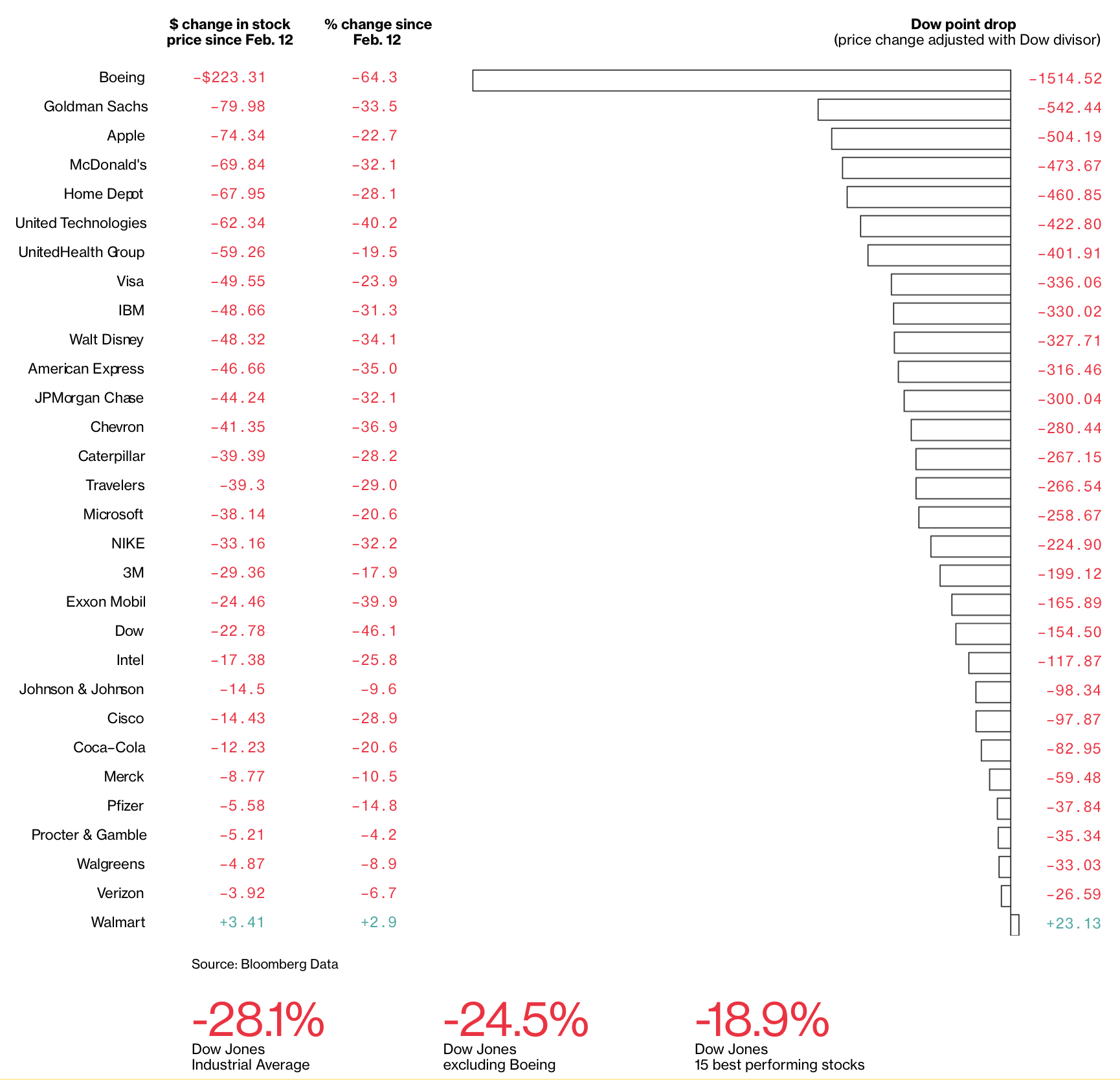
Components of a 8,300-Point Drop
Critics of the Dow say that it inaccurately portrays the general market as stocks with a higher price, such as Apple and Boeing, are over represented. Boeing is a relevant example as its current decline does not only reflect troubles related to the coronavirus outbreak, but also its ongoing crisis that was triggered by two fatal crashes of its 737 Max jet within a span of five months early last year. However, it is now the most significant contributor to the Dow’s drop since its peak on Feb. 12.
Percentage Drop by Industry Sectors, Best to Worst Performing
As shown in the chart above, certain stocks, such as Walmart, have been fairly resilient, with consumer staples as a group faring better than the rest overall. On average, stocks in four other sectors, health care, communications services, information technology and consumer discretionary are performing better than the overall drop of 28% in the Dow.
Consumer Staples
-7.7%
These consumer products are those that remain in family budgets regardless of financial problems in the larger economy, and are expectedly doing relatively better than the rest of the index. Walmart’s stock is seen as a “place to hide” amid the looming threat of a recession, while grocery sales overall are surging as consumers stock up and get ready to wait out the pandemic.
Health Care
-13.6%
Shares of pharmaceutical and biotechnology drug developers have done well amid the widespread panic, as several companies unveiled plans to combat Covid-19. At the same time, investors soured on the nation’s hospitals, which already saddled with debt, may feel an increased pressure as elective surgeries are delayed. Also, if the economy slides into a recession, it might mean the hospitals would get more patients that are covered by Medicare and Medicaid, which are less profitable, as well as see an increase in unpaid bills.
Communication Services
-20.4%
While the Dow includes just two companies from this group—Walt Disney and Verizon—overall, the sector’s stocks have done better than the broader market given a mixed exposure to the virus spread. The crisis has led to a drastic drop in ticket sales at movie theaters, yet, another part of the sector—like wireless service provider Verizon—remains largely insulated from any coronavirus impact, though equipment sales could see some declines due to supply constraints and store closings.
Information Technology
-25.5%
Technology companies—be it IBM, Apple or Microsoft—are being seen as reasonably defensive as patient investors look ahead to key tailwinds in 5G technologies, cloud computing products and artificial intelligence, even though strained global supply chains may have put a dent in near-term optimism.
Consumer Discretionary
-30.8%
Discretionary spends, such as buying new shoes, clothes, furnitures or cars, or even eating out, are expected to go down, reflected in the sharp decline seen in the stocks of Nike and McDonald’s. Restaurant stocks have continued to slide, as more companies shifted to takeout only, either by choice or state/city mandate, while cruise-line operators’ stocks are in a freefall.
Financials
-32.4%
Financial companies have been among the hardest hit as the virus threatened to tip the economy into a recession, with the KBW index of top U.S. banks falling nearly 40% since mid-February when the broader virus-fueled selloff began. With the Federal Reserve slashing its benchmark rate to near zero over the weekend, banks’ profits are expected to feel the squeeze, along with rising concern that borrowers may not be able to pay back loans in a faltering economy.
Industrials
-37.6%
With the virus outbreak forcing social distancing, and keeping people from buying cars or taking flights, the impact is rippling through the manufacturing industry and its supply chain. Factories and plants across the globe are being forced to shut down. Boeing, which was already struggling to sort out its troubles related to the 737 Max aircraft that was grounded last year after two fatal crashes, is now facing a double whammy as the airline industry sees an unprecedented drop in demand. That may, in turn, force airlines to defer their aircraft orders, or even cancel some if the situation does not improve in a few more months. The overall investor nervousness is also reflected in the shares of Caterpillar and United Technologies, two stocks that can be seen as bellwethers of the global industrial economy.
Energy
-38.4%
Energy stocks are taking a beating as the sector faces demand headwinds from coronavirus, while the ongoing price war between Saudi Arabia and Russia isn’t helping anyone’s cause. Energy is the worst-performing group in the S&P 500 this year, down 54%. Meanwhile, U.S. shale drillers are responding by slashing their capital budgets and dividends in a bid to weather the downturn.
Materials
-46.1%
The S&P 500 Materials index has lost about 28% since the rout started on Feb. 21. The worst hit sectors were chemical, fertilizer and industrial metals, all of which depend on the global economy for the demand of their products. The pullback led to fertilizer maker Mosaic Co. and plastic producer LyondellBasell Industries N.V. to lose about 50% of their stock value since the sell-off began. Meanwhile, gold miner Newmont Corp. was the least affected stock within the materials, as gold prices held up relatively well amid global panic selling.
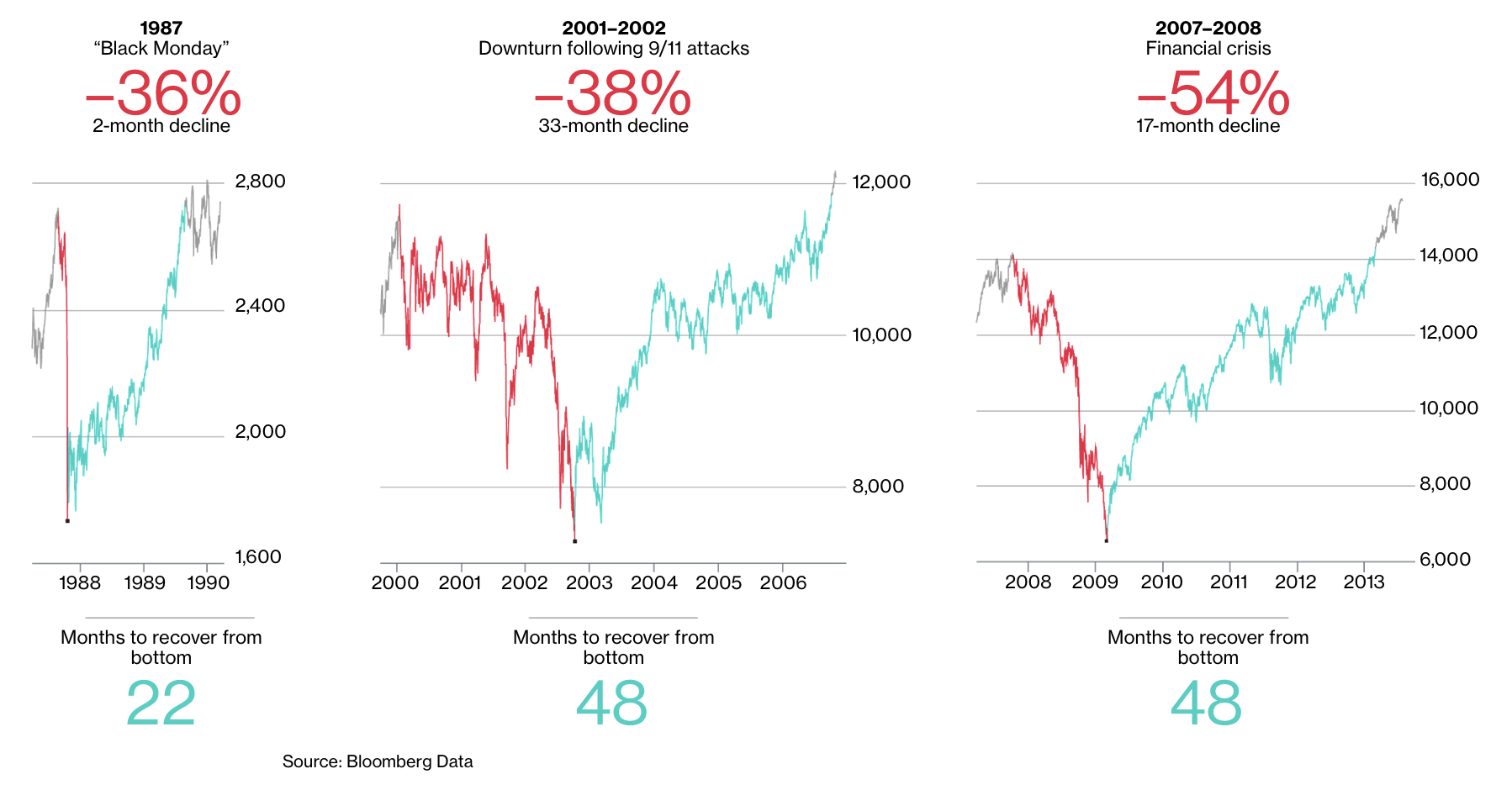
Recoveries from Collapse
Since the 1980s, the Dow has recorded three other losses of more than 25% from previous highs. Historically, recoveries from these lows have taken many months.




















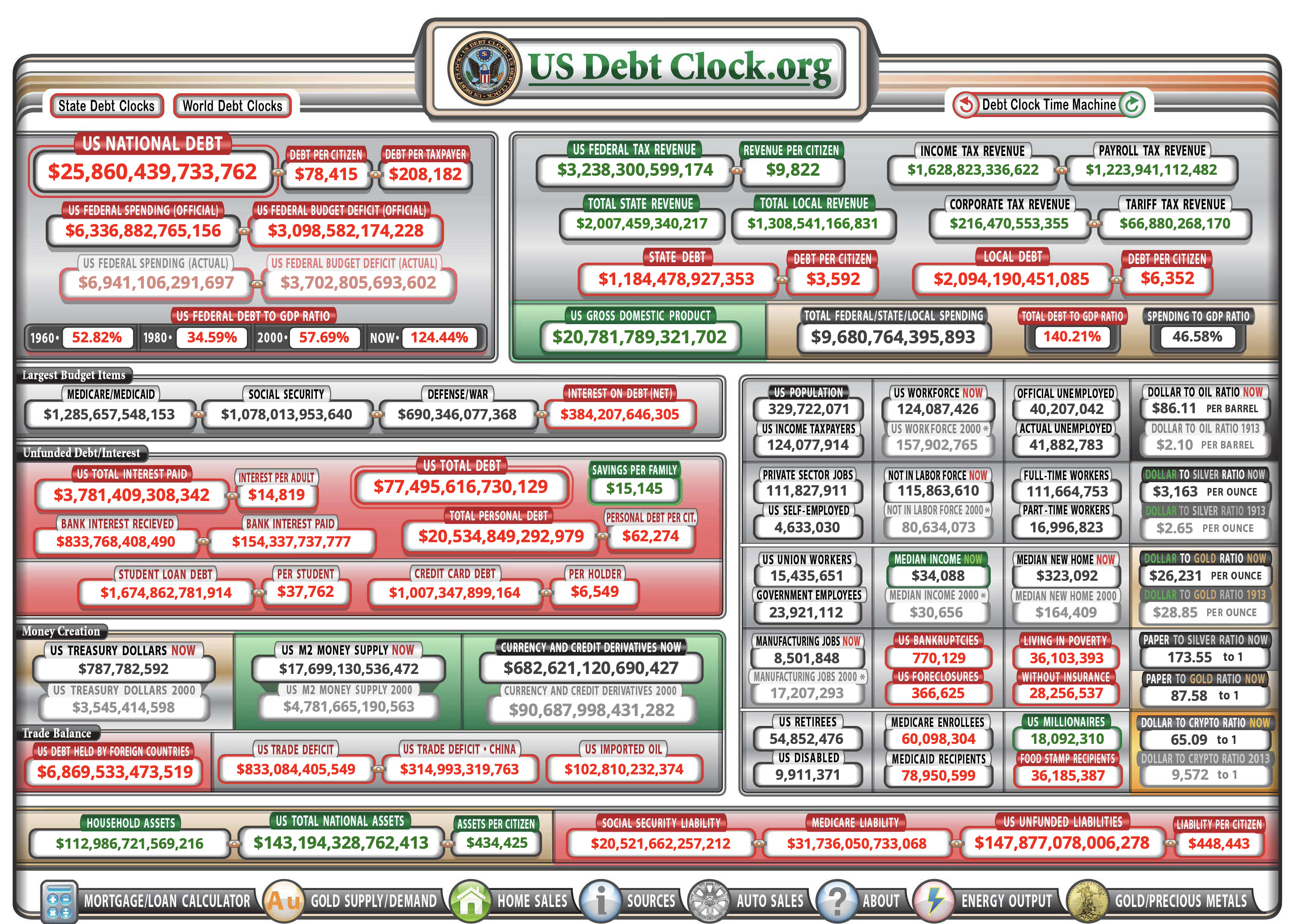
 Johnny Liberty, Editor’s Note: Once again there’s more than meets the eye in the stimulus bill that just passed unanimously in the U.S. Senate. Apparently, if you read this article you’ll discover that the Federal Reserve has been granted extreme powers to stabilize the economy (which is the code word for bailing out the banks who have overextended themselves since 2008). Coronavirus is yet another smokescreen for transferring power from the people to the international bankers (not saying COVID-19 isn’t real). Another sad day for the future of freedom in the United States of America.
 Johnny Liberty, Editor’s Note: The ink was barely dry on the $2t stimulus bill before the two largest investment banks in America are now 51% owners of their respective investment banks in guess what country? China. Furthermore, with the prime rate at 0.25% these banks get to borrow as much from the Fed as they’d like and invest it anywhere in the world they’d like. China. This is funded by U.S. taxpayers in the long-run, but as we know the debt can NEVER be paid off.
  Swiss lender UBS became the first foreign bank to hold a majority stake in a China securities business under the new rules in 2018. Japanese brokerage Nomura Holdings and JPMorgan got their approvals last year.
 Johnny Liberty, Editor’s Note: This is exactly why we stayed out of the markets due to the possibility of extreme fluctuation due to events beyond our control (e.g., coronavirus). This market adjustment was long overdue and the Power Structure took advantage of the “panic” in partnership with Big Media to remove trillions of dollars of value.
 Liberty International News