Trump Dream Team 2025 – 2028

Donald J. Trump, 45th & 47th President of the United States

Donald John Trump (born June 14, 1946) is an American politician, media personality, and businessman who served as the 45th president of the United State from 2017 to 2021. He won the 2024 election as the nominee of the Republican Party and is now the president-elect of the United States. He is scheduled to begin his second term on January 20, 2025, as the nation’s 47th president and will be the second president in American history to serve nonconsecutive terms, with Grover Cleveland being the first.

• Mission to Make America Great Again (MAGA)

JD Vance, Vice President
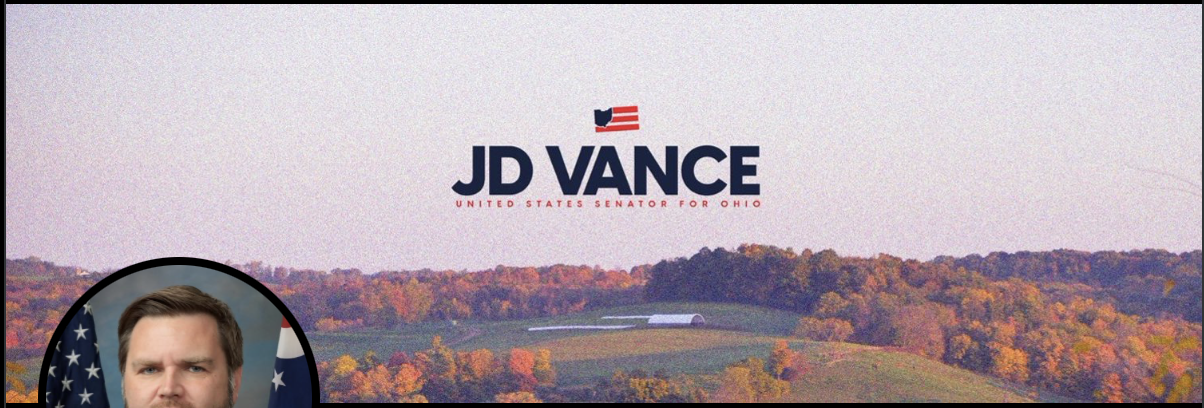
James David Vance (born James Donald Bowman;[a] August 2, 1984) is an American politician, attorney, author, and former United States Marine who is the vice president-elect of the United States. A member of the Republican Party, he has served since 2023 as the junior United States senator from Ohio. He was Donald Trump‘s running mate in the 2024 presidential election.

Susie Wiles, Chief of Staff

Susan Wiles (née Summerall; born May 14, 1957) is an American political consultant who served as co-chair of Donald Trump‘s 2024 presidential campaign, having previously worked on his 2016 campaign, as well as Ronald Reagan‘s 1980 campaign. She was chosen by president-elect Trump to serve as the 32nd White House chief of staff in the second Trump administration, set to begin in January 2025. She will be the first woman to hold the position.

Stephen Miller, Deputy Chief of Staff

Stephen Miller (born August 23, 1985)[1] is an American political advisor who served as a senior advisor for policy and White House director of speechwriting to President Donald Trump.[2]  He was previously the communications director for then-Senator Jeff Sessions. He was also a press secretary for U.S. representatives Michele Bachmann and John Shadegg.

Karoline Leavitt, White House Press Secretary
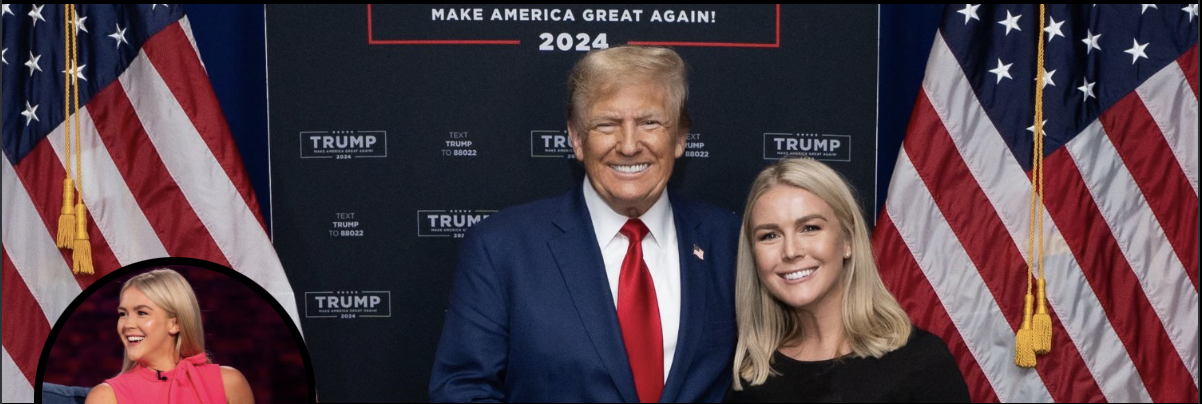
Karoline Claire Leavitt (born August 24, 1997)[1] is an American political aide currently serving as the national press secretary for Donald Trump’s 2024 presidential campaign.[2] She previously served as an assistant press secretary and presidential writer during the first Donald Trump administrationas well as a spokesperson for MAGA Inc., a pro-Trump Super PAC. In 2022, she ran for the U.S. House of Representatives in New Hampshire’s 1st district, becoming the second member of Generation Z to win a congressional primary. She lost the general election to incumbent Chris Pappas.[3] On November 15, 2024, president-elect Donald Trump chose Leavitt as his White House press secretary to succeed Karine Jean-Pierre.[4] She will be the youngest press secretary in United States history.[5]:

Russell Vought, White House Budget Office
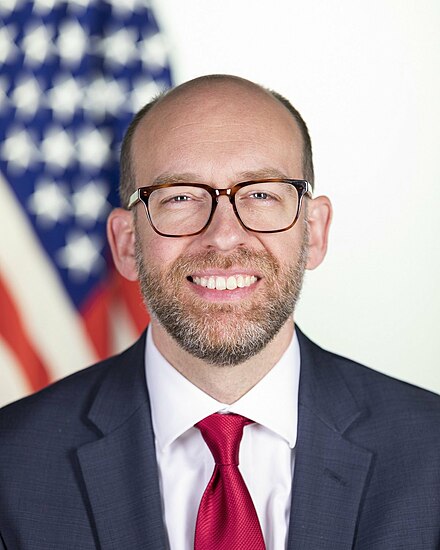
Russell Thurlow Vought (born March 26, 1976), or Russ Vought is an American former government official who was the director of the Office of Management and Budget from July 2020 to January 2021. He was previously deputy director of the OMB for part of 2018, and acting director from 2019 to 2020.

Sebastian Gorka & Alex Wong, Senior National Security Staff
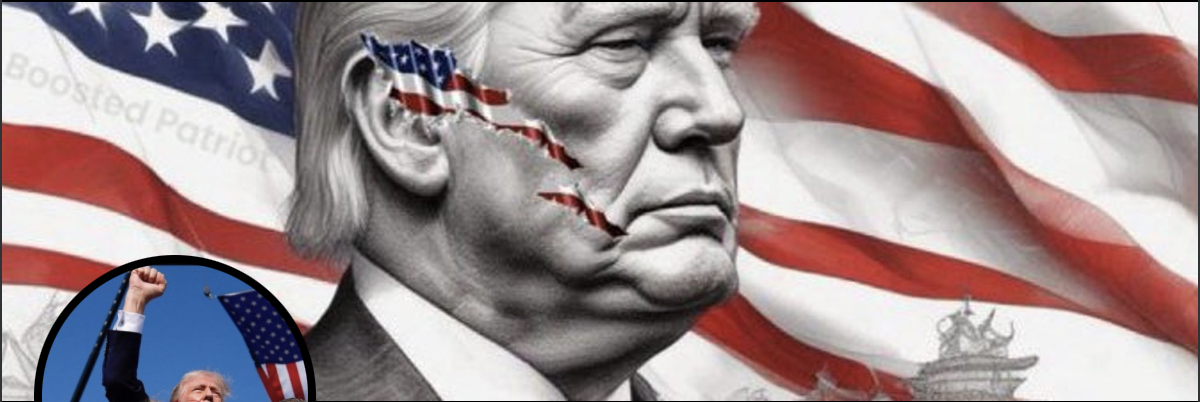
Sebastian Lukács Gorka (HungarianGorka Sebestyén Lukács; born October 22, 1970)[2] is a British-Hungarian-American media host and commentator, currently affiliated with Salem Radio Network and NewsMax TV, and a former United States government official. He served in the first Trump administration as a Deputy Assistant to the President for seven months, from January until August 2017.[3][4][5][6]

Pete Hegseth, Secretary of Defense

Peter Brian Hegseth (/ˈhɛɡsɛθ/; born June 6, 1980) is an American television presenter, author, and former Army National Guard officer who has been announced as the forthcoming nominee for United States Secretary of Defense in Donald Trump‘s second cabinet. A political commentator for Fox News since 2014 and weekend co-host of Fox & Friends from 2017 to 2024, he was previously the executive director of Vets for Freedom and Concerned Veterans for America.

Doug Collins, Secretary of Veteran’s Administration (VA)

Paul Douglas Collins (born July 28, 1951) is an American basketballexecutive, former player, coach and television analyst in the National Basketball Association (NBA). He played in the NBA from 1973 to 1981 for the Philadelphia 76ers, earning four NBA All-Star selections. He then became an NBA coach in 1986, and had stints coaching the Chicago BullsDetroit PistonsWashington Wizards and Philadelphia 76ers. Collins also served as an analyst for various NBA-related broadcast shows.[1] He is a recipient of the Curt Gowdy Media Award. In April 2024, Collins was elected to the Naismith Memorial Basketball Hall of Fame class of 2024 by the Contributors Committee.[2]

Marco Rubio, Secretary of State
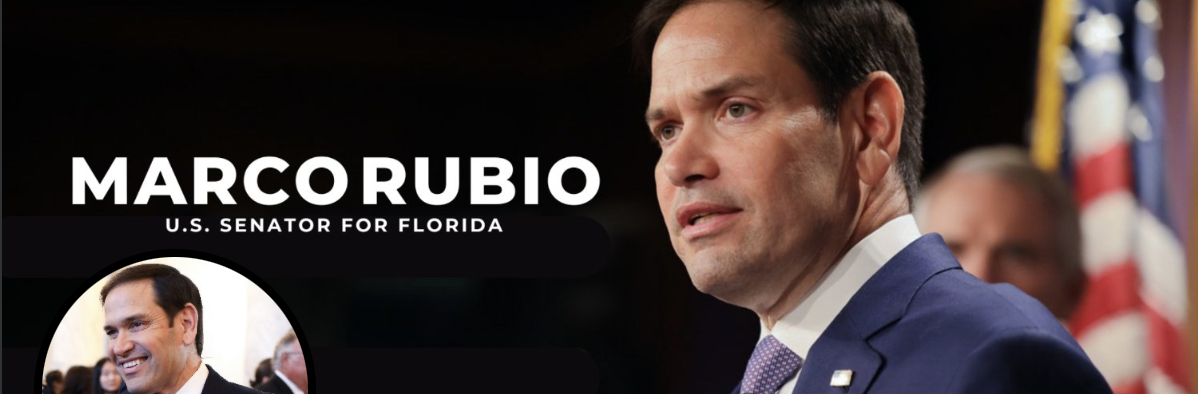
Marco Antonio Rubio (/ˈruːbioʊ/; born May 28, 1971) is an American politician and lawyer serving as the senior United States senator from Florida, a seat he has held since 2011. A member of the Republican Party, he served as Speaker of the Florida House of Representatives from 2006 to 2008. Rubio sought the Republican nomination for president of the United States in 2016, winning the presidential primaries in Minnesota, the District of Columbia, and Puerto Rico, but was ultimately unsuccessful.

Kristi Noem, Secretary of Homeland Security
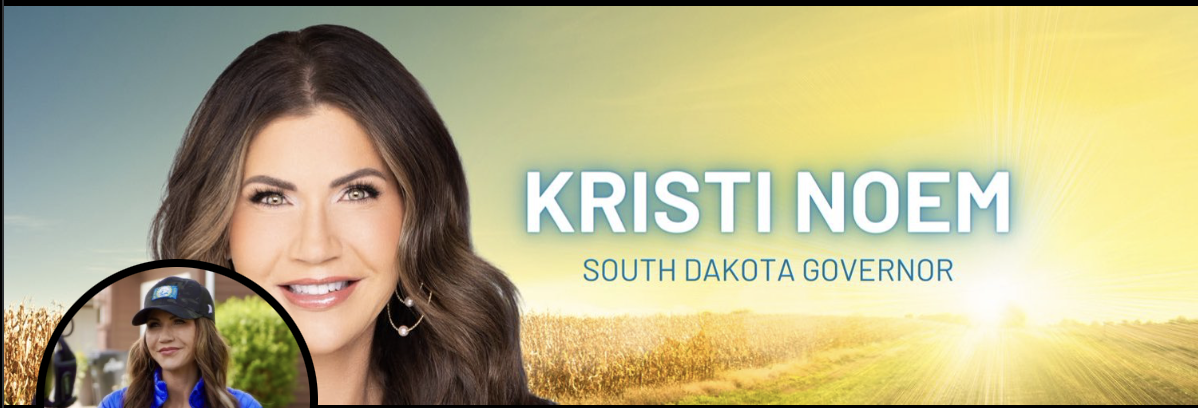
Kristi Lynn Noem (/noʊm/ NOHM;[1] née Arnold; born November 30, 1971) is an American politician who has served since 2019 as the 33rd governor of South Dakota. A member of the Republican Party, she was the U.S. representative for South Dakota’s at-large congressional district from 2011 to 2019, and a member of the South Dakota House of Representatives for the 6th district from 2007 to 2011.

Tom Homan, Border Czar
Thomas Douglas Homan[1] is an American former police officer, immigration official, and political commentator who served during the Obama administration, and will have served in both Trump administrations. He served as acting director of the U.S. Immigration and Customs Enforcement (ICE) from January 30, 2017, to June 29, 2018.[2] Homan advocates deportation of illegal immigrants and opposes sanctuary city policies. Within the government, he was among the most strident proponents of separating children from their parents as a means of deterring illegal entry into the country.[3] After 2018, he began contributing to Fox News as a commentator.[4] In November 2024, Trump announced that Homan will serve as “border czar” during his second presidency.[5]

Pam Bondi, Attorney General, Department of Justice (DOJ)
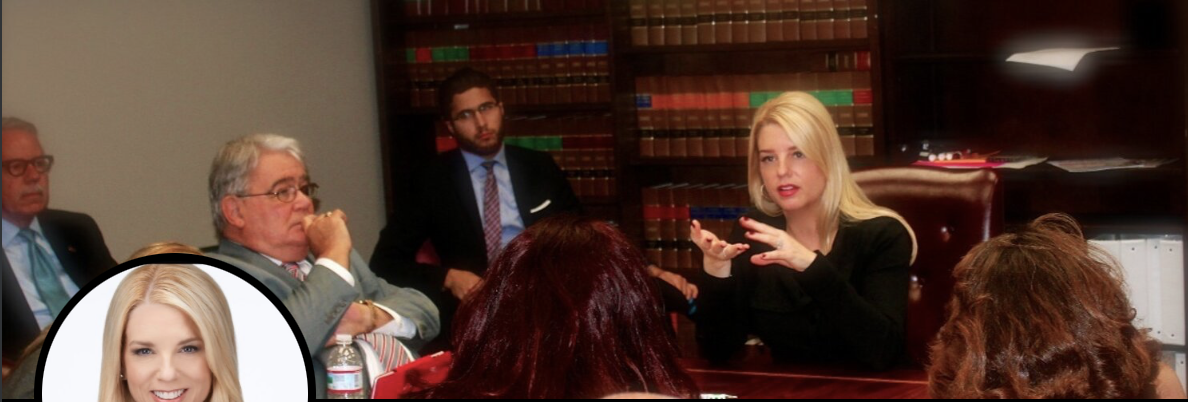
Pamela Jo Bondi[1] (born November 17, 1965) is an American attorney, lobbyist, and politician. A member of the Republican Party, she served as Florida attorney general from 2011 to 2019, the first woman elected to the office. In 2020, Bondi was one of President Donald Trump‘s defense lawyers during his first impeachment trial. By 2024, she led the legal arm of the Trump-aligned America First Policy Institute. On November 21, 2024, president-elect Trump announced she would be nominated for United States attorney general after previous nominee Matt Gaetz withdrew.

John Ratcliffe, Director of the CIA
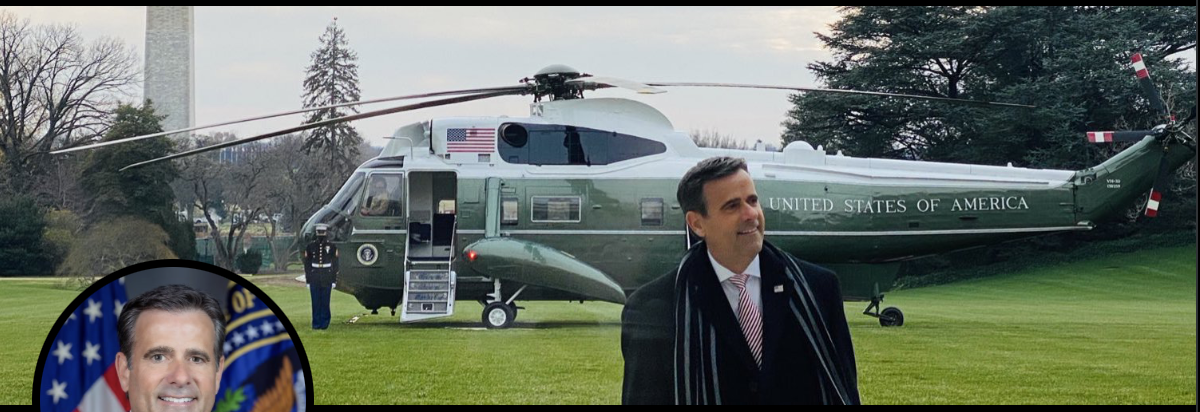
John Lee Ratcliffe[5] (born October 20, 1965) is an American politician and attorney who served as the director of national intelligence from 2020 to 2021. He previously served as the U.S. representative for Texas‘s 4th districtfrom 2015 to 2020. During his time in Congress, Ratcliffe was regarded as one of the most conservative members.[6][7] Ratcliffe also served as mayor of Heath, Texas, from 2004 to 2012 and acting United States attorney for the Eastern District of Texas from May 2007 to April 2008.

President Donald Trump announced on July 28, 2019, that he intended to nominate Ratcliffe to replace Dan Coats as director of national intelligence.[8][9] Ratcliffe withdrew after Republican senators raised concerns about him, former intelligence officials said he might politicize intelligence, and media revealed Ratcliffe’s embellishments regarding his prosecutorial experience in terrorism and immigration cases.[10][11][12][13]

Tulsi Gabbard, Director of National Intelligence (DNI)

Tulsi Gabbard (/ˈtʌlsi ˈɡæbərd/ TUL-see GAB-ərd; born April 12, 1981) is an American politician and military officer serving as a Lieutenant colonel in the U.S. Army Reserve[2][3] since 2021, having previously served in Hawaii Army National Guard from 2003 to 2020.[3][4] In November 2024, President-electTrump selected Gabbard for the position of Director of national intelligence in his second term, starting January 2025.[2][5] A former Congresswoman, Gabbard served as U.S. Representative for Hawaii’s 2nd congressional district from 2013 to 2021. She was the first Samoan-American member of Congress.[6] She was a candidate in the 2020 Democratic presidential primaries.[7][8] She left the Democratic Party in 2022 to become an independent. In 2024, she joined the Republican Party.[9][10][11]

Author For Love of Country

Mike Waltz, National Security Advisor
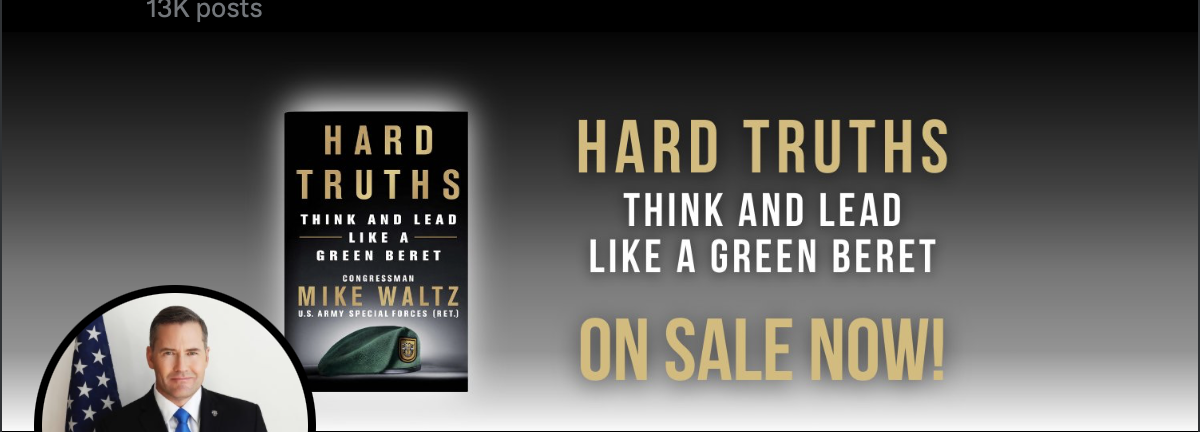
Michael George Glen Waltz (born January 31, 1974) is an American politician and a colonel in the United States Army serving as the U.S. representative for Florida’s 6th congressional district. A member of the Republican Party, he was first elected in 2018 and succeeded Ron DeSantis, who went on to be elected the 46th governor of Florida in 2018. On November 12, 2024, President-elect Donald Trump announced he will appoint Waltz to serve as his national security advisor.

Author of Hard Truths: Think & Lead Like A Green Beret

Kash Patal, Director of the FBI
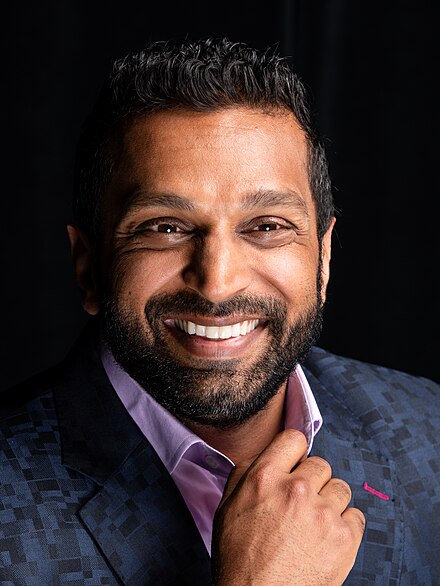
Kashyap Pramod Vino “Kash” Patel (born February 25, 1980)[1] is an American attorney and former government official. He served as a U.S. National Security Council official, senior advisor to the acting Director of National Intelligence, and chief of staff to the acting United States secretary of defense during the Trump presidency.[2][3][4] A member of the Republican Party, Patel previously worked as a senior aide to congressman Devin Nuneswhen he chaired the House Intelligence Committee.[5] He was previously a federal public defender, a federal prosecutor working on national security cases, and a legal liaison to the United States Armed Forces.[6]

• Does Christopher Wray Has To Resign First?

Scott Bessent, Secretary of Treasury

Scott Kenneth Homer Bessent (/ˈbɛsənt/ BEH-sənt; born August 1962) is an American hedge fund manager. He was a partner at Soros Fund Management and the founder of Key Square Group, a global macro investment firm.[1][2] Bessent has been a major fundraiser and donor for Donald Trump. He was an economic advisor for Trump’s 2024 presidential campaign. In November 2024, President-elect Trump named Bessent his nominee for Secretary of the Treasury.[3]

Is Bessent Compromised By Association with Soros & Rockefellers?
• Scott Bessent, who will lead the Treasury Department, previously worked at George Soros Fund Management from 1991 to 2000, and then again as Chief Investment Officer from 2011 to 2015. During this period, he made a significant bet against the British pound, contributing to Soros’ famous “breaking of the Bank of England” and earning billions for the firm. The London office was led by Peter Soros, George Soros’ nephew, who has been named by Epstein’s former butler, Alfred Rodriguez, as having been involved in Epstein’s s*x trafficking activities. Bessent is also on the Board of Trustees at Rockefeller University, alongside prominent figures in the globalist establishment. ~ Shadow of Era

Howard Lutnick, Secretary of Commerce
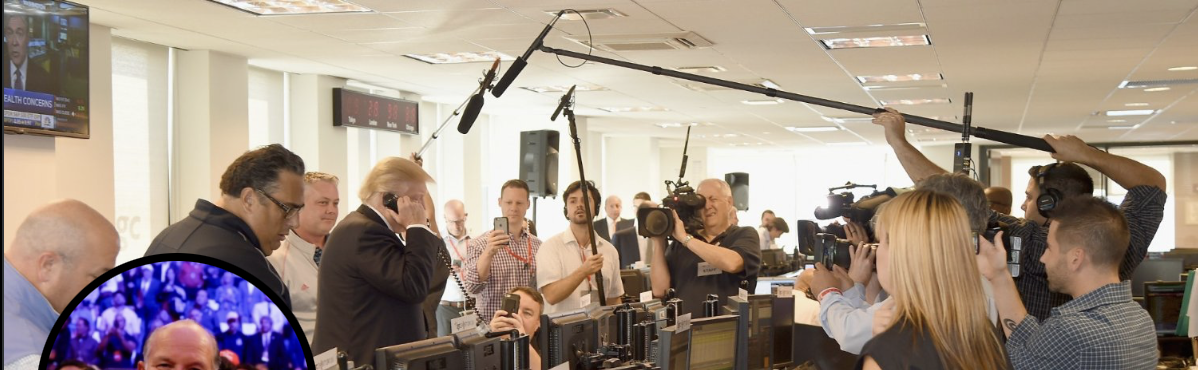
Howard William Lutnick (/ˈlʌtnɪk/; born July 14, 1961[1]) is an American businessman, who succeeded Bernard Gerald Cantor as the head of Cantor Fitzgerald. Lutnick is the chairman and CEO of Cantor Fitzgerald and BGC Group. After losing 658 employees, including his brother, in the September 11 attacks, Lutnick also survived the subsequent collapse of the towers on the ground, and has since become known for his charity efforts through the Cantor Fitzgerald Relief Fund, which helps to aid families of victims of the attacks and natural disasters. He was a fundraiser for Donald Trump’s 2020 and 2024 presidential campaigns, as well as a vocal proponent of Trump’s proposal to implement broad tariffs. In November 2024, President-elect Trump announced that he intended to nominate Lutnick as secretary of commerce. He was also co-founder of DOGE.

To Be Determined, Administrator of the SBA

Image Here…

Wikipedia:

Brendon Carr, Commissioner of the Federal Communications Commission (FCC)
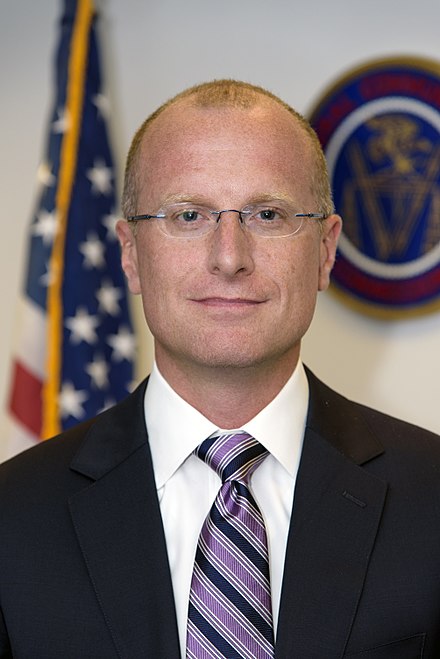
Brendan Thomas Carr (born January 5, 1979) is an American lawyer who has served as a member of the Federal Communications Commission (FCC) since 2017.[7] Appointed to the position by Donald Trump, Carr previously served as the agency’s general counsel and as an aide to FCC commissioner Ajit Pai. In private practice, Carr formerly worked as a telecommunications attorney at Wiley Rein.[8]

Carr supports changes to Section 230 of the Communications Decency Actand opposes net neutrality protections.[9][10] Carr is noted for his support for banning TikTok on national security grounds.[11][12] He is an opponent of content moderation on digital platforms, saying he would seek to “dismantle the censorship cartel and restore free speech rights.”[13][14] He authored a chapter in Mandate for Leadership: The Conservative Promise, the blueprint document of Heritage Foundation‘s Project 2025, which outlines proposed policies for a future Donald Trump administration. In office, Carr has been noted for being unusually vocal about public policy issues for a regulatory appointee, accusing House Intelligence Committee chair Adam Schiff of overseeing a “secret and partisan surveillance machine”.[15]

Restore Net Neutrality & Equalize the Internet Playing Field

Lori Chavez-DeRemer, Secretary of Labor
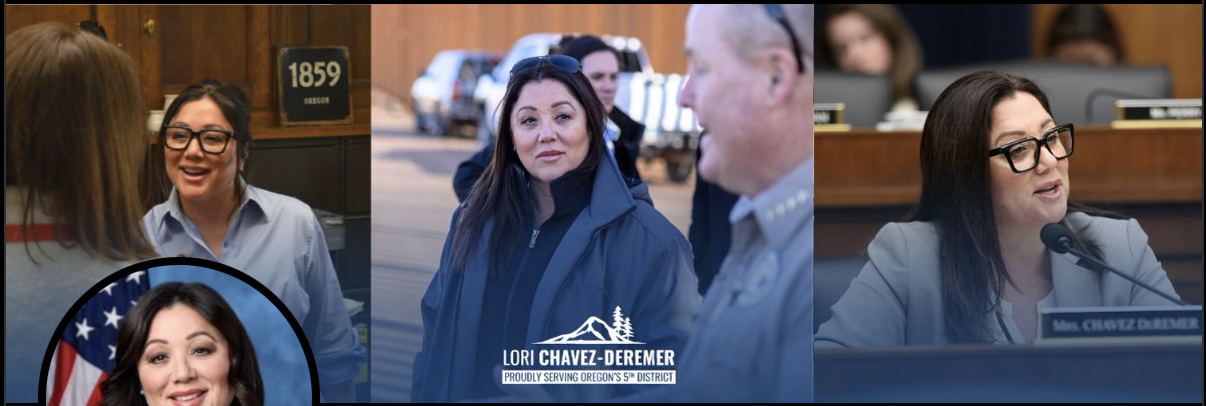
Lori Michelle Chávez-DeRemer (/ˈtʃɑːvɛzdəˈriːmər/; born April 7, 1968)[1] is an American politician serving as the U.S. Representative for Oregon’s 5th congressional district since 2023.[2] A member of the Republican Party, Chavez-DeRemer served as mayor of Happy Valley, Oregon, from 2011 to 2019. She is the first Republican woman to represent Oregon in the House. Additionally, she is one of the first two Hispanic women (alongside Andrea Salinas) elected to the United States Congressfrom Oregon. Chavez-DeRemer served one term in the House before being defeated in 2024 by Democrat Janelle Bynum. On November 22, 2024, President-elect Donald Trump nominated Chavez-DeRemer as his. Secretary of Labor.[3]

Scott Turner, Secretary of Housing & Urban Development
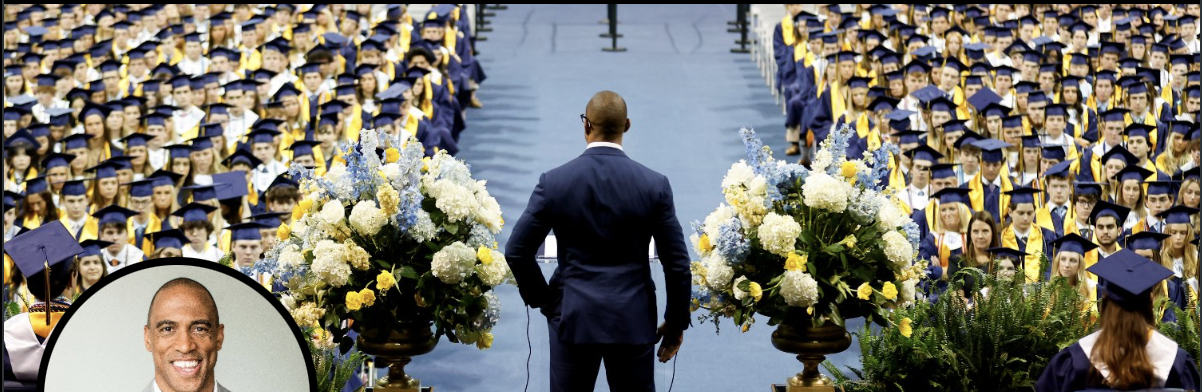
Eric Scott Turner (born February 26, 1972) is an American businessman, motivational speaker, politician, and former professional football player, who previously served as the executive director of the White HouseOpportunity and Revitalization Council.[1]Turner formerly served as a Texas state representative for the 33rd District, which includes part of Collin County and all of Rockwall County. Before entering politics, Turner was an American football cornerbackwho played in the National Football League(NFL) for nine seasons. In November 2024, Trump announced his intention to name Turner as the Secretary of Housing and Urban Development in his second administration.[2]

Robert F. Kennedy, Secretary of Health & Human Services
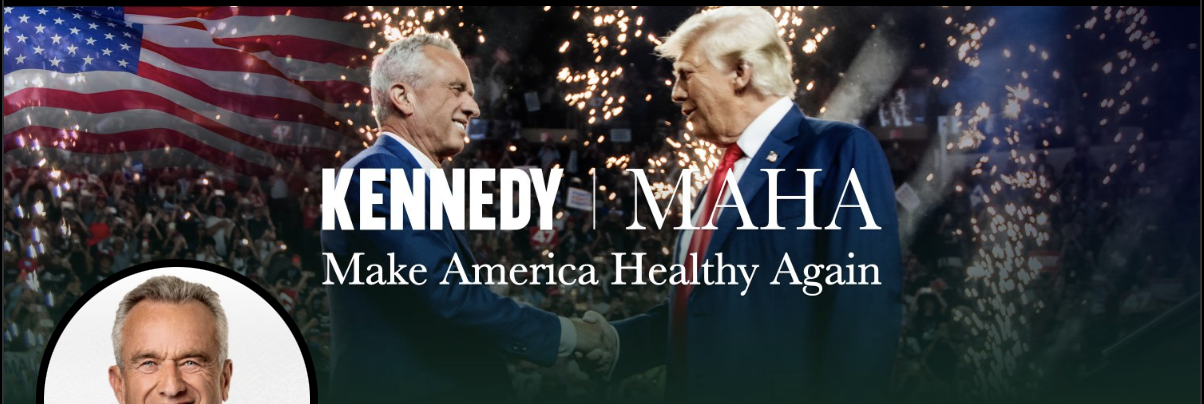
Robert Francis Kennedy Jr. (born January 17, 1954), also known by his initials RFK Jr., is an American politician, environmental lawyeranti-vaccine activist and conspiracy theorist whom President-elect Donald Trump has nominated to serve as United States secretary of health and human services.[1] Kennedy is the chairman and founder of Children’s Health Defense, an anti-vaccine advocacy group and proponent of COVID-19 vaccine misinformation.[2][3] He was on the ballot in some states as an independentcandidate in the 2024 United States presidential election.[4] A member of the Kennedy family, he is a son of United States Attorney General and senator Robert F. Kennedy, and a nephew of U.S. president John F. Kennedy and senator Ted Kennedy.

• Mission to Make America Healthy Again (MAHA)

Dr. Mehmet Oz, Administrator of the Centers for Medicare and Medicaid Services (CMS)
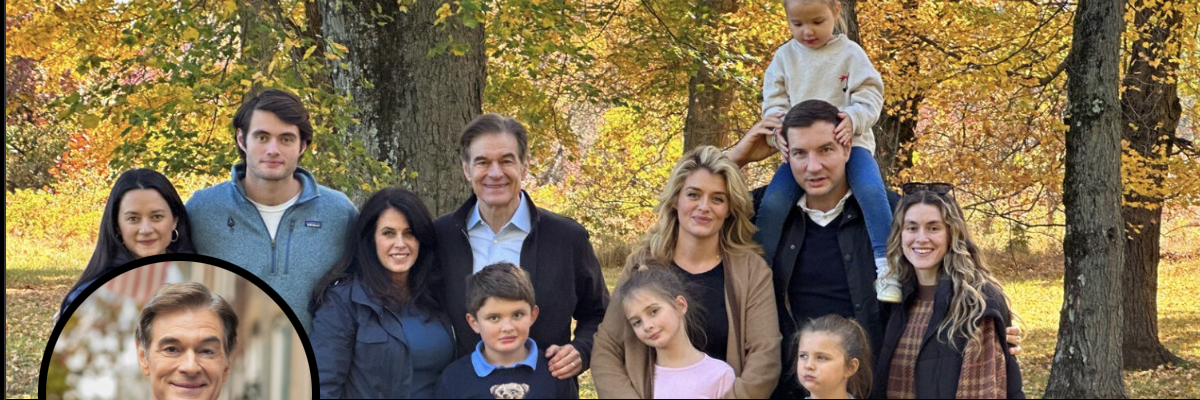
Mehmet Cengiz Öz[a] (/məˈmɛt ˈdʒɛŋɡɪz ɒz/meh-MET JENG-gihz oz; Turkish: [mehˈmetdʒeɲˈɟiz øz]; born June 11, 1960),[2] also known as Dr. Oz (/ɒz/), is a Turkish-American television personality, physician, author, professor emeritus of cardiothoracic surgery at Columbia University,[3] and former political candidate.[4]

Dr. Jay Bhattacharya, MD, Ph.D., Director of the National Institutes of Health (NIH)

Jayanta “Jay” Bhattacharya (born 1968) is an American professor of medicine, economics, and health research policy at Stanford University. He is the director of Stanford’s Center for Demography and Economics of Health and Aging. His research focuses on the economics of health care.[2][3][4] In 2021, Bhattacharya was opposed to lockdowns and mask mandates as a response to the COVID-19 pandemic.[5][6] With Martin Kulldorff and Sunetra Gupta, he was a co-author in 2020 of the Great Barrington Declaration, which advocated lifting COVID-19restrictions on lower-risk groups to develop herd immunity through widespread infection, while promoting the fringe notion that vulnerable people could be simultaneously protected from the virus.[7][8][9] The declaration was criticized as being unethical and infeasible by Tedros Adhanom Ghebreyesus, the director-general of the World Health Organization.[10]

• Co-Author of The Great Barrington Declaration

Dr. Dave Weldon, Director of the Centers for Disease Control (CDC)
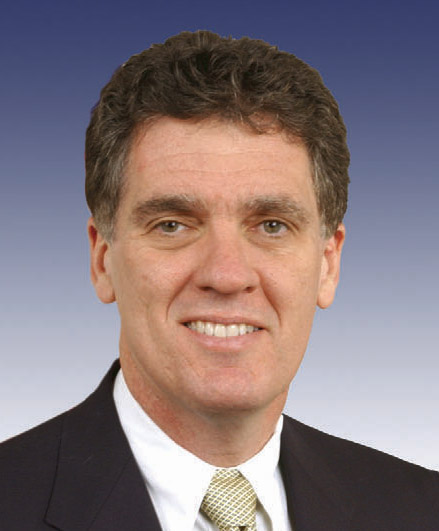
David Joseph Weldon (born August 31, 1953) is an American politician and physician. He was a Republican member of the United States House of Representatives, representing Florida’s 15th congressional district, and was an unsuccessful candidate for the Republican nomination in Florida’s 2012 U.S. Senate race. In November 2024, Donald Trump named Weldon as the director of the Centers for Disease Control and Prevention.[1]

• Mission to Restoring Truth & Transparency

Marty Makary MD, MPH, Commissioner of the Food & Drug Administration (FDA)

Martin Adel Makary (/məˈkæri/) is a British-American surgeon, professor, author, and medical commentator. He practices surgical oncology and gastrointestinal laparoscopic surgery at the Johns Hopkins Hospital, is Mark Ravitch Chair in Gastrointestinal Surgery at Johns Hopkins School of Medicine, and teaches public health policy as Professor of Surgery and Public Health at the Johns Hopkins Bloomberg School of Public Health.  Makary is an advocate for disruptive innovationin medicine and physician-led initiatives, such as The Surgical Checklist, which he developed at Johns Hopkins and which was later popularized in Atul Gawande’s best-selling book The Checklist Manifesto.[1] \

Makary was named one of the most influential people in healthcare by HealthLeader magazine in 2013.[2]In 2018, Makary was elected to the National Academy of Medicine.[3] During the COVID-19 pandemic, Makary was an early advocate for universal masking to control the pandemic and recommended vaccines for adults.[4] However, he was an outspoken opponent of broad COVID-19 vaccine mandates and, in late 2021 and early 2022, non-pharmaceutical interventions meant to reduce transmission in schools and universities.[5][6] In November 2024, President-Elect Donald Trump announced Makary would be his nominee to head the FDA as the commissioner of Food and Drugs.[7]

Mission to Examine the Causes of Chronic Illness
• “The greatest perpetrator of misinformation during the COVID pandemic has been the United States government … Public health officials were intellectually dishonest. They lied to the American people.” ~ Marty Makary, MD, MPH
Author of Blind Spots

Dr. Janette Nesheiwat, US Surgeon General
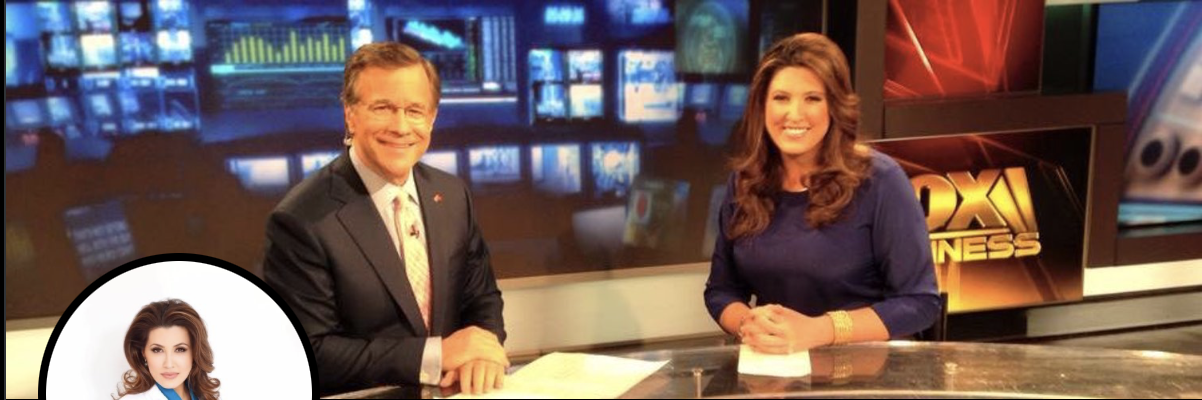
Janette Nesheiwat (born 25 August 1980) is an American physician who is the nominee for United States surgeon general.[2] Nesheiwat has served as an assistant medical director of CityMD[3] and is currently a medical contributor on Fox News.[4]

• Getting Flak for Her Previous Vaccine/COVID Positions. ~ Dr. Simone Gold
• Trump’s pick for Surgeon General, Janette Nesheiwat, praised Facebook for censoring anti-vaccine information & accounts like mine and RFK’s specifically, adding that she will “hope and pray” other social media companies do the same. Pick someone else. ~ Elizabeth Health Nut News

Doug Burgum, Secretary of the Interior
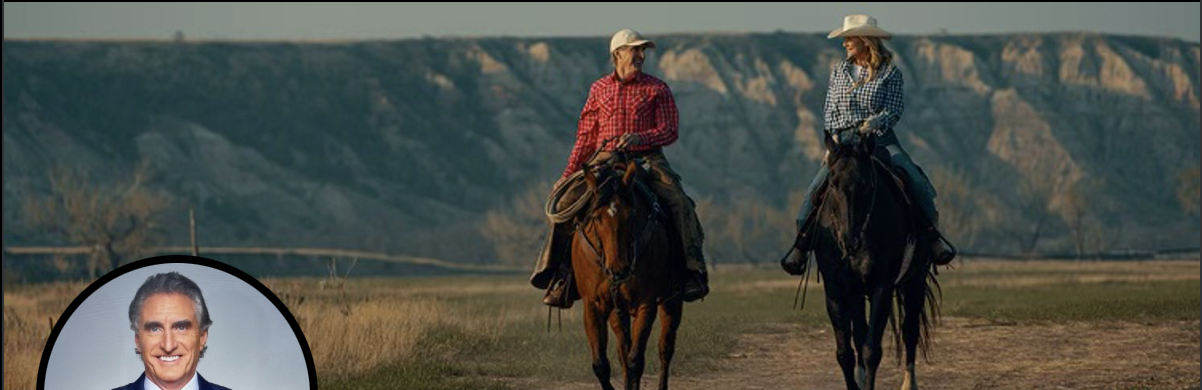
Douglas James Burgum (/bɜːrɡəm/ BUR-gəm;[1] born August 1, 1956) is an American businessman and politician serving since 2016 as the 33rd governor of North Dakota.[2][3] He is among the richest politicians in the United States and has an estimated net worth of at least $1.1 billion. He is a member of the Republican Party.[4] Burgum was born and raised in Arthur, North Dakota.

After graduating from North Dakota State University in 1978 with a bachelor’s degree in university studies and earning an MBA from Stanford University two years later,[5]he mortgaged inherited farmland in 1983 to invest in Great Plains Software in Fargo. Becoming its president in 1984, he took the company public in 1997. Burgum sold the company to Microsoft for $1.1 billion in 2001. While working at Microsoft, he managed Microsoft Business Solutions. He has served as board chairman for Australian software company Atlassian and SuccessFactors.

Burgum is the founder of Kilbourne Group, a Fargo-based real-estate development firm, and also is the co-founder of Arthur Ventures, a software venture capital group. Burgum won the 2016 North Dakota gubernatorial election in a landslide. He was reelected by a wide margin in 2020.[6] In June 2023, Burgum launched a campaign for the 2024 Republican presidential nomination. He ended his candidacy in early December 2023,[7]and became an advisor on the Trump campaign‘s energy policy.[8] On November 14, 2024, President-elect Trump announced his intention to nominate Burgum as the United States Secretary of the Interior.[9]

Kelly Loeffler, Secretary of Agriculture

Kelly Lynn Loeffler (/ˈlɛflər/ LEF-lər; born November 27, 1970) is an American businesswoman and politician who served as a United States senator from Georgia from 2020 to 2021. Loeffler was chief executive officer(CEO) of Bakkt, a subsidiary of commodity and financial service provider Intercontinental Exchange, of which her husband, Jeffrey Sprecher, is CEO. She is a former co-owner of the Atlanta Dream of the Women’s National Basketball Association (WNBA).[1] 

Loeffler is a member of the Republican Party. Brian Kemp, the Republican governor of Georgia, appointed Loeffler to the U.S. Senate in December 2019 after Senator Johnny Isakson resigned for health reasons. Loeffler ran in the 2020 Georgia U.S. Senate special election, seeking to hold the seat until January 2023. She finished second in the November 3 election, advancing to a runoff with DemocratRaphael Warnock held on January 5, 2021, where she lost.[2] That same day, her fellow Georgia senator David Perdue also lost his bid for re-election.

When Perdue’s term ended on January 3, 2021, Loeffler ascended to be the senior senator from Georgia, a position she held for just under three weeks until Warnock was sworn in. Loeffler aligned with President Donald Trump in her time in the Senate, touting a “100 percent Trump voting record” during her campaigns.[3][4] After the November 2020 election, Loeffler and Perdue claimed without evidence that there had been unspecified failures in the 2020 U.S. presidential election, and called for the resignation of Georgia secretary of state Brad Raffensperger, who rejected the accusations.

She later supported a lawsuit by Trump allies seeking to overturn the election results,[5] and also announced her intention to object to the certification of the Electoral College results in Congress.[6] After the attack on the U.S. Capitol on January 6, 2021, Loeffler announced that she would withdraw her objection to the certification of the electoral votes and later voted to certify. Loeffler was chosen by president-elect Trump to co-chair his inaugural committee in his upcoming second presidency, along with Steve Witkoff.

Brooke Rollins, Department of Agriculture (USDA)
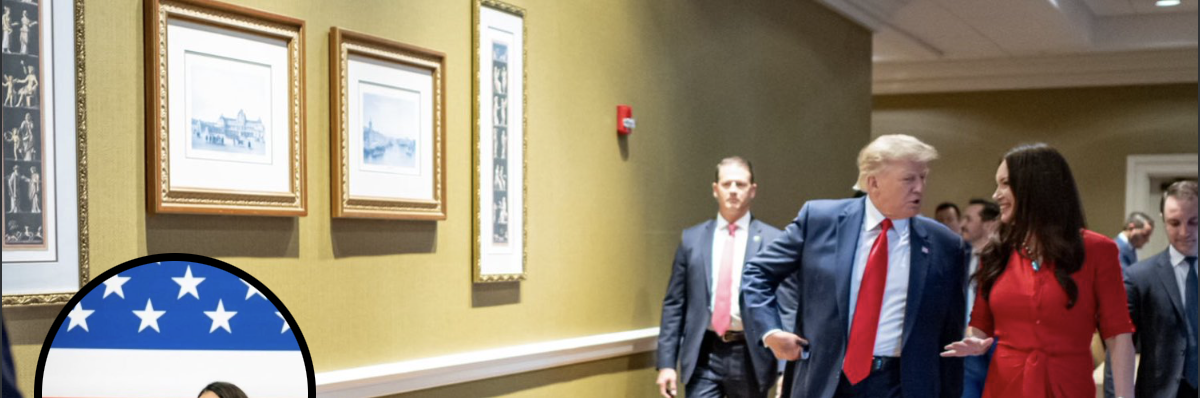
Brooke Leslie Rollins (born April 10, 1972)[1]is an American attorney who is the president and CEO of the America First Policy Institute. She previously served as the acting director of the United States Domestic Policy Councilunder President Donald Trump. Prior to assuming that role, Rollins oversaw the White House Office of American Innovation. Rollins was president and CEO of the Texas Public Policy Foundation, an Austin-based fossil fuels and school voucher supporting think tank, from 2003 through 2018.[2] During her tenure at TPPF, the think tank grew from having a staff of 3 to a staff of 100.[3] Rollins previously served as deputy general counsel, ethics advisor, and policy director to Texas Governor Rick Perry.[4] She is an advocate of criminal justice reform.[5] On November 23, 2024, President-elect Trump selected Rollins to be secretary of agriculture.[6]

Lee Zeldin, Administrator of the Environmental Protection Agency (EPA)

Lee Michael Zeldin (born January 30, 1980) is an American attorney, politician, and officer in the United States Army Reserve. A member of the Republican Party, he represented New York’s 1st congressional district in the United States House of Representatives from 2015 to 2023. He represented the eastern two-thirds of Suffolk County, including most of Smithtown, all of BrookhavenRiverheadSoutholdSouthamptonEast HamptonShelter Island, and a small part of Islip. From 2011 to 2014, Zeldin served as a member of the New York State Senate from the 3rd Senate district. During Donald Trump‘s presidency, Zeldin was a Trump ally.

He prominently defended Trump during his first impeachment hearingsconcerning the Trump–Ukraine scandal. In April 2021, Zeldin announced his candidacy for governor of New York in 2022.[1] He defeated three challengers in the Republican primary, becoming the nominee of the Republican Party and the Conservative Party. Zeldin lost the election to incumbent governor Kathy Hochulwhile receiving the highest percentage of the vote for a Republican gubernatorial nominee since 2002 and the highest raw vote total for a Republican gubernatorial nominee since 1970.[2] In November 2024, CNN reported that Zeldin was Trump’s nominee for Administrator of the Environmental Protection Agency.[3]

Chris Wright, Secretary of Energy (DOE)

Christopher Allen Wright[1] (born 1965) is an American businessman who is the CEO of Liberty Energy, North America’s second largest hydraulic fracturing company. He is the presumptive nominee for United States Secretary of Energy under Donald Trump‘s second presidency. He is a board member of Oklo Inc., a nuclear technology company, and EMX Royalty, a royalty payment company for mineral rights and mining rights.[2]

Sean Duffy, Secretary of Transportation
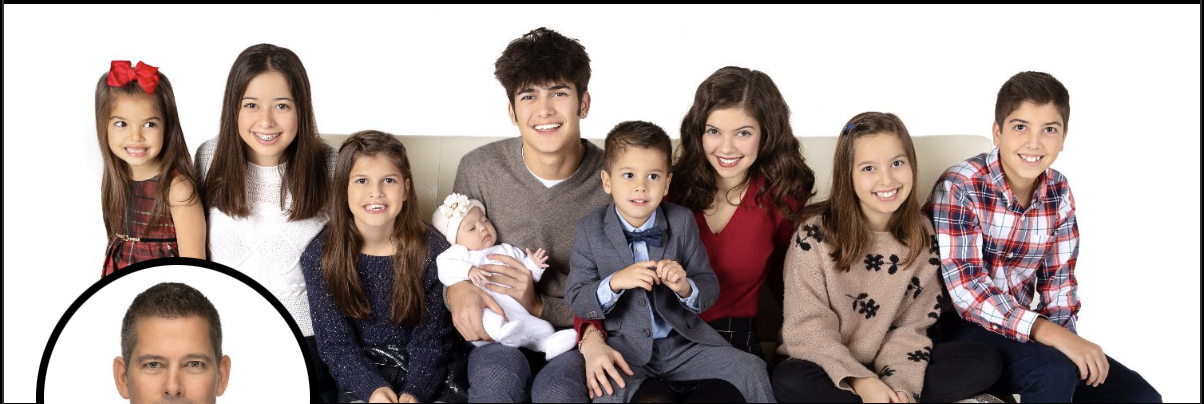
Sean Patrick Duffy (born October 3, 1971) is an American politician, prosecutor, lobbyist, and reality television personality who is currently a co-host of The Bottom Line on Fox Business, as well as a contributor on Fox News. A member of the Republican Party, he served as the U.S. representative for Wisconsin’s 7th congressional district from 2011 to 2019. After resigning from Congress, he became a lobbyist.[1] He first gained fame as a cast member on The Real World: Boston, 1998’s Road Rules: All Stars and 2002’s Real World/Road Rules Challenge: Battle of the Seasons, before going on to serve as district attorney of Ashland County, Wisconsin. In November 2024, Donald Trump named Duffy as his nominee for Secretary of Transportationin his second presidency.[2]

Linda McMahon, Secretary of Education
Linda Marie McMahon (/məkˈmæn/née Edwards; born October 4, 1948) is an American politician, business executive and retired professional wrestler. She was the 25th administrator of the Small Business Administration from 2017 to 2019. McMahon has been nominated to lead the Department of Education under the second Trump administration.

McMahon, along with her husband, Vince McMahon, founded sports entertainment company Titan Sports, Inc. (later World Wrestling Entertainment, Inc.) where she worked as the president and later CEO from 1980 to 2009. During this time, the company grew from a regional business in the northeast to a large multinational corporation. Among other things, she initiated the company’s civic programs, Get R.E.A.L. and SmackDown! Your Vote. She made occasional on-screen performances, most notably in a feud with her husband that culminated at WrestleMania X-Seven.

On April 15, she was named chairwoman of America First Action, a pro-Trump Super PAC. On November 19, 2024, McMahon was nominated by Donald Trump to serve as Secretary of Education.[2]

Vivek Ramaswamy, Department of Government Efficiency (DOGE)
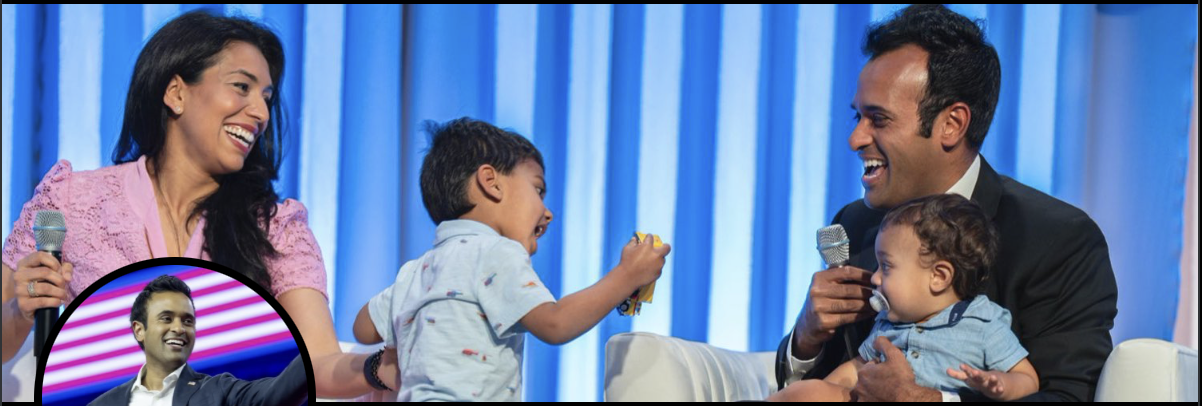
Vivek Ganapathy Ramaswamy (/vɪˈveɪkrɑːməˈswɑːmiː/;[1][2] vih-VAYK rah-mə-SWAH-mee; born August 9, 1985) is an American entrepreneur. He founded Roivant Sciences, a pharmaceutical company, in 2014. In February 2023, Ramaswamy declared his candidacy for the Republican Party nomination in the 2024 United States presidential election. He suspended his campaign in January 2024, after finishing fourth in the Iowa caucuses and endorsed Trump.[3] On November 12, 2024, President-elect Donald Trump announced that Ramaswamy and businessman Elon Musk had been tasked to lead the newly proposed Department of Government Efficiency.[4] Ramaswamy was born in Cincinnati to Indian immigrant parents. He graduated from Harvard University with a bachelor’s degree in biology and later earned a degree from Yale Law School. Ramaswamy worked as an investment partner at a hedge fund before founding Roivant Sciences. He also co-founded an investment firm, Strive Asset Management. Ramaswamy sees the United States in the middle of a national identity crisis precipitated by what he calls “new secular religions like COVID-ism, climate-ism, and gender ideology”.[5] He is also a critic of environmental, social, and corporate governance initiatives (ESG).[6]In January 2024, Forbes estimated Ramaswamy’s net worth at more than $960 million; his wealth comes from biotechand financial businesses.[7][8]

Mission to Dismantle the Regulatory State & Cut Wasteful Spending

Elon Musk, Department of Government Efficiency (DOGE)

Elon Reeve Musk FRS (/ˈiːlɒn/; born June 28, 1971) is a businessman known for his key roles in the space company SpaceX and the automotive company Tesla, Inc. His other involvements include ownership of X Corp., the company that operates the social media platform X (formerly Twitter), and his role in the founding of the Boring CompanyxAINeuralink, and OpenAI. In November 2024, United States president-elect Donald Trumpappointed Musk as the co-chair of the proposed Department of Government Efficiency (DOGE) in the second Trump administration. Musk is the wealthiest individual in the world; as of November 2024, Forbes estimates his net worth to be US$304 billion.[2]

Musk was born in Pretoria, South Africa, and briefly attended the University of Pretoria before immigrating to Canada at the age of 18, acquiring citizenship through his Canadian-born mother. Two years later, he matriculated at Queen’s University at Kingston in Canada. Musk later transferred to the University of Pennsylvania and received bachelor’s degreesin economics and physics. He moved to California in 1995 to attend Stanford University, but never enrolled in classes, and with his brother Kimbal co-founded the online city guidesoftware company Zip2. The startup was acquired by Compaq for $307 million in 1999. That same year, Musk co-founded X.com, a direct bank. X.com merged with Confinity in 2000 to form PayPal. In 2002, Musk acquired US citizenship, and that October eBay acquired PayPal for $1.5 billion. Using $100 million of the money he made from the sale of PayPal, Musk founded SpaceX, a spaceflight services company, in 2002. 

In 2004, Musk was an early investor in electric-vehicle manufacturer Tesla Motors, Inc. (later Tesla, Inc.), providing most of the initial financing and assuming the position of the company’s chairman. He later became the product architect and, in 2008, the CEO. In 2006, Musk helped create SolarCity, a solar energy company that was acquired by Tesla in 2016 and became Tesla Energy. In 2013, he proposed a hyperloop high-speed vactrain transportation system. In 2015, he co-founded OpenAI, a nonprofit artificial intelligenceresearch company. The following year Musk co-founded Neuralink, a neurotechnology company developing brain–computer interfaces, and The Boring Company, a tunnel construction company.

In early 2024, Musk became active in American politics as a vocal and financial supporter of Donald Trump, becoming Trump’s second-largest individual donor in October 2024. In November 2024, Trump announced that he had chosen Musk along with Vivek Ramaswamyto co-lead the Department of Government Efficiency (DOGE), a new advisory board which aims to improve government efficiency through measures such as slashing “excess regulations” and cutting “wasteful expenditures”.

Mission to Dismantle the Regulatory State & Cut Wasteful Spending

AMERICA FIRST AGENDA BY EXECUTIVE ORDER

  • Restore Border Security & Immigration Including Mass Deportation of Illegal Aliens
  • Declare War on Drug Cartels (Including Big Pharma & Global Actors)
  • Declare War on Child Trafficking & Establish Death Penalty for Convicted Human Traffickers
  • Halt Federal Funds for Any State or Local Government Defying Federal Immigration Law (End Sanctuary Cities)
  • Halt Federal Funds for Inappropriate Curricula Including Critical Race Theory, DEI, Transgender & Anti-American Political Content Taught in Schools
  • End Mutilation of Youth Through Gender Transitions; Cease Funding Any Sex & Gender Transition
  • Halt Federal Funding for Any Abortion Procedure or Organ Harvesting of New-Born Infants
  • Private Right of Action for Victims to Sue Doctors; Civil Rights Violations; Cease Funding to School Districts
  • End Electric Vehicle Mandates; Making Them Voluntary Not Mandatory
  • Restore Fundamental Protection of Free Speech & All Constitutional Rights; Prohibit Any Future Collusion Between Government & Private Sector to Deprive Citizens of Rights
  • Dismantle Needless Bureaucracy & Regulations
  • Dismantle or Overhaul All Weaponized Government Agencies Via Schedule F (Firing Incompetent or Corrupt Staff By Executive Order)
  • Clean Out All Corrupt Actors in National Security, Defense & Intelligence Apparatus

ESTABLISHING NEW GOVERNMENT PROGRAMS & LEGISLATION

  • Founding Department of Government Efficiency (DOGE)with Mission to Dismantle the Regulatory State & Cut Wasteful Spending)
  • Restore Economic Prosperity for All
  • Restore Energy Independence By All Means Necessary Including Fracking, Drilling & Green Energy
  • Restore Tax Incentives for Small Businesses
  • Cap Credit Card Rates at 10%
  • Founding The American Academy (Full Spectrum of Human Knowledge for Free Online; Bachelor’s Degree Available)
  • Department of Education Appoints New Accreditors for All Colleges/Universities to Qualify for Federal Funding (Restore Meritocracy in Our Educational Institutions)
  • Eliminate the Federal Income Tax & Replace with Tariffs On Imports
  • Allow IRS Deduction Up to $10k Towards Homeschooling Per Child
  • Become #1 Energy Producer in the World & Restore Energy Independence
  • Repeal of the 1986 Vaccine Injury Act
  • Restore FAIR Act for Equal Time in Broadcasting
  • Revoke Licenses & Funding for Propaganda Media (Including NPR)
  • Reintroduce 28th Amendment with Required That All Laws Applied Equally to Citizens & Congress
  • Propose ? Amendment for Term-Limits on Elected Officials in Congress
  • Restore Net Neutrality To Equalize the Internet Playing Field Once Again
  • Restore Restricted Regulations for GMO’s in Food & Medicine: https://www.centerforfoodsafety.org/press-releases/6417/conservationists-and-farmers-sue-over-trump-administration-removal-of-most-genetically-engineered-organism-regulation
  • Restore Accountability in the Judicial System & Fire Judicial Activists Who Violate Their Oath of Allegiance to the U.S. Constitution & Bill of Rights
  • Review US Supreme Court’s Citizens United Ruling Which Removed Limits to Corporate Funding/Lobbyists Thereby Corrupting Election Officials

Sources: X.com & Wikipedia
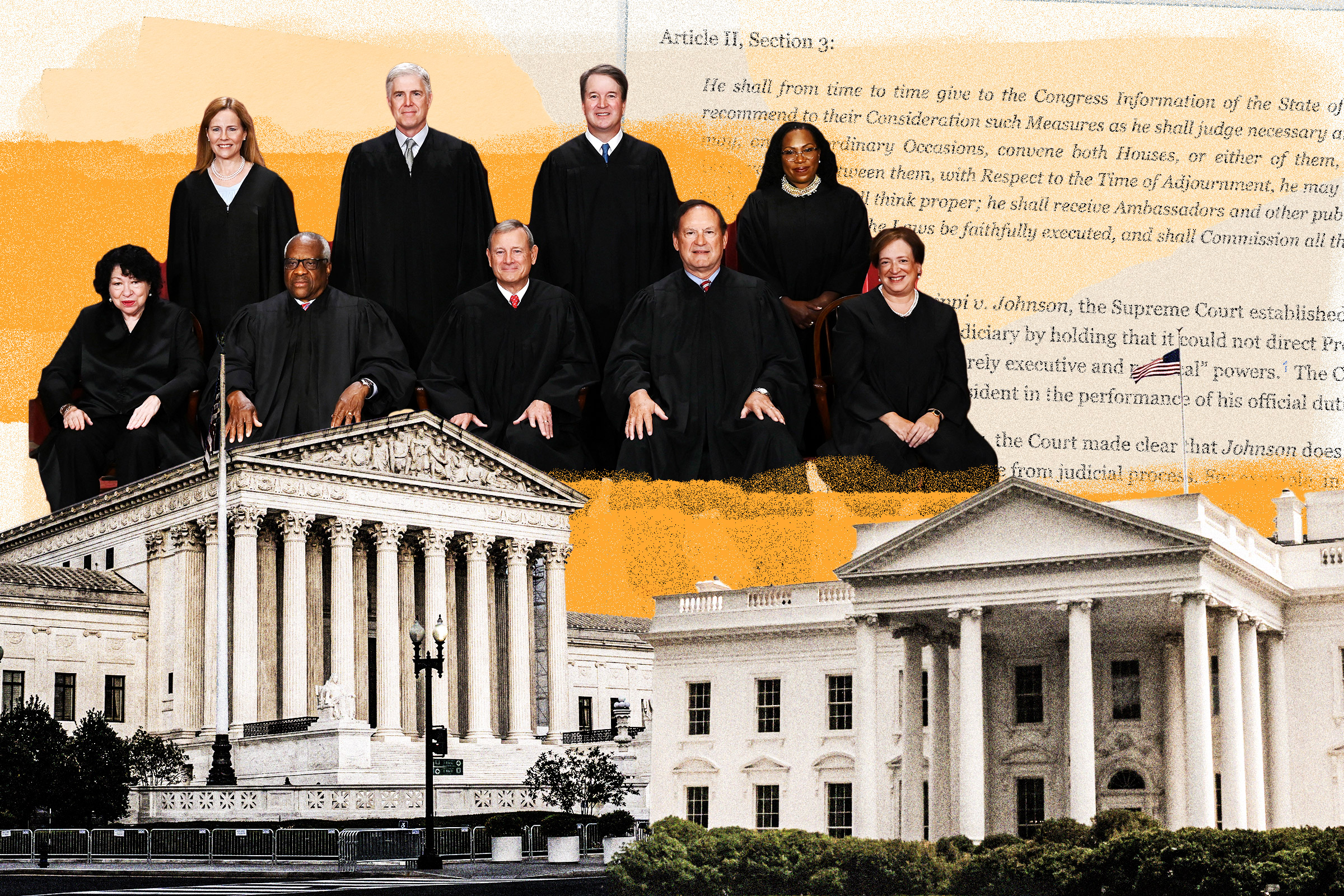
How the Supreme Court Decision on Presidential Immunity Could Impact Trump Cases | The Epoch Times

On July 1, the Supreme Court ruled that presidents and former presidents enjoy “absolute immunity” from criminal prosecution for “conduct within his exclusive sphere of constitutional authority,” setting guidelines for which acts in former President Donald Trump’s federal election case can remain in the indictment but leaving large amounts of litigation for the district court.

The case, which has been on hold since December 2023, is unlikely to proceed to trial before the November election but may soon see a flurry of legal activity.

Chief Justice John Roberts wrote the majority opinion, with Justice Clarence Thomas adding his own concurring opinion. Justice Amy Coney Barret concurred in part, noting several lines of legal disagreement with the majority. Justice Sonia Sotomayor wrote the dissenting opinion, joined by Justices Elena Kagan and Ketanji Brown Jackson, who also penned a separate dissent.

Trump Case Will Continue

The Supreme Court has given the case back to the U.S. District Court of the District of Columbia, where Judge Tanya Chutkan will have to determine whether several of President Trump’s actions in the indictment were, essentially, official or unofficial.

“Despite the unprecedented nature of this case, and the very significant constitutional questions that it raises, the lower courts rendered their decisions on a highly expedited basis,” the opinion reads.

Both the district and circuit courts completely rejected assertions of presidential immunity, so there has been no briefing on whether actions in the indictment were official or unofficial.

“That categorization raises multiple unprecedented and momentous questions,” the opinion reads.

When Judge Chutkan rejected the motion to dismiss based on presidential immunity last year, the appeals court fast-tracked the appeal, rejected the motion, and also fast-tracked the appeal process to the Supreme Court.

All case proceedings were paused in the meantime, and Judge Chutkan had taken the case—originally scheduled for March 4—off her calendar. At the time, the judge still had a number of motions to rule on, including a major ruling on what evidence and arguments could be used at trial.

Now Judge Chutkan will have to sort out what actions must be removed from the indictment before the case can continue. This may not necessarily be a quick process; as court filings by both parties have shown, the defense and prosecution have clashing theories as to whether certain acts were official or unofficial.

Prosecutors have acknowledged that some of the acts in the indictment were indeed the official acts of a president, and it has largely been expected that special counsel Jack Smith may trim down the indictment so as to proceed with the case with minimal holdup.

Supreme Court Sets Some Guidelines

The special counsel has charged former President Trump with four counts of conspiracy and obstruction for his actions to challenge the 2020 election results.

Crucially, the Supreme Court decision does not throw out any of these charges.

However, several actions involved in some of the charges may need to be tossed. The majority opinion finds that presidents have absolute immunity for core constitutional powers and presumptive immunity for other official acts. This immunity does “not extend to conduct in areas where his authority is shared with Congress,” and unofficial acts taken while in office receive no immunity at all.

image-5678409

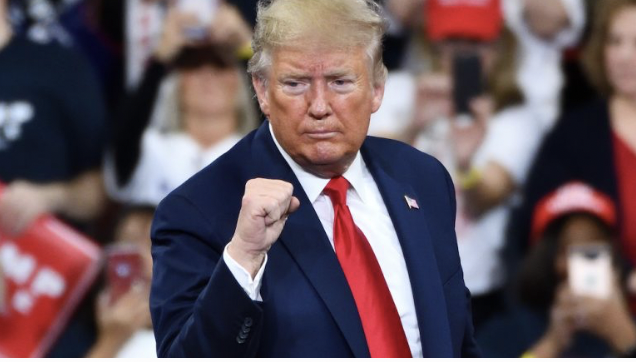
President Donald Trump, Attorney General William Barr, and state attorneys general discuss protections from social media abuses at the White House on Sept. 23, 2020. (Mandel Ngan/AFP via Getty Images)

The court ruled that President Trump’s conversations with the acting attorney general were core conduct subject to absolute immunity.

It also ruled that his conversations with the vice president about the counting of the votes were part of his official duties, thus subject to presumptive, but not absolute, immunity—finding that Judge Chutkan should now assess whether prosecution of these actions intrudes on the authority and functions of the executive branch, and prosecutors will have to rebut the presumption of immunity if so.

The court then found that President Trump’s conversations with state officials and other parties require more fact finding as to whether the actions were official or not—another task for the district court.

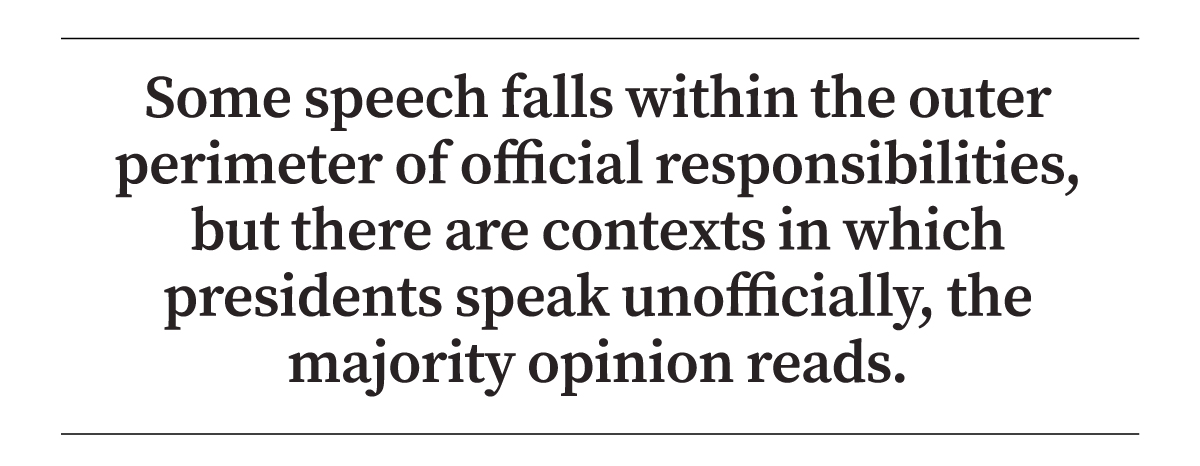
It offered similar guidance regarding President Trump’s speech on and leading up to Jan. 6, 2021. Some speech falls within the outer perimeter of official responsibilities, but there are contexts in which presidents speak unofficially, the majority opinion reads.

The Supreme Court also ruled that courts “may not inquire into the President’s motives” while considering whether an action was official or unofficial, as this “highly intrusive” line of inquiry could expose official conduct to judicial examination, a violation of the separation of powers.

The court remanded the case for the district court to “carefully analyze” whether the indictment’s remaining allegations are free from official acts and ruled that testimony or private records probing the president’s or his advisers’ official conduct may not be used as evidence at trial.

Court Tosses Impeachment Theory

Although the Supreme Court ruling could be read as a win for the former president (he posted on social media shortly after the decision, “BIG WIN FOR OUR CONSTITUTION AND DEMOCRACY”), the court rejected his attorneys’ legal theory.

Former President Trump’s attorneys had argued that presidents must be impeached before they are subject to prosecution on those same actions and that former President Trump’s acquittal in the Senate thus precluded prosecution, warranting dismissal of the indictment.

The high court majority had instead relied on views of the framers of the Constitution regarding the separation of powers to reach their opinion and dismissed the impeachment argument as one with little constitutional support.

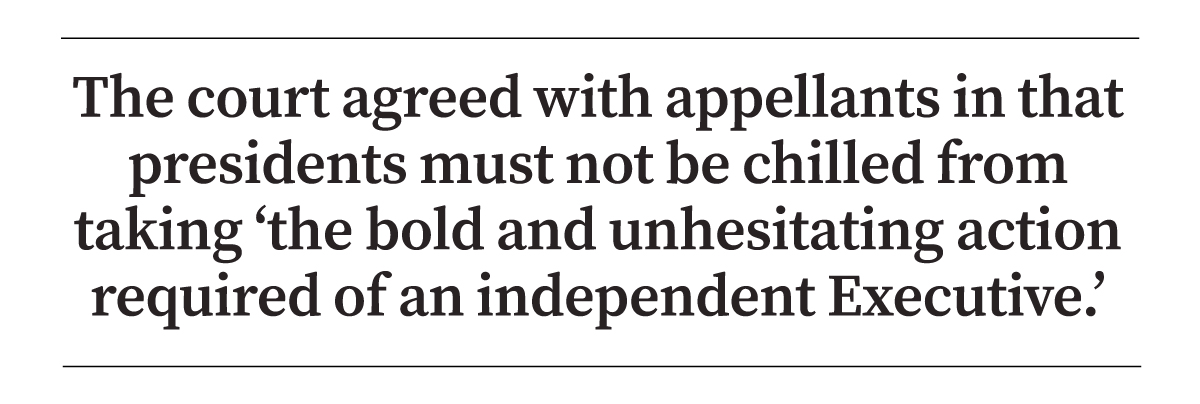
However, the court agreed with the Trump attorneys in that “the ‘bold and unhesitating action’ required of an independent Executive” must not be chilled.

Majority Emphasize Need for Strong Executive

Chief Justice Roberts, writing for the majority, emphasized that the Framers of the Constitution had the vision of a strong executive. Unlike the other two branches, the president is “the only person who alone composes a branch of government,” he wrote, citing his previous opinion from an unrelated Trump case.

The court—and the Framers—have held an “energetic executive” to be crucial to national security, good government, and the safeguarding of liberty.

Prosecutors and dissenting judges had argued that the criminal justice system inherently includes safeguards that would prevent the wrongful prosecution of a president or chilling effects that may stem from this possibility.

The majority held that this was not protection enough, as the mere prospect of prosecution may “distort Presidential decisionmaking” and cause “undue caution,” effectively undermining the independence of the executive branch.

“The hesitation to execute the duties of his office fearlessly and fairly that might result when a President is making decisions under ‘a pall of potential prosecution’ … raises unique risks to the effective functioning of government,” the opinion reads.

image-5678433

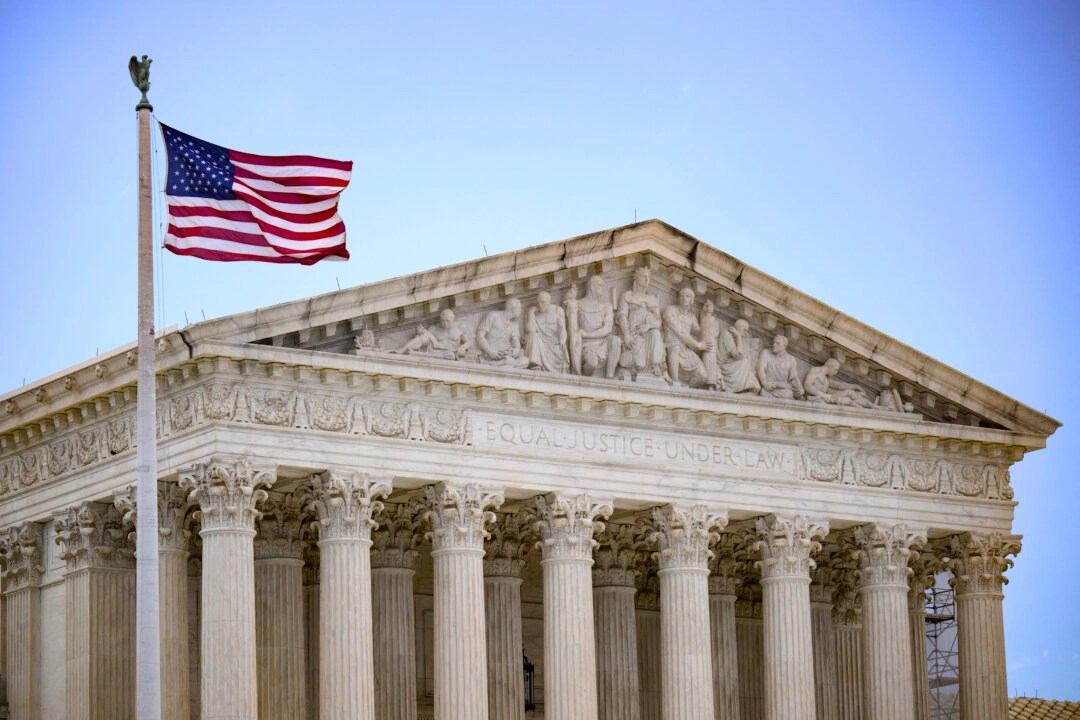
Demonstrators and protesters gather with members of the news media in front of the Supreme Court to wait for it to announce its last decisions for this session in Washington on July 1, 2024. (Chip Somodevilla/Getty Images)

4 Justices Say Official Acts Can Sometimes Be Unconstitutional

All nine justices recognized immunity for a president’s exercising of “core constitutional powers,” but four found the majority’s test to be far too broad.

Experts Weigh In on Trump’s Options for Appeal After Conviction

Biden, Trump Test Executive Privilege With Claims

Justice Barrett, in her partly concurring opinion, and Justices Sotomayor, Kagan, and Jackson, in a dissenting opinion, wrote that there may be cases in which official acts are unconstitutional or criminal and should be subject to prosecution.

Justice Barrett wrote in favor of a narrower test for immunity, with a two-step process to determine the validity of criminal charges for official acts. The first is determining whether the criminal statute applies to the president, and the second step is to determine if that prosecution imposes any danger of intruding on the powers of the executive branch.

Justice Sotomayor wrote that the court’s ruling gave the appellant even more immunity than he asked for, finding no support for immunity from criminal prosecution outlined in the Constitution.

The dissenting opinion, joined by two other justices, takes a reproving view of President Trump’s actions on Jan. 6, 2021, and, as outlined in the indictment, also the majority opinion.

Justice Sotomayor wrote that the challenge of exercising core constitutional powers, such as the president’s veto power, was never challenged in the indictment. As the majority defines “core immunity,” “all sorts of noncore conduct” could be shielded from criminal prosecution, she wrote, including “nightmare scenarios” such as ordering the military to carry out an assassination of a political rival, organizing a military coup, or taking a bribe in exchange for a pardon.

Similar scenarios were discussed during oral arguments, and Justice Samuel Alito expressed skepticism, cautioning judges not to slander the military in presenting these hypotheticals.

image-5678410

Voters cast ballots in Georgia’s primary election at a polling location in Atlanta on May 21, 2024. The Supreme Court decision may affect former President Trump’s case in Georgia, as some of the acts listed in the indictment overlap with the federal case. (Elijah Nouvelage/Getty Images)

Case May Return to Supreme Court

This case may yet end up in the Supreme Court on another appeal.

Trump attorneys can be expected to challenge unfavorable district court rulings on whether certain acts were official or unofficial, and Judge Chutkan still has several pending motions to rule on—including other motions to dismiss the indictment.

An additional complication that could arise for prosecutors is the fact that Mr. Smith is prosecuting a second case against former President Trump in the Southern District of Florida, where a federal judge is set to rule on whether Mr. Smith was constitutionally appointed. Should the judge determine that he wasn’t and that the special counsel has no authority to prosecute, an appeal could end up before the Supreme Court, affecting both cases.

Ruling May Affect Georgia Election Case

Former President Trump was indicted in a similar case in Georgia. In the state case, he and 18 others were charged with racketeering for their actions in challenging the 2020 election results, and some of the acts listed in the indictment overlap with the federal case.

While the federal case charges no alleged co-conspirators, the state case also charges former Justice Department official Jeffrey Clark for actions that he has argued were part of his official duties.

That case is currently on hold, as the Georgia Court of Appeals has agreed to review the trial court’s decision to not disqualify the Fulton County District Attorney Fani Willis from prosecuting the case over alleged misconduct.

Should the appeals court rule quickly after it hears oral arguments in October and then decide not to disqualify the district attorney, prosecutors will still need to revisit the indictment to remove any official acts before proceeding with the case.

Source: The Epoch Times

Trump Moves To Overturn New York Conviction, Postpone Sentencing After Immunity Decision | Trending Politics

Former President Donald Trump is filing a motion to throw out his recent Manhattan conviction on 34 felony counts of “falsifying business records” and have his July 11 sentencing postponed after the U.S. Supreme Court ruled that U.S. presidents have immunity for official acts undertaken while serving in the White House.

According to a report from the New York Times, Trump’s lawyers have sought permission from Judge Juan Merchan, who is overseeing the case, to file a motion to set aside the conviction. The letter was sent just hours after the Supreme Court issued its highly anticipated ruling on presidential immunity, which will have major ramifications on the ongoing federal cases against the former president.

The letter will not be made public until Tuesday at the earlier, at which point prosecutors will have a chance to respond, a source familiar with the proceedings told the New York Times.

Trump’s legal team hopes to move forward with the motion just ten days before Trump is set to be sentenced in the case that has been plagued by political bias. Trump is asking Judge Merchan — a Biden donor whose daughter has raised millions of dollarsfor Democrat causes and candidates — to postpone the July 11 sentencing while Merchan determines whether the ruling affects the conviction.

It is unclear whether the motion will be granted, as the conduct covered in the Manhattan case took place before Trump was elected as president.

While it is unclear how Merchan will rule, the effort already appears to have caused a delay in the proceedings. Manhattan District Attorney Alvin Bragg’s office was expected to send a sentencing recommendation to the judge and likely recommend a prison term for the former president, though this did not occur.

If Merchan does not entertain the motion, it is possible that Trump’s legal team will revisit the matter when they attempt to appeal the conviction after sentencing, which is set to take place just days before the Republican National Convention.

Source: Trending Politics

Supreme Court Rules Trump Has Some Immunity in Federal Election Case | The Epoch Times

The Supreme Court ruled 6–3 that presidents enjoy immunity from criminal prosecution for official, but not unofficial, acts—in a decision that’s expected to delay former President Donald Trump’s trial in the federal election case in Washington.

The Supreme Court held that: “Under our constitutional structure of separated powers, the nature of Presidential power entitles a former President to absolute immunity from criminal prosecution for actions within his conclusive and preclusive constitutional authority. And he is entitled to at least presumptive immunity from prosecution for all his official acts. There is no immunity for unofficial acts.”

The July 1 decision remands the case to the district court for further consideration.

Chief Justice John Roberts penned the majority opinion, which was joined in full by Justices Clarence Thomas, Samuel Alito, Neil Gorsuch, and Brett Kavanaugh. Justice Amy Coney Barrett joined part of the opinion while issuing a concurrence of her own.

Justice Sonia Sotomayor penned a dissent, which was joined by Justices Ketanji Brown Jackson and Elena Kagan. Justice Jackson also issued a dissent.

Former President Trump responded to the decision on TruthSocial: “BIG WIN FOR OUR CONSTITUTION AND DEMOCRACY. PROUD TO BE AN AMERICAN!”

The ruling is a partial win for former President Trump, who asked for a broader form of immunity than the justices ultimately granted. Former President Trump had asked the court to rule that he enjoyed immunity from criminal prosecution for his official acts unless Congress had impeached and convicted him for those acts.

D.C. District Judge Tanya Chutkan had rejected the idea that presidents enjoyed immunity from criminal prosecution as did the U.S. Court of Appeals for the D.C. Circuit.

During oral argument in April, the conservative justices seemed poised to remand the case back to the district court in Washington with instructions on what constitutes official and private acts for further fact-finding proceedings.

“We’re writing a rule for the ages,” Justice Neil Gorsuch said during oral argument. He and Justice Ketanji Brown Jackson both made clear they were concerned about cases beyond former President Trump’s, which has forced the court to grapple with what constitutes a president’s official conduct.

Attorney D. John Sauer argued for former President Trump, and former Deputy Solicitor General Michael Dreeben argued for special counsel Jack Smith.

The most recent time the Supreme Court issued a major ruling on presidential immunity was in 1982, in Nixon v. Fitzgerald. The court ruled that presidents enjoyed absolute immunity from civil liability for actions that fell within the outer perimeter of their official duties.

What’s Next

The Supreme Court remanded the case, sending it back to the D.C. district court with the directive “to assess in the first instance whether a prosecution involving Trump’s alleged attempts to influence the Vice President’s oversight of the certification proceeding would pose any dangers of intrusion on the authority and functions of the Executive Branch.”

Another aspect of the decision directed the district court to weigh whether various aspects of Mr. Smith’s indictment constituted official or unofficial acts. That included allegations that former President Trump attempted to sway state officials, use fraudulent slates of electors, and his communications on Jan. 6, 2021.

The court’s syllabus, or overview of the ruling, noted: “The President possesses ‘extraordinary power to speak to his fellow citizens and on their behalf,’” quoting another opinion in Trump v. Hawaii.

“So most of a President’s public communications are likely to fall comfortably within the outer perimeter of his official responsibilities,” it added.

It’s unclear how much of Mr. Smith’s indictment will remain after lower court proceedings are completed.

“On remand, the District Court must carefully analyze the indictment’s remaining allegations to determine whether they too involve conduct for which a President must be immune from prosecution,” the Supreme Court said.

“And the parties and the District Court must ensure that sufficient allegations support the indictment’s charges without such conduct. Testimony or private records of the President or his advisers probing such conduct may not be admitted as evidence at trial.”

The decision came just days after the Supreme Court’s ruling in Fischer v. United States, which vacated the D.C. Circuit’s interpretation of a statute—18 U.S. Code Section 1512(c)—the Justice Department used to pursue Jan. 6 defendants and President Trump. In a footnote, Justice Roberts said that “[i]f necessary, the District Court should determine in the first instance whether the Section 1512(c)(2) charges may proceed in light of our decision in Fischer.

Opinions

The justices provided multiple concurrences and dissents. Justice Clarence Thomas wrote separately to question the legality of special counsels.

He said the attorney general “purported to appoint a private citizen as a Special Counsel … But, I am not sure that any office for the Special Counsel has been ‘established by Law,’ as the Constitution requires.”

Justice Barrett joined most of the majority opinion except for a portion wherein it criticizes the idea that a jury could consider evidence concerning a president’s official acts.

“That proposal threatens to eviscerate the immunity we have recognized,” the majority wrote. “It would permit a prosecutor to do indirectly what he cannot do directly—invite the jury to examine acts for which a President is immune from prosecution to nonetheless prove his liability on any charge.”

Justice Barrett, meanwhile, argued that “the Constitution does not require blinding juries to the circumstances surrounding conduct for which Presidents can be held liable.”

Justice Sotomayor’s dissent argued the majority “makes a mockery of the principle, foundational to our Constitution and system of Government, that no man is above the law.”

She went on to describe Mr. Smith’s indictment as painting “a stark portrait of a President desperate to stay in power.”

Justice Roberts pushed back in his majority opinion by arguing that the dissents “strike a tone of chilling doom that is wholly disproportionate to what the Court actually does today.”

Source: The Epoch Times

30th Anniversary Edition ~ Sovereign’s Handbook by Johnny Liberty Now Available! | Liberty International

If you have ever heard talk or been to a seminar about “sovereignty”, then very likely those conversations were influenced by the foundational research of the author and educator.

His research and educational journey reaching millions of people worldwide began in 1992 and culminated in 2022 with the 3-Volume book release – his final word on the subject.

At the turn of the millennium his books and audio courses facilitated in part –  a sovereignty and tax-honesty movement that involved millions of Americans.

This 3 Volume series comprises the life’s work of Johnny Liberty filled with comprehensive insights into the last few hundred years of history, law, economics, money, citizenship and governance. 

These books show how it is supposed to be done in a constitutional Republic. 

How did We the People get to where we are today? 

What can we do to reclaim our inherent sovereignty and natural rights? 

Many of the answers may be found within these revolutionary pages. Available as a paperback, E-Book (PDF) or an Amazon Kindle format. Thank you for supporting the author. 

Sincerely, 

With Freedom For All, 
~ Johnny Liberty

Sovereign’s Handbook by Johnny Liberty (30th Anniversary Edition)

  • A three-volume, 750 page tome with an extensive update of the renowned underground classic ~ the Global Sovereign’s Handbook.
  • Still after all these years, it is the most comprehensive book on sovereignty, economics, law, power structures and history ever written.
  • Served as the primary research behind the best-selling Global One Audio Course.
  • ORDER NOW!
  • $99.99 ~ THREE VOLUME PRINT SERIES
  • $33.33 ~ THREE VOLUME E-BOOK

The 3 Volume Sovereign’s Handbook by Johnny Liberty is textbook material for everyone including educators/teachers, homeschoolers, historians, activists, leaders/politicians, attorneys/judges/law schools, police officers, and state Citizens/Nationals. 

Order Additional Books, Audios & Videos from The Freedom Catalog: LibertyInternationalBooks.com 
Sovereign’s Handbook (Website): http://SovereignsHandbook.com 
Dawning of the Corona Age (Website): DawningoftheCoronaAge.com 
Liberty International News: http://LibertyInternational.news 

ORDER YOUR LIBERTY BOOKS TODAY!

Sovereign’s Handbook by Johnny Liberty 
(30th Anniversary Edition)
(3-Volume Printed, Bound Book or PDF)

A three-volume, 750+ page tome with an extensive update of the renowned underground classic ~ the Global Sovereign’s Handbook. Still after all these years, this is the most comprehensive book on sovereignty, economics, law, power structures and history ever written. Served as the primary research behind the best-selling Global One Audio Course. Available Now!

$99.95 ~ THREE-VOLUME PRINT SERIES
$33.33 ~ THREE-VOLUME EBOOK

Dawning of the Corona Age: Navigating the Pandemic by Johnny Freedom 
(3rd Edition)
(Printed, Bound Book or PDF)

This comprehensive book, goes far beyond the immediate impact of the “pandemic”, but, along with the reader, imagines how our human world may be altered, both positively and negatively, long into an uncertain future. Available Now!

$25.00 ~ PRINT BOOK
$10.00 ~ EBOOK

How SCOTUS Rained On The Left’s Anti-Religious Legal Parade And Reclaimed The First Amendment | The Federalist

By Rachel Chiu

The Supreme Court’s latest momentous term delivered major victories for religious freedom. 

The ability to freely exercise one’s religious beliefs is one of the most essential rights enshrined in the U.S. Constitution by our Founding Fathers. It distinguishes America as a free nation. Yet many governmental institutions — from schools to cities and states — have curtailed this constitutionally-protected right by misrepresenting the First Amendment. 

The rulings in three cases this term, Carson v. MakinKennedy v. Bremerton School District, and Shurtleff v. Boston, corrected decades of misinterpretation and applied the First Amendment as originally intended. Predictably, some progressive legal scholars referred to the rulings as “hypocrisy” and “regressive decision-making” spurred by the “religious right.” But such hyperbolic characterizations minimize the problems that pervaded religious liberty jurisprudence. The decisions in these cases are indeed consequential, but only as a remedy proportionate to the issues they resolved. 

The First Amendment states, “Congress shall make no law respecting an establishment of religion or prohibiting the free exercise thereof.” Otherwise known as the Free Exercise and Establishment Clauses, these words were meant to protect the expression of faith but have, ironically, been used as a basis for religious discrimination.

This paradox was clearly evident in Carson v. Makin. In this case, the justices evaluated Maine’s Town Tuitioning Program, which provided state aid to students living in towns without public schools. The program supported education at secular schools only; faith-based institutions and their students were prohibited from receiving funding. This unmistakably biased policy adversely affected specific groups of students and needlessly deprived them of a values-aligned education. While the state attempted to distinguish between discrimination based on religious status and identity, both prevent students from freely exercising their faith. Discriminating against schools with religious instruction is simply discrimination against religion. 

It was not surprising that the justices agreed with this view since they reached a similar judgment in analogous cases. Referring back to Trinity Lutheran Church v. Comer and Espinoza v. Montana, Chief Justice John Roberts, writing for the majority, plainly indicated that the “Free Exercise Clause forbids discrimination on the basis of religious status.” Roberts concluded that “there is nothing neutral about Maine’s program. The State pays tuition for certain students at private schools — so long as the schools are not religious. That is discrimination against religion.” 

But this wasn’t the only triumph for religious liberty this term. In Shurtleff v. Boston, the justices unanimously decided that the City of Boston’s refusal to fly Camp Constitution’s “Christian flag” was a violation of the First Amendment. Boston denied the request because it believed flying a religious flag at City Hall could violate the Establishment Clause, a claim that the justices rejected. In his concurrence, Justice Neil Gorsuch wrote that although the city got the Establishment Clause “so wrong … some of the blame belongs here and traces back to Lemon v. Kurtzman” since “[it] sought to devise a one-size-fits-all test.” The “Lemon test” was a judge-created standard used to determine if a law or government activity constituted entanglement with religion. This standard persisted for decades, even though it failed to provide a reliable metric by which judges could evaluate Establishment Clause cases.

A month after the ruling in Shurtleff, the court retired the Lemon test in Kennedy v. Bremerton School District. This case was centered around Joseph Kennedy, a football coach who regularly prayed in the middle of the field after games. The district claimed that a “reasonable observer” could misconstrue his actions as the school sponsoring religion and subsequently put him on paid leave and allowed his contract to expire. 

Like the other cases, the justices were not persuaded, recognizing that the school’s actions betrayed an erroneous understanding of the First Amendment. Echoing his sentiments in Shurtleff, Gorsuch wrote in the majority opinion that the court “long ago abandoned Lemon” and that, in its place, judges would now interpret the Establishment Clause with “reference to historical practices and understandings.” This means that courts are no longer encumbered by the Lemon test, a significant stumbling block that prevented courts from adjudicating Establishment Clause cases fairly and consistently under the law.

The government ought not to show preference for any faith, but it should also not disadvantage individuals based on religious identity. Unfortunately, this is exactly what happened: The government warped the First Amendment so severely that it turned what was intended to be the protection of a fundamental right into a license to discriminate. To that end, this trio of rulings, far from “regressive decision-making,” promoted equality by liberating the First Amendment’s religious liberty protections. This is good for everyone.

Source: The Federalist

“They Can’t Arrest All of Us”: Rand Paul Makes Rallying Cry For New Potential Lockdowns in Viral Rant | Trending Politics

“It’s time for us to resist,” U.S. Senator Ron Paul asserted to his fellow Americans.

“They can’t arrest all of us. They can’t keep all of your kids home from school. They can’t keep every government building closed – although I’ve got a long list of ones they might keep closed or might ought to keep closed,” Paul said. “We don’t have to accept the mandates, lockdowns, and harmful policies of the petty tyrants and bureaucrats. We can simply say no, not again.”

“Nancy Pelosi — you will not arrest or stop me or anyone on my staff from doing our jobs. We have either had COVID, had the vaccine, or been offered the vaccine,” Paul added. “We will make our own health choices. We will not show you a passport, we will not wear a mask, we will not be forced into random screenings and testings so you can continue your drunk-with-power rein over the Capitol.”

Paul went on to say that that Americans should not accept “anti-science” positions from the Biden administration, adding that he will “stop every bill coming through the Senate with an amendment to cut their funding if they don’t come to work in person.”

Paul also mention the importance of getting children back to school, stating that “every adult who works in schools has either had the vaccine or had their chance to get vaccinated.”

“Children are falling behind in school, and are being harmed physically and psychologically by the tactics that you have used to keep them from the classroom during the last year. We won’t allow it again,” Paul said. “If a school system attempts to keep the children from full-time, in-person school, I will hold up every bill with two amendments. One to defund them, and another to allow parents the choice of where the money goes for their child’s education.”

“Do I sound fed up to you? That’s because I am. I’m not a career politician. I practiced medicine for 33 years. I graduated from Duke Medical School, I’ve worked in emergency rooms, I’ve studied immunology and virology, and I ultimately chose to become an eye surgeon,” Paul added.

Paul also unleashed on Dr. Anthony Fauci.

“I’m not the only one who is fed up,” Paul continued. “I can’t go anywhere these days without people coming up and thanking me for standing up for them. Whether I’m at work, or at events in Kentucky, at airports, in restaurants, or in stores, people thank me for taking a stand. They thank me for standing up for actual science. For standing up for freedom. For standing against mandates, lockdowns, and bureaucratic power grabs.”

“I think the tide is turning as more and more people are willing to stand up. I see stories from across the country of parents standing up to the unions and school boards,” Paul said. “I see brave moms standing up and saying, ‘My kids need to go back to school in-person.’ I see members of Congress refusing to comply with Petty Tyrant Pelosi. We are at a moment of truth and a crossroads. Will we allow these people to use fear and propaganda to do further harm to our society, economy, and children? Or will we stand together and say, absolutely not? Not this time. I choose freedom.”

Source: Trending Politics

THRIVE II: This is What it Takes

After watching the film “THRIVE II: This Is What It Takes” twice and taking copious notes throughout, Happy and I have concluded that this is one of the most profound and important documentaries for ushering in a truly sustainable future for life on Earth.

Besides claiming individual sovereignty as the context for taking back ones power from external authority, an enlightened and technologically advanced civilization based on connected resonance with the unified field is not only possible, but absolutely essential for continuing the diversity and health of all life on Earth.

Kudos to Foster and Kimberly Gamble for having the courage and foresight to bring these discoveries to light and sharing them with the rest of us. This film is a must watch for every conscious human being.

Source: ThriveOn.com

“This Country’s Fabric Is Being Torn Apart” | Exclusive Interview With L. Lin Wood | Crossroads

Attorney L. Lin Wood sits down for an exclusive interview with Joshua Philipp on the 2020 US presidential elections, the possibility of martial law, the Georgia Senate runoff, China’s infiltration of America, and why he fights for the truth.

Source: YouTube

Ohio Stands Up! files lawsuit to remove DeWine’s COVID-19 emergency order | Richland Source

An Ohio citizens group has filed a lawsuit in federal court to remove Gov. Mike DeWine’s emergency health order, which was signed on March 9 and remains in place today.

Ohio Stands Up! describes itself as a grassroots organization composed of Ohio citizens focused on restoring the rights of Ohio’s 11.69 million residents and educating the public about the realities of COVID-19 data. Download PDF

Ohio Stands Up! said it has filed suit in the Northern District of Ohio Federal Court in Toledo to remove DeWine’s emergency order. The group is represented by attorneys Thomas Renz of Fremont and Robert Gargasz of Lorain.

DeWine was asked about the lawsuit during a press conference Tuesday.

“I’ve been sued many times. [The Ohio Department of] Health has been sued many many times. They have been in many different counties,” he said.

“We’re doing what we know will make a difference. We’ve been very thoughtful of what we’ve done,” he said. “None of these decisions are made in a vacuum…I just have to stay focused on what we need to do in Ohio.”

According to the Ohio Department of Health website on Tuesday, there have been 124,610 positive COVID-19 tests since the pandemic began with 4,165 deaths.

Organizers said the lawsuit is solely funded by donations from Ohio citizens. As of Aug. 30, donations reached $34,055. For more information, visit www.ohiostandsup.org.

“We believe that the response to COVID-19 has been the greatest fraud ever perpetrated on the American public,” Renz said in an email press release.

“The objective of this legal action is to force the state to honor the Constitution and to stop the lies, manipulation and fear-mongering intentionally being promoted by public health officials and elected officials.”

The attorneys said they are determined to “restore the Constitutional rights that have been stripped away by the State of Ohio’s unjustified actions regarding COVID-19.”

Renz and Gargasz said they will release the extensive evidence that chronicles the case to the public to offer transparency and insight.

“The State of Ohio has consistently lied to and manipulated its citizens from the earliest stages of this pandemic,” Gargasz explained. “We insist that this nonsense end, our rights be restored, and that the actual truth be shared.”

Recently, the CDC confirmed that 94 percent of the deaths attributed to the coronavirus were from people who had as many as two to three other serious illnesses. The majority of those deaths are individuals 75 and older. Six percent of the deaths are directly from COVID-19, according to the CDC.

“The entire U.S. economy was shut down based on fraudulent models that predicted 2.2 million American deaths,” Renz said. “The State of Ohio violated the U.S. Constitution with an emergency declaration that ignores the fundamental rights of all Ohioans. As a result, millions of Ohioans are suffering financially, physically, and mentally.”

Renz and Gargasz stated that:

 Hundreds of thousands of businesses are struggling, and many will never re-open.

 Drug overdoses and suicides have increased as have domestic violence and child abuse cases – directly as a result of the unconstitutional emergency order.

 Many Ohioans were unable to get treatment for conditions not related to COVID-19 because hospitals were closed to accommodate the rush of COVID-19 patients who never arrived.

 Children are struggling emotionally as many are forced into the continued isolation of remote learning while two income households must find solutions to manage young children at home.

 Masks are dangerous, prevent proper breathing, and provide no real protection against this virus, according to multiple studies.

 Families have been barred from seeing their loved ones in hospitals and long-term care facilities, and residents in long-term care facilities have suffered because of the lack of inperson communication from their loved one.https://tpc.googlesyndication.com/safeframe/1-0-37/html/container.html

 People living alone, of all ages, have been forced into solitary confinement and are dying at tremendously increased rates due to loneliness and lack of self-care.

Gargasz said a rapidly growing number of Ohioans recognize this and understand that, if they don’t stand up and speak out, it could be too late because a precedent has been set.

“There is zero basis for a state of emergency,” Renz said. “Based on what we know about the consequences the emergency order has caused to the physical, financial, and mental well-being of Ohioans, and the vitality of Ohio communities, this is truly a crime against humanity, and it must not be allowed to continue.”

Source: Richland Source