Seven Strains of Coronavirus | Dawning of the Corona Age by Johnny Freedom | Liberty International


Author’s Note: 
Five months of intensive research, collating 670 research and news sources, are compacted in this succinct, readable and entertaining 167-page compendium about the “pandemic”. It provides a comprehensive overview for those with an open mind, still willing to learn, to expand perspectives far beyond media tidbits. This is the Dawning of the Corona Age. 

May we remove our masks – and blindfolds – to take notice of what is actually rapidly happening around us to navigate how we can still “live free in an unfree world”.

This newly released book is dedicated to You. Thank you for educating yourself, “thinking twice before you think”, calmly sharing your insights, acting wisely and thereby reclaiming authority over your life! Enjoy the first chapter of thirty-two below. 

“A compelling exploration far beyond the immediate impacts of the “pandemic”, Dawning of the Corona Age imagines how our human world may be altered long into an uncertain future. “ Order your PDF copy for $10 today!

THE PANDEMIC:
Season 1, Episode 1 

2. Seven Strains of Coronavirus

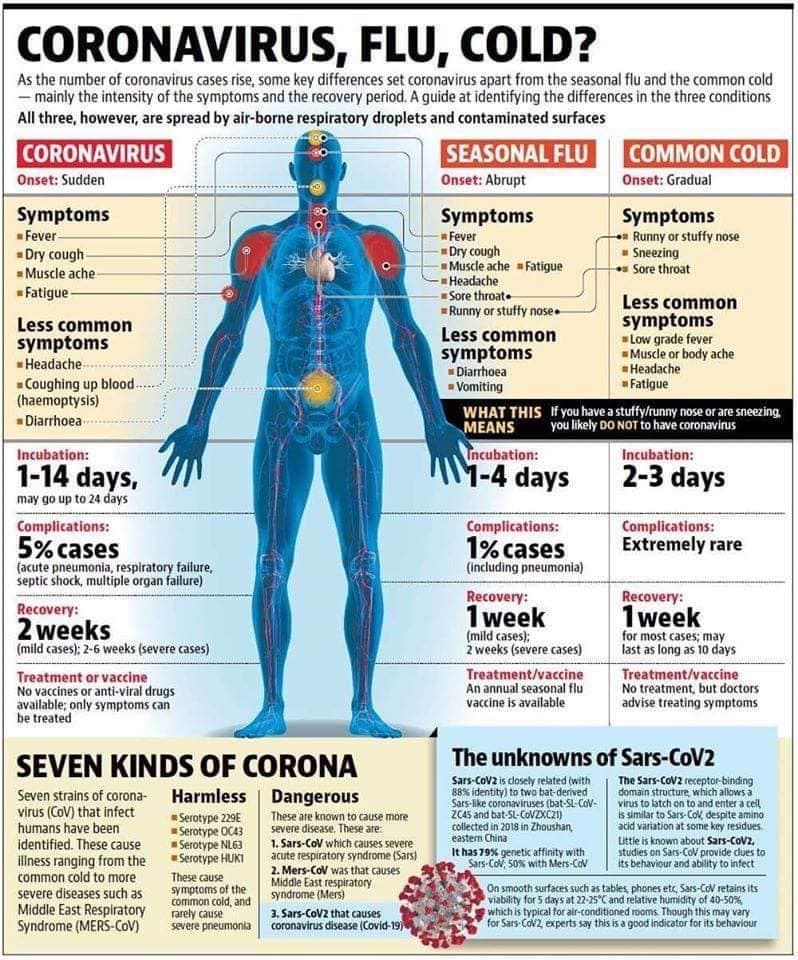
Agenda21COVID-19, a strain of coronavirus, was derived from or related to SARS CoV-2. There are at least six, probably thousands of strains of coronavirus ranging from the common cold to influenza. Unknown strains of coronavirus are continually mutating all the time. Coronaviruses are extremely common in both humans and animals. See Appendix I: Coronavirus, Flu, Cold?

The mainstream media often erringly refers to COVID-19 as a “coronavirus” in their news stories, failing to distinguish one “coronavirus” strain from another. Either the mainstream media does this to blur the facts, to advocate for their advertisers, or to confuse the public with sloppy, incompetent reporting.

If the mainstream media and public health officials were actually concerned about public health, they would be very specific when referring to the dangerous COVID-19 strain (i.e., novel coronavirus). 

AReassuringLieThough a natural coronavirus may be as simple as the common cold or a strain of seasonal influenza, a manufactured coronavirus could be a variation or mutation of SARS-CoV, MERS-CoV or SARS-CoV2 (i.e., COVID-19).

SARS = “Severe Acute Respiratory Syndrome” 

MERS = “Middle Eastern Respiratory Syndrome”

SARS-CoV retains its viability for 5 days at 22-25 degrees Celsius and relative humanity of 40-50% in air conditioned rooms on smooth surfaces such as tables, phones, etc. This is a good indicator of the behavior of SARS-CoV2 as well.

COVID-19 symptoms include fever, phlegm, dry cough, muscle ache and fatigue, heart problems and congested lungs. Less common symptoms have been said to be headache, coughing up blood, diarrhea, and sore muscles. Some of these symptoms may be similar to those indicating overexposure to 5G radiation.

AskPermission1The incubation period is at lease 1 – 14 days and could be up to 24 days. Complications include acute pneumonia, respiratory failure, septic shock and multiple organ failure. Recovery time is 2 weeks for a mild case and 2 – 6 weeks for severe cases. 

A coronavirus is listed on the instructions for common household disinfectants, such as Lysol. It is well-established that hand-washing with high quality, medical-grade disinfectants, with 60% of more alcohol content, minimizes the contagiousness of coronaviruses. With a base of high-grade alcohol you can also add natural disinfectants such as thyme oil, peppermint and/or lemongrass oil, eucalyptus oil or tea tree oil all which enhance the efficacy of the coronavirus disinfectant.

“A novel virus is a virus that has not previously been recorded. It can be a virus that is isolated from its natural reservoir or isolated as the result of spread to an animal or human host where the virus had not been identified before.
It can be an emergent virus, one that represents a new virus,
but it can also be an extant virus that has not been 
previously identified.”

Order a PDF copy ($10): Dawning of the Corona Age: Navigating the Pandemic, available now, Order your copy today!

Order a PRINT & BOUND copy ($25 + $9/shipping), available on September 1st, 2020: Order your print copy today (includes PDF copy as well)!

____________________________

Dawning of the Corona Age: Navigating the Pandemic

THE PANDEMIC: COVID-19, Season 1, Episode 1

  1. DumbedDownPreface and Introduction
  2. Seven Known Strains of Coronavirus
  3. COVID-19 Did Not Naturally Occur By Animal to Human Contact
  4. China’s COVID-19 Coverup
  5. Faulty Computer Simulations & Projections
  6. Skepticism of Mainstream Narratives & Projections
  7. Herd/Individual Immunity, Lockdowns & Quarantines
  8. The Immune System is Your Primary Defense
  9. How Contagious is COVID-19?
  10. “Exosomes” as a Natural Release of the Human Body
  11. Masks or No Masks?
  12. Invalid Testing & Inconclusive Diagnosis for COVID-19
  13. Inflated Death Rates & Asymptomatic Cases
  14. Hydroxychloroquine is an Effective Treatment
  15. Emerging & Effective Treatment Protocols
  16. Questioning the Need, Safety & Efficacy of a Vaccine for COVID-19
  17. Dangers of Vaccines Laced with Toxic Materials
  18. Germ Theory is the Wrong Approach, Look to the Biome

THE LOCKDOWN: Season 1, Episode 2

  1. CoronaWorldInternational, National & State Declarations of Emergency
  2. COVID-19 & The 5G Factor
  3. Total Surveillance State & The Right to Privacy
  4. Legal Authorities for U.S. Public Health Officials & State Governors
  5. Stimulus Bills Are Fast Tracks to Socialism & U.S. Bankruptcy
  6. Chinese Coverup & Propaganda
  7. Undeclared War Between China & United States
  8. Global Goals of the Pandemic
  9. The New World Order
  10. Big Pharma Funding Regulatory Agencies Providing Oversight & Developing Public Policy
  11. Internet Censorship & Medical Fascism
  12. The Global Health Protection Racket
  13. The Future Ain’t What it Used to Be

THE CORONA AGE: 2020 & BEYOND, Season 2

  1. Dawning of the Corona Age

APPENDIX

Public Health Legal Authorities to Collect, Use, Share, and Protect Information | ASTHO

FlaginSunlightOverview

Public health agencies need to collect, use, and share information to prevent disease and injury and protect the public against natural, accidental, and intentional health threats. Various federal and state laws may impact public health activities regarding such information.

Public health agencies may collect and maintain information that identifies an individual or is sensitive in nature, such as information about communications systems or detailed emergency response plans. In these situations, freedom of information (FOI) laws establish parameters for information that must be shared, upon request, and that which may be exempted from public disclosure. In applying the laws, public health agencies may need to juggle competing interests and balance individual privacy against the need to protect or inform the public.

Public health agencies face additional challenges when sharing information with law enforcement, especially when conducting a joint investigation where a public health threat may involve criminal activity. (See ASTHO Public Health Collection, Use, Sharing and Protection of Information Issue Brief  and Authorities and Limitations in Sharing Information Between Public Health Agencies and Law Enforcement Issue Brieffor detailed analyses of issues and law.) (Download a printable PDF.)

Constitutional Considerations

Generally, state and local public health agencies have broad and flexible authority to protect the public health. However, the exercise of governmental power has limits. The United States Constitution contains a Bill of Rights1 that sets out individual liberties and protects individuals from the arbitrary use of governmental power. These rights may impact public health collection and sharing of information.

Right to Privacy
The Constitution provides a limited right to privacy, including “informational privacy.”2 State laws that require reporting of or public health agency access to identifiable information are permissible when they are reasonably directed to the preservation of health and properly respect a patient’s confidentiality and privacy.3

Right Against Unreasonable Search and Seizure
With the owner’s permission,4 public health agencies may enter or search the premises of an individual or business, take biological specimens or environmental samples for testing, copy records, and remove evidence that might be relevant to a public health concern. However, absent consent or the applicability of another exception, public health agencies must comply with requirements in the U.S. Constitution’s Fourth Amendment.

The Fourth Amendment requires that a warrant be obtained, based upon probable cause, to search someone’s premises or seize their property. The Fourth Amendment applies to both criminal investigations and health and safety inspections and investigations.5 In addition to consent, other exceptions to the warrant and probable cause requirement might apply to public health inspections and investigations, including searches of pervasively regulated businesses,6searches of premises or items open to the public,7 and searches based on exigent circumstances if delay is likely to lead to injury, public harm, or the destruction of evidence.8

Right Against Self-Incrimination
The Fifth Amendment right against self-incrimination prevents the government from forcing an individual to be a witness against himself or herself during trial or a custodial interrogation. If an individual is not informed of his or her right against self-incrimination, the individual’s statements and evidence obtained as a result of these statements may be suppressed in criminal proceedings. This right may arise when a public health incident involves criminal activity, especially when law enforcement and public health investigators are conducting joint interviews or public health agencies assist law enforcement to gather evidence.9


Practice Notes

  • Identify information to be obtained or shared.
  • Identify the purpose for which the information is needed.
  • Determine whether this is the minimum necessary for the purpose or whether de-identified information will serve the purpose.
  • Identify sources for the information, such as healthcare providers, schools, other businesses, and individuals.
  • Identify applicable federal or state laws.
  • Determine and meet conditions or requirements for obtaining or sharing information; in some situations, an individual’s consent may avoid legal issues when disclosing private information.
  • If privacy protections prevent disclosures necessary to protect the public, consult with counsel to identify relevant legal responsibilities, evaluate competing moral claims, and document determined course of action.

State Constitutions
State constitutions, along with court decisions that interpret state constitutions, must be reviewed to identify individual rights that exceed the U.S. Constitution. State constitutions may be sources of additional provisions that govern information sharing; for example, some constitutions define individual privacy rights or cover the public’s right to obtain governmental records.

State Statutes

Generally, state law governs state and local public health agencies’ authority and responsibilities regarding collection, use, disclosure, and protection of information. State laws vary in nature and scope. Authority may be based on general statutes, such as public health laws that grant public health agencies communicable disease control authority. Specific laws may also apply.

Case Reporting
These laws mandate that healthcare providers, laboratories, and others report specific communicable diseases and other illness of public health concern. Reporting requirements vary by state, and may also include poisonings, chemical or radiological exposures, suspected acts of terrorism, and other conditions.

Syndromic Surveillance
State laws may require or authorize reporting to electronic syndromic surveillance systems of information that is routinely gathered in emergency rooms or other places that may indicate an emerging disease or other public health threat before confirmed diagnoses are made.

Investigatory Authority
State laws may specifically grant public health agencies authority to conduct investigations and gather evidence, or such authority may arise from general statutory powers. State laws may also establish procedures for obtaining warrants to search the premises of an individual or business and seize evidence related to a public health threat.

Privacy Provisions
Public health or other laws may contain provisions to protect the confidentiality of information that identifies an individual and to limit its disclosure by public health agencies. Exceptions may be provided, for example, for disclosing information to other agencies, law enforcement, or the public when necessary to protect the public’s health.

Freedom of Information
All states have laws that require information held by governmental agencies to be provided upon request. FOI laws promote transparency and accountability of governments, facilitate consumers’ ability to make informed choices, and safeguard citizens against mismanagement and corruption. Public health agencies—like other governmental agencies—need to be sensitive to these important considerations in responding to FOI requests. At the same time, these laws may create challenges for public health agencies with regard to requests for private information about individuals or sensitive information, such as information that is preliminary, incomplete, or might present a national or state security risk. FOI laws include exemptions that may allow public health agencies to withhold private or sensitive information under certain circumstances. These exemptions vary among states in nature, scope, and prerequisites for denying disclosure.

Federal Statutes

Federal laws that impact collection, use, disclosure, and protection of information by public health agencies include, but are not limited to, the following.

HIPAA Privacy Rule
The Privacy Rule10 adopted under the Health Insurance Portability and Accountability Act (HIPAA)11 established national privacy protections for individually identifiable health information. The Privacy Rule may apply to healthcare providers or others that provide information to public health agencies. Depending on a public health agency’s organization, the Privacy Rule may apply to a public health agency when it discloses individually identifiable information. The Privacy Rule is not intended to interfere with public health functions and contains provisions that allow public health agencies to collect identifiable health information and disclose it, including to law enforcement, when authorized by law or when necessary to protect the public from an imminent threat.

FERPA
Privacy protections established by the Family Educational Rights and Privacy Act (FERPA)12 limit information that schools may provide to public health agencies about students. However, exceptions allow schools to provide certain directory information, such as student name and contact information, and necessary information to appropriate officials in cases of health and safety emergencies.13

Surveillance Data Systems
Various federal laws, such as the Public Health Security and Bioterrorism Preparedness Act of 2002,14 establish surveillance data systems that allow collection of information provided by state and local governmental agencies and integration of federal, state, and local data systems.

Critical Infrastructure
Confidentiality requirements apply to federal disclosure of certain information to state or local governmental agencies related to critical infrastructure and supplies and resources to protect the public’s health. For example, federal law protects the confidentiality of information voluntarily provided by the private sector to the federal government regarding vaccine tracking and distribution15 and information about critical infrastructure.16 Although the federal government may share this information with state and local government and agencies, those agencies must protect its confidentiality.


Practice Resource

The Reporters Committee for Freedom of the Press provides the Open Government Guide at http://www.rcfp.org/open-government-guide, which is a complete compendium of information on every state’s open records and open meetings laws. Each state’s section is arranged according to a standard outline, making it easy to compare laws in various states.


Sources

  1. U.S. Const., Amds 1-10.
  2. Whalen v. Roe, 429 U.S. 589 (1977).
  3. Whalen v. Roe, 429 U.S. 589 (1977); Planned Parenthood of Missouri v. Danforth, 428 U.S. 52 (1976).
  4. Florida v. Jimeno, 500 U.S. 248 (1991).
  5. Camara v. Municipal Court, 387 U.S. 523 (1967) (search of residences); See v. City of Seattle, 387 US 541 (1967) (search of commercial property).
  6. New York v. Burger, 482 US 691 (1987).
  7. Gostin LO. Public Health Law – Power, Duty, Restraint. (2008), p 468, 699-700. See endnotes 57-58.
  8. Michigan v. Tyler, 436 U.S. 499 (1978).
  9. Richards, EP. “Collaboration between Public Health and Law Enforcement: The Constitutional Challenge. Emerging Infectious Diseases.” Available at http://wwwnc.cdc.gov/eid/article/8/10/02-0465_article.htm. Accessed 11-15-2012. Goodman, R.A., Munson, JW, Dammer, K., Lazzarini, Z., and Barkely JP. “Forensic Epidemiology: Law at the Intersection of Public Health and Criminal Investigations.” Journal of the American Society of Law, Medicine & Ethics. Available at http://www.ncbi.nlm.nih.gov/pubmed/14968670. Accessed on 2-7-2013.
  10. 45 C.F.R. Parts 160 and 164.
  11. Pub. L. 104-191, 42 U.S.C. § 300gg et seq.
  12. Pub. L. 93-380, 20 U.S.C. § 1232g, implemented by 34 C.F.R. Part 99.
  13. 34 C.F.R. § 99.31.
  14. Pub. L. 107-188, 42 U.S.C. 300hh et seq.
  15. Public Health Service Act, 42 U.S.C. § 247d-1.
  16. Critical Infrastructure Information Act of 2002, Pub. L. 107-296, 6 U.S.C. 131 et seq., which is part of the Homeland Security Act of 2002.

Note: This document was compiled from April–November 2012 and reflects the laws and programs current then. It reflects only portions of the laws relevant to public health emergencies and is not intended to be exhaustive of all relevant legal authority. This resource is for informational purposes only and is not intended as a substitute for professional legal or other advice. The document was funded by CDC Award No. 1U38HM000454 to the Association of State and Territorial Health Officials; Subcontractor Subcontractor University of Michigan School of Public Health, Network for Public Health Law – Mid-States Region.

Source: ASTHO

The Coverup of the Century: How the Chinese Communist Party (CCP) covered up the coronavirus outbreak | The Epoch Times & NTD | Film [click image]

This one-hour documentary movie follows investigative reporter Simone Gao’s inquiry into critical questions about the pandemic: What did the Chinese Communist leadership do at the early stages of the outbreak? What significant truth have they concealed from the world, and why did they do that? The documentary also casts light on who has let the the CCP run rampant, and what can be learned from the western world’s history of dealing with Communist China.

Source: YouTube & The Epoch Times

Covid-911 – Insurgency | YouTube

Editor’s Note: What’s happening in America today is a clear and present danger to the Constitutional Republic of the United States of America. Wake Up or lose your freedoms forever.

You’re being scammed by enemies of America who occupy powerful positions in government and the media. November 2020 is the way we, the people, can fight back. Know your enemy. Ditch the masks. Rise.

Source: YouTube

Mass-Tracking COVI-PASS Immunity Passports Slated to Roll Out in 15 Countries | Mint Press News

Virus Outbreak UtahBy Raul Diego

Editor’s Note: COVI-PASS will determine whether you can go to a restaurant, if you need a medical test, or are due for a talking-to by authorities in a post-COVID world. Consent is voluntary, but enforcement will be compulsory.

Through the magic of Internet meme culture, most Millennials will be familiar with the famous opening scene of the 1942 film, “Casablanca,” where two policemen stop a civilian in the “old Moorish section” of Nazi-occupied French Morocco and ask him for his “papers.” The subject is taken away at once after failing to produce the required documents. The cinematic exchange has been used ever since as a popular reference to the ever-encroaching hand of the state, which is now on the verge of attaining a level of control over people’s movements that puts the crude Nazi methods to shame.

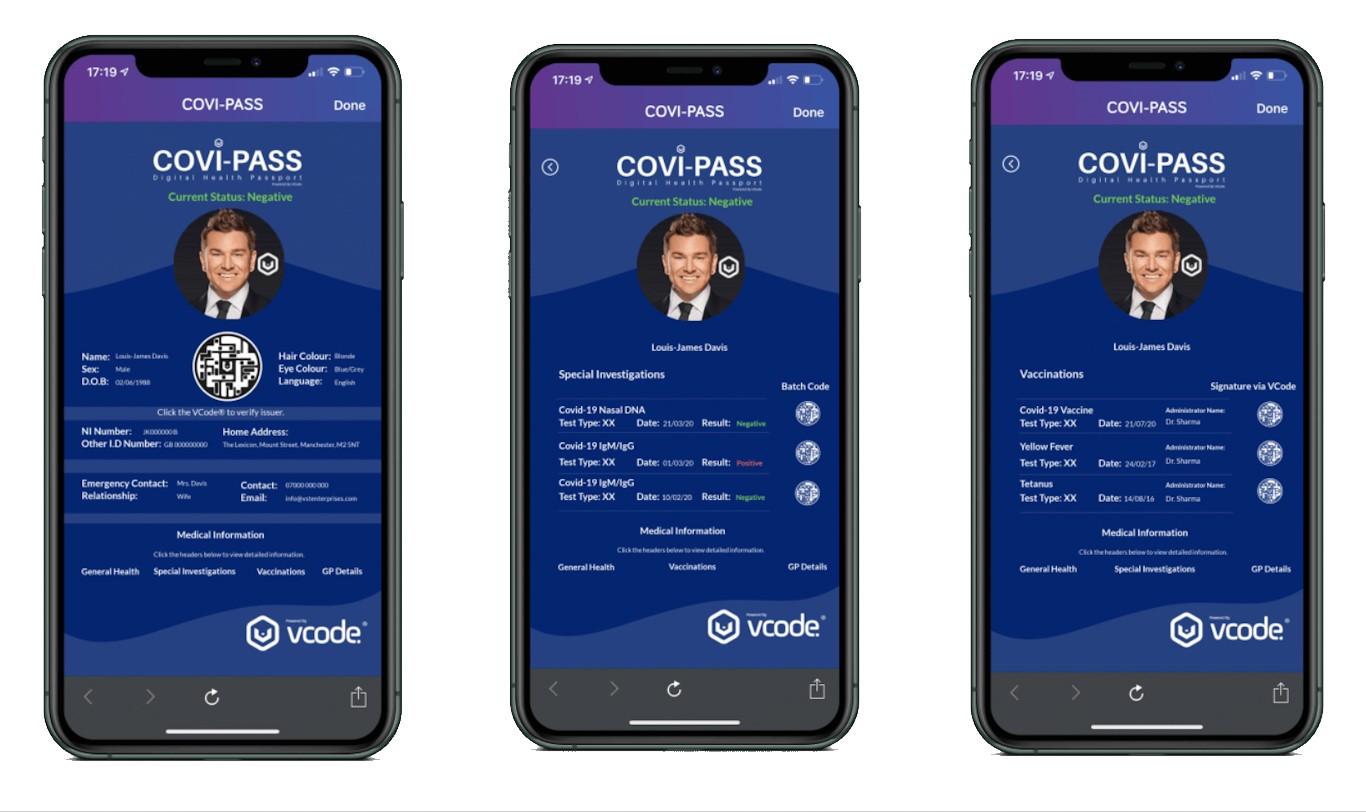
A British cybersecurity company, in partnership with several tech firms, is rolling out the COVI-PASS in 15 countries across the world; a “digital health passport” that will contain your COVID-19 test history and other “relevant health information.” According to the company website, the passport’s objective is “to safely return to work” and resume “social interactions” by providing authorities with “up-to-date and authenticated health information.”

These objectives mirror those that Bill Gates has been promoting since the start of the COVID-19 lockdown. In an essay written by Gates in April, the software geek-cum-philanthropist lays out his support for the draconian measures taken in response to the virus and, like an old-timey mob boss, suggests the solutions to this deliberately imposed problem. Ironically, Gates begins to make his case for the adoption of mass tracking and surveillance technology in the U.S. by saying that “For now, the United States can follow Germany’s example”; He then touts the advantages of the “voluntary adoption of digital tools” so we can “remember where [we] have been” and can “choose to share it with whoever comes to interview you about your contacts.”

COVI-Pass APP

Gates goes on to predict that the ability to attend public events in the near future will depend on the discovery of an effective treatment. But he remains pessimistic that any such cure will be good enough in the short term to make people “feel safe to go out again.” These warnings by the multi-billionaire dovetail perfectly with the stated purposes of the aforementioned COVI-PASS, whose development is also being carried out in partnership with Redstrike Group – a sports marketing consultancy firm that is working with England’s Premier League and their Project Restart to parse ticket sales and only make them available to people who have tested negative for the virus.

VST Enterprises goes viral

VST Enterprises Ltd (VSTE) is led by 31-year old entrepreneur, Louis-James Davis, who very recently stepped down from a “science & technology ambassadorship” in the African nation of Zimbabwe to focus on the company’s role in the UN’s SDG (Sustainable Development Goals) Collaboratory initiative, comprising a series of “cyber technology projects across all 193 member states of the United Nations.”

These will use the same proprietary VCode and VPlatform technologies underpinning the COVI-PASS that will reportedly tackle issues such as illegal mining and counterfeiting. This “third generation” barcode technology overcomes the limitations of older “second generation” versions like QR-codes, according to Davis. “Data and sensitive information scanned or stored in either a QR code and barcode can be hacked and are inherently insecure,” Davis claims, “leaving data and personal details to be compromised.” These, and other flaws of the prevailing “proximity apps” were exploited by VST Enterprises to position itself to land large government and private sector contracts.

By all measures, the strategy has proven wildly successful and VST now enjoys strong favor in the highest circles of the UK government as evidenced by the ringing endorsement of former Prime Minister Theresa May, prominently displayed on the COVI-PASS website. More practically, VST now has a direct partnership with the UK government and has secured contracts to deploy its technology in 15 countries, including Italy, Portugal, France, India, the US, Canada, Sweden, Spain, South Africa, Mexico, United Arab Emirates and the Netherlands.

In May, VST signed a deal with international digital health technology firm and owner of COVI-PASS, Circle Pass Enterprises (CPE) to integrate VST’s VCode into the biometric RFID-enabled “passports” which can be accessed via mobile phone or a key fob will flash colored lights to denote if an individual has tested negative, positive or is to be denied entry to public locations. Awarded the ‘Seal of Excellence’ by the EU, VCode® technology will ensure that all of our most sensitive personal and health information can be accessed by authorities at a distance, dispensing with messy and potentially dangerous face-to-face encounters with police or other enforcement personnel.

Infusing the narrative

So far, the concerns over the digital health passport’s threat to freedom and privacy have been lukewarm at best and it seems as if the world has already accepted that full-fledged population control methods such as these will simply be a fact of life. While the coronavirus pandemic has certainly done much to bring the public over to this way of thinking, the campaign to normalize this sort of Orwellian power-grab has been ongoing for many years and Bill Gates – who many media outlets have whitewashed out of stories related to these measures – has been at the forefront of its promotion.

The Innovation for Uptake, Scale and Equity in Immunisation (INFUSE) project was launched in Davos, Switzerland in 2016. The program was developed by an organization funded by the Bill & Melinda Gates Foundation called GAVI (The Vaccine Alliance), which has been calling for a digital health ID for children along with partners in the broader !D2020 initiative like the Rockefeller Foundation and Microsoft.

In a recent interview, the deputy director of the Bill & Melinda Gates Foundation, Hassan Damluji, derided the idea that the COVID-19 pandemic was in any way subsiding and even warned that, far from receding, the pandemic was “deep into wave three.” His remarks were specifically targeted to the very regions he oversees for the foundation, which include the Middle East and parts of Asia, which he stressed would be the focus of the next wave. Damluji was “most recently involved in a five-year fundraising cycle for GAVI,” an effort led by Saudi Arabia, whose investment he praised as a powerful “signal [that] others had an obligation to follow.”

Gates concludes his editorial with a comparison to World War II, stating that said conflict was a “defining moment of our parents’ generation” as the COVID-19 pandemic is to ours, implying that the changes taking place now are akin to the Allied forces’ defeat of the Third Reich. Except, of course, that immunity passports or digital health certificates sound exactly like what Hitler wished for the most. After all, wasn’t the idea of a superior race based on considerations of superior health and vitality over the ostensibly sick and unfit? Hard to argue against the idea that a universal health passport is nothing less than the ultimate fulfillment of that dystopian nightmare.

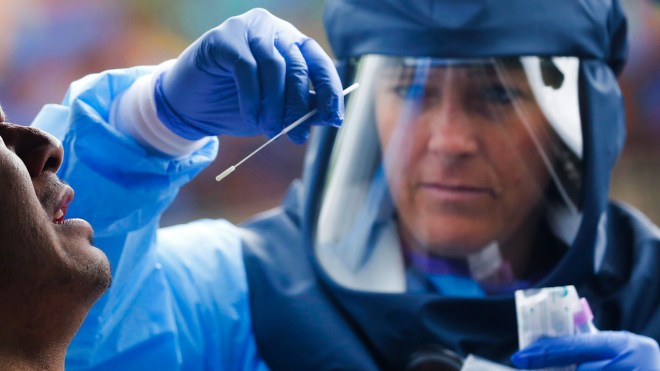
Feature photo | Salt Lake County Health Department public health nurse Lee Cherie Booth performs a coronavirus test outside the Salt Lake County Health Department in Salt Lake City, May 20, 2020. Rick Bowmer | AP

Raul Diego is a MintPress News Staff Writer, independent photojournalist, researcher, writer and documentary filmmaker.

Source: Mint Press News

Government Officials Globally Expose Themselves and The Big COVID-19 Lie – Solid Proof of Trickery! | YouTube

If you’ve been looking for proof on whether this entire lock-down etc… is just one big lie, then this should open your mind! “How do you know the government/Big Media is lying? They’re moving their lips!”

Source: YouTube

The Miserable Pseudo-Science Behind Face Masks, Social Distancing And Contact Tracing | Technocracy News

man-behind-mask-777x437By Patrick Wood

Once upon a time, there was something called science. It included the discovery of truth about nature, the elements, the universe, etc. It was practiced by honest and accountable practitioners called scientists and engineers. They often invented cool new things as a result of their studies, but generally they had no primal urge to use their knowledge to dominate other people, groups or even entire societies.

Then certain other scientists and engineers rose up and made a discovery of their own. If true science was ever-so-slightly skewed and engineering disciplines were applied to society at large, then they could indeed use their “knowledge” to dominate and control other people, groups, entire societies or even, heaven forbid, the entire planet.

The first group pursued science. The second group pursued pseudo-science.

Merriam-Webster defines pseudo-science as “a system of theories, assumptions, and methods erroneously regarded as scientific.”  The Oxford dictionary clarifies by stating, “a collection of beliefs or practices mistakenly regarded as being based on scientific method.

Pseudo-science quickly emerged as the principal domain of Technocrats, but they soon found that scientific debate with those promoting real science was most inconvenient to their social engineering goals. The solution was simple: claim that their own pseudo-science was indeed the real science, and then refuse debate by excluding all other voices to the contrary.

In the context of pseudo-science, this report will examine the three primary tools of fighting COVID-19: face masks, social distancing and contact tracing.

Face masks

The Occupational Safety and Health Administration (OSHA) website plainly states that cloth face masks “Will not protect the wearer against airborne transmissible infectious agents due to loose fit and lack of seal or inadequate filtration.” 

But, what about surgical masks? OHSA is clear here also that they “will not protect the wearer against airborne transmissible infectious agents due to loose fit and lack of seal or inadequate filtration.”

But then right under these statements, OSHA furiously backpedaled by adding an FAQ section on COVID-19 directly underneath and stated,

OSHA generally recommends that employers encourage workers to wear face coverings at work.Face coverings are intended to prevent wearers who have Coronavirus Disease 2019 (COVID-19) without knowing it (i.e., those who are asymptomatic or pre-symptomatic) from spreading potentially infectious respiratory droplets to others. This is known as source control.

Consistent with the Centers for Disease Control and Prevention (CDC) recommendation for all people to wear cloth face coverings when in public and around other people, wearing cloth face coverings, if appropriate for the work environment and job tasks, conserves other types of personal protective equipment (PPE), such as surgical masks, for healthcare settings where such equipment is needed most.

So, wearing a face mask cannot protect you from getting COVID, but it is supposedly able to keep someone else from getting it from you? OSHA is speaking out of both sides of its mouth. What it calls “source control” likely puts the real motive out in the open: since you are the source, it’s about controlling YOU. There is no true scientific rationale for anyone but the sick and medical workers to wear masks.

The truly healthy have no business wearing a mask, period.

But, what about asymptomatic carriers?

On June 8, 2020, Maria Van Herkhove, PhD., head of the World Health Organization’s emerging diseases and zoonosis unit released a compilation of a number of contact tracing programs from various nations and plainly stated “From the data we have, it still seems to be very rare that an asymptomatic person actually transmits onward to a secondary individual.”

This writer hates to think what happened to Dr. Herkhove overnight at the hands of her WHO handlers, because the next day she also furiously backpedaled and stated “I used the phrase ‘very rare,’ and I think that that’s misunderstanding to state that asymptomatic transmission globally is very rare. I was referring to a small subset of studies.”

It is clear that Dr. Herkhove’s first statement that naively repeated the clear facts of the matter did not follow the WHO’s justification for non-infectious people to wear masks. In fact, the entire mask wearing narrative hangs on the single pseudo-scientific idea that asymptomatic people can spread the virus.

In a recent Technocracy News article authored by highly-respected neurosurgeon Dr. Russell Blaylock, MD titled Face Masks Pose Serious Risks To The Healthy, he concluded, “there is insufficient evidence that wearing a mask of any kind can have a significant impact in preventing the spread of this virus.” (Blaylock represents real science.)

Nevertheless, in the face of clear evidence of the worthlessness of face masks for preventing disease,

  • States and municipalities are mandating that face masks be worn by all citizens when outside their home
  • Large and small companies are forcing their employees to wear masks
  • People at large are scared to death to not wear a face mask for fear of getting sick or being mask-shamed by others if they take it off.

A Matter of Oxygen

Face masks lower the percentage of oxygen available for inhaling.

Normal fresh air contains 20.95% oxygen. OSHA defines an oxygen deficient atmosphere as an “atmosphere with an oxygen content below 19.5% by volume.”  The reason we breathe air is only for our lungs to harvest the oxygen it contains so that we don’t suffocate and die.

OSHA documents the effects of the first level of oxygen deficiency from 16% to 19.5%:

At concentrations of 16 to 19.5 percent, workers engaged in any form of exertion can rapidly become symptomatic as their tissues fail to obtain the oxygen necessary to function properly (Rom, W., Environmental and Occupational Medicine, 2nd ed.; Little, Brown; Boston, 1992). Increased breathing rates, accelerated heartbeat, and impaired thinking or coordination occur more quickly in an oxygen-deficient environment. Even a momentary loss of coordination may be devastating to a worker if it occurs while the worker is performing a potentially dangerous activity, such as climbing a ladder.

This writer has already encountered several store employees, forced to wear a face mask during work hours, who exhibit one or more of these exact symptoms. When asked if they relate their symptoms to wearing the mask, every single one has emphatically said “Yes!”.

Every employer and government entity that mandates the wearing of face masks are required to do two things: first, they must provide atmospheric testing to each person to measure average oxygen levels inside the mask when it is being worn and second, if oxygen is below 19.5%, they must be provided with an oxygen enriched breathing system.

To this writer’s knowledge, there has been zero testing of oxygen levels anywhere in the country even though it is plainly clear that many people are experiencing symptoms of oxygen deficiency.

Many state-level politicians are now mandating the wearing of face masks for all citizens in public places. That they have fallen prey to pseudo-science is now putting entire populations at risk for physical harm that has nothing to do with the COVID-19 virus.

Social Distancing

Adding to the fear of contagion, people across the nation are driven to practice social distancing, or staying 6 feet apart at all times. This is practiced to excess in almost every commercial establishment with markers taped or painted on the floor and shopping isles converted into one-way travel only.

Yet, two real scientists at the University of Oxford in Britain, Professors Carl Heneghan and Tom Jefferson, wrote in The Telegraph (UK) recently that “the two-metre rule has no basis in science.” Their article was titled There is no scientific evidence to support the disastrous two-metre rule.

According to these scientists,

The influential Lancet review provided evidence from 172 studies in support of physical distancing of one metre or more. This might sound impressive, but all the studies were retrospective and suffer from biases that undermine the reliability of their findings. Recall bias arises in research when participants do not remember previous events accurately, and it is problematic when studies look back in time at how people behaved, including how closely they stood from others.

More concerning was that only five of the 172 studies reported specifically on Covid exposure and proximity with infection. These studies included a total of merely 477 patients, with just 26 actual cases of infection. In only one study was a specific distance measure reported: “came within six feet of the index patient”. The result showed no effect of distance on contracting Covid.

Heneghan and Jefferson further noted,

On further independent inspection of 15 studies included in the review, we found multiple inconsistencies in the data, numerical mistakes and unsound methods in 13 of them. When assumptions over distance were made, we could not replicate any of them.

This is the hallmark of modern pseudo-science: inconsistencies in the data, numerical mistakes, unsound methods and inability to replicate results.

What is the real purpose of social distancing? It certainly is not to curtail contagion. The only other possibility is to curtail economic activity and prevent social cohesion. Humans are social beings, after all, and lack of close proximity leads to depression, anxiety and even serious health consequences.

Contact Tracing

Contact tracing is an established practice in modern medicine. It is useful for the early stages of serious infectious diseases like Ebola, tuberculosis and sexually transmitted diseases like chlamydia.

Every credible expert on contact tracing says that it is effective only up to the point of mass distribution. In other words, during the early stages of a contagion or a slow moving or very serious disease.

In the case of COVID-19, the horse has already left the barn. Except to harass people, there is nothing useful that contact tracing can accomplish.

Yet, almost every state in America is implementing a wide-ranging contact tracing program that may ultimately employ some 300,000 tracers.

The Center for Disease Control website states that “Contact tracing will be conducted for close contacts (any individual within 6 feet of an infected person for at least 15 minutes) of laboratory-confirmed or probable COVID-19 patients.”

Furthermore, CDC complete definition of “close contact” is,

Someone who was within 6 feet of an infected person for at least 15 minutes starting from 2 days before illness onset (or, for asymptomatic patients, 2 days prior to specimen collection) until the time the patient is isolated.

If you are “exposed” to such a person, your personal information will be collected and you will be contacted by the “tracer” to be instructed to quarantine for up to two weeks. The infected person could have been mistaken about having contact with you. They could be someone who just wants to get you in trouble. If you live in Washington state, where all restaurants are now required to record the contact information of every patron, you might not have a clue who was infected, but you will be quarantined anyway.

Now, the CDC’s declaration of “6 feet” above takes us back to social distancing, where we just learned above that there is “no effect of distance on contracting COVID” in the first place.

Thus, find that contact tracing misses the mark on two main points: first, the virus is too widespread throughout the population to make tracing effective and second, the criteria of six feet for defining a “contact” is bogus.

So, why are governors, mayors and health departments ramping up for a nationwide exercise in obtrusive contact tracing? Again, pursuing a path of pseudo-science, the intended outcome is control over people.

Conclusion

The American public is being spoon-fed a steady diet of pseudo-science in order to justify the wearing of face masks, social distancing and contact tracing. Yet, the actual science points in the polar opposite direction.

Furthermore, those who try to present the real science are shamed, ridiculed and bullied for having such narrow-minded views.

This is a clear sign of Technocrats-at-work. Instead, these are the ones who should be exposed, shamed and ridiculed.

In sum, these dangerous and destructive policies are designed to curtail economic activity, break down social cohesion and control people. Moreover, they fit the original mission statement of Technocracy as far back as 1938:

Technocracy is the science of social engineering, the scientific operation of the entire social mechanism to produce and distribute goods and services to the entire population…

It is highly doubtful that most state and local leaders understand the lack of real and verified science behind their actions and mandates. Nevertheless, they are implementing policies that are destructive to our economic system, harmful to our personal health and ruinous to personal liberty.

This writer suggests that you print multiple copies of this report and deliver it to every political leader, every commercial establishment, all family and friends, etc.


Permission is granted to repost or reprint this article with original credit and direct link back to Technocracy.news. A PDF version suitable for printing may be downloaded here

Patrick Wood is editor of Technocracy News & Trends, and a leading and critical expert on Sustainable Development, Green Economy, Agenda 21, 2030 Agenda and historic Technocracy.

He is the author of Technocracy: The Hard Road to World Order (2018), Technocracy Rising: The Trojan Horse of Global Transformation (2015) and co-author of Trilaterals Over Washington, Volumes I and II (1978-1980) with the late Professor Antony C. Sutton.

Wood remains a leading expert on the elitist Trilateral Commission, their policies and achievements in creating their self-proclaimed “New International Economic Order” which is the essence of Sustainable Development and Technocracy on a global scale.

Source: Technocracy News
“Mounting Evidence” Suggests COVID Not As Deadly as Thought. Did the Experts Fail Again? | Foundation for Economic Education & NPR

ConsiderEvidenceBy Jon Miltimore

In April 2005, Charles Duelfer, the CIA’s top weapons inspector in Iraq, admitted in the CIA’s final report that after an extensive search, no weapons of mass destruction could be found.

“After more than 18 months, the WMD investigation and debriefing of the WMD-related detainees has been exhausted,” wrote Duelfer, the leader of the Iraq Survey Group. “As matters now stand, the WMD investigation has gone as far as feasible.”

Today it’s generally accepted that the presence of WMD was the primary basis for the Iraq War. Naturally, the absence of such weapons shook the world. The media blamed the politicians, the politicians blamed US intel, and the intelligence actors involved mostly defended their work.

The official word, chronicled in the Robb-Silberman report, concluded that “the Intelligence Community didn’t adequately explain just how little good intelligence it had—or how much its assessments were driven by assumptions and inferences rather than concrete evidence.”

The Iraq War WMD debacle is arguably the greatest expert “fail” in generations. The holy triumvirate—lawmakers, bureaucrats, and media—all failed to sniff out the truth. If any of them had, a war that cost trillions of dollars and claimed the lives of 100,000-200,000 people likely could have been avoided.

It would be difficult to surpass the Iraq blunder, but emerging evidence on COVID-19 suggests the experts—again: lawmakers, bureaucrats, and media—may have subjected us to a blunder of equally disastrous proportions.

A new NPR report suggests the global response to COVID-19 may have been reached on a flawed premise.

Mounting evidence suggests the coronavirus is more common and less deadly than it first appeared.

The evidence comes from tests that detect antibodies to the coronavirus in a person’s blood rather than the virus itself.

The tests are finding large numbers of people in the US who were infected but never became seriously ill. And when these mild infections are included in coronavirus statistics, the virus appears less dangerous.

“The current best estimates for the infection fatality risk are between 0.5% and 1%,” says Caitlin Rivers, an epidemiologist at the Johns Hopkins Center for Health Security.

That’s in contrast with death rates of 5% or more based on calculations that included only people who got sick enough to be diagnosed with tests that detect the presence of virus in a person’s body.

Many people will recall the fatality risk debate that took place prior to and in the early stages of the lockdowns. There was much discussion over how deadly the virus was and what the collective response to the virus should be.

Some voices exercised caution.

“The public is behaving as if this epidemic is the next Spanish flu, which is frankly understandable given that initial reports have staked COVID-19 mortality at about 2–3 percent, quite similar to the 1918 pandemic that killed tens of millions of people,” Jeremy Samuel Faust an emergency medicine physician and an instructor at Harvard Medical School, wrote in Slate. “Allow me to be the bearer of good news. These frightening numbers are unlikely to hold.”

Similarly, on March 5 vaccine expert Paul A. Offit, who holds the Maurice R. Hilleman Chair of Vaccinology at the University of Pennsylvania, told Factcheck.org that he believed that the World Health Organization’s 3.4 percent fatality rate figure was too high, suggesting it was well below 1 percent.

“We’re more the victim of fear than the virus,” Offit said, adding that the world was witnessing a “wild overreaction” to the disease.

Voices like those of Faust and Offit were quickly drowned out, however. The 24-hour news cycle fanned collective fear and outrage that more was not being done. Runs on toilet paper and masks ensued. Neil Ferguson, professor of mathematical biology at Imperial College London, predicted millions would die in the “best-case scenario.”

Following the example of China, one of the most authoritarian regimes in the world, most of the developed world was placed in indefinite lockdown by their own governments.

The social and economic costs of the lockdowns soon became apparent. The US alone has seen 40 million jobs lost, many of which aren’t coming back. Recession looms. Hundreds of thousands of businesses have already been wiped away. The federal debt has surged to $26 trillion.

Unfortunately, the COVID disaster and the aforementioned Iraq War fit a familiar pattern. As the historian Paul Johnson has observed, most of the worst events of the 20th century were perpetrated by experts who used collective power to shape world events in a direction they believed was beneficial.

“One of the principal lessons of our tragic century, which has seen so many millions of innocent lives sacrificed in schemes to improve the lot of humanity, is—beware intellectuals,” Johnson wrote in The Intellectuals. “Not merely should they be kept away from the levers of power, they should also be objects of particular suspicion when they seek to offer collective advice.”

Nobody denies the immense cost of the lockdowns, but what was gained by them remains a subject of contention.

A May report from JP Morgan, as well as other evidence, suggests the lockdowns had little to no impact on the spread of COVID-19.

Marko Kolanovic, a physicist and strategist for JP Morgan, pointed out that a majority of nations saw declines in infection rates after the lockdowns were lifted.

“Unlike rigorous testing of new drugs, lockdowns were administered with little consideration that they might not only cause economic devastation but potentially more deaths than Covid-19 itself,” Kolanoviche said.

Similarly, a Bloomberg analysis in May found “little correlation between the severity of a nation’s restrictions and whether it managed to curb excess fatalities.” Meanwhile, Norway’s top health official recently stated that lockdowns were not a necessary step to tame the virus.

On the other hand, the Washington Post this week cited studies claiming the lockdown orders prevented hundreds of millions of COVID-19 infections and saved millions of lives.

These findings come with caveats, however. First, one of the studies was submitted on March 22—well before the vast majority of COVID cases had even occurred. The other study was conducted by researchers at the Imperial College of London, the same school from which Ferguson hailed. (He has since resigned after it was discovered that he broke the lockdown protocol he helped design by allowing his married lover to come to his home.)

Ferguson, who in 2005 said up to 200 million might die from bird flu (about 100 did), was asked by The New York Times in March what the best-case scenario was for the US during the COVID pandemic.

“About 1.1 million deaths,” he responded.

As of June 10, Ferguson is off by about a factor of ten. Why we should continue to listen to schools that have already proven to be so disastrously wrong is anyone’s guess. The “chicken little” story comes to mind.

In 2003, state actors led the world into a bloody, years-long struggle in Iraq to protect the world from nuclear weapons that didn’t exist—only to eventually learn how little US intel experts actually knew about Iraq’s nuclear capabilities.

In 2020, central planners from around the world decided to shut down the global economy to protect people from an invisible, highly contagious virus that will result in no or mild symptoms for up to 90 percent of its carriers.

Some lessons, it seems, are hard to learn.

Source: Foundation for Economic Education

Three Ways Lockdowns Paved the Way for These Riots | MISES

160209115236-24-mong-kok-riot-0209-exlarge-169By Ryan McMaken

There were many reasons to oppose the COVID-19 lockdowns.

They cost human lives in terms of deferred medical treatmentThey cost human lives in terms of greater suicide and drug overdoses. Domestic abuse and child abuse have increased. There is also good reason to believe that lockdowns don’t actually work. The lockdown activists capitalized on media-stoked fear to push their authoritarian agenda based not on science, but on the whims of a handful of experts who insisted that they need not present any actual evidence that their bizarre, draconian, and extreme scheme was worth the danger posed to human rights, health, and the economic well-being of billions of human beings.

Those who lacked the obsessive and irresponsible tunnel vision of the prolockdown people warned that there were other dangers as well, in terms of social and political conflict.

[RELATED: “COVID Panic: The New War on Human Rights” by Ryan McMaken.]

It didn’t require an especially clear crystal ball to see that destroying the livelihoods of countless millions while empowering a police state to harass and arrest law-abiding citizens would create a situation that maybe—just maybe—could lead to greater social and political conflict.

Specifically, there are three ways in which the lockdowns laid the groundwork for our current state of unrest.

The Lockdowns Created an Economic Disaster

The COVID-19 stay-at-home orders, business closures, and other forms of coerced social distancing have so far led to job losses for well over 30 million Americans. The unemployment rate has risen to levels not seen since the Great Depression. Food banks are under strain as Americans line up for free food. Thanks to government moratoria on evictions in many areas, it is still unknown to what extent homeowners and renters are unable to pay mortgages and rents, but a wave of delinquencies is almost certainly coming.

To advocates of lockdowns, this is all “worth it” even though these sorts of economic stresses often lead to suicide, stress-induced disease, and death. But impoverishment, unemployment, and financial ruin are all merely “inconvenient,” as described by head lockdown advocate Anthony Fauci.

To someone who isn’t enamored of lockdowns, however, it is clear that millions of job losses are likely to worsen a variety of social ills, sometimes even resulting in violence. Moreover, the current job losses appear to be affecting the young and those who earn lower incomes most.

Lockdown advocates have attempted to avoid responsibility for all this by claiming that it is the pandemic itself that has caused the current economic disaster, and not the lockdowns. This is a baseless assertion. As has been shown, neither the pandemics of 1918 or 1958 led to the sorts of job losses and decline in economic growth that we’re now seeing.

The Lockdowns Destroyed Social Institutions

Another outcome of the lockdowns has been the destruction of American social institutions. These institutions include schools (both public and private), churches, coffee shops, bars, libraries, barbershops, and many others.

Lockdown advocates continue to claim that this is no big deal and insist that people just sit at home and “binge watch” television shows. But researchers have long pointed to the importance of these institutions in preserving peace and as a means of defusing social tensions and problems.

As much as lockdown advocates may wish that human beings could be reduced to creatures that do nothing more than work all day and watch television all night, the fact is that no society can long endure such conditions.

Human beings need what are known as “third places.” In a 2016 report, the Brookings Institution described what these places are:

the most effective ones for building real community seem to be physical places where people can easily and routinely connect with each other: churches, parks, recreation centers, hairdressers, gyms and even fast-food restaurants. A recent newspaper article on McDonald’s found that for lower-income Americans, the twin arches are becoming almost the equivalent of the English “pub,” which after all is short for “public house”: groups of retirees meeting for coffee and talk, they might hold regular Bible study meetings there, and people treat the restaurant as an inexpensive hangout.

Third places have a number of important community-building attributes. Depending on their location, social classes and backgrounds can be “leveled-out” in ways that are unfortunately rare these days, with people feeling they are treated as social equals. Informal conversation is the main activity and most important linking function. One commentator refers to third places as the “living room” of society.

The lockdown advocates, in a matter of a few days, cut people off from their third places and insisted, in many cases, that this would be the “new normal” for a year or more.

Yet, these third places cannot simply be shut down—and the public told to just forget about them indefinitely—without creating the potential for violence and other antisocial behavior.

Indeed, third places act as institutions that provide a type of social control that is key to a well-functioning society. In his trenchant book The Revolt of the Elites and the Betrayal of Democracy, historian and social critic Christopher Lasch described the importance of third places in communicating political and social values and conventions to young people, and in setting the bounds of acceptable behavior within the community. Lasch notes that these institutions are also important in defusing violent impulses among the young. Also of great importance is the fact that third places provide a means of social control that is voluntary and not a form of state coercion.

Writing in the 1990s, Lasch was lamenting the decline of third places, although he emphasized their importance even in their modern reduced form. Thanks to the lockdowns, however, these places have been crippled far beyond what Lasch might ever have imagined.

The Lockdowns Empowered the Police State

The lockdowns have created a situation in which millions of law-abiding citizens have been deemed criminals merely for seeking to make a living, leave their homes, or engage in peaceful trade.

In many areas, violations of the lockdown orders have been—or even still are, in many places—treated as criminal acts by police. This has greatly increased negative interactions between police and citizens who by no moral definition are criminals of any sort.

Many have already seen the stories: police arresting mothers for using playground equipment, police arresting business owners for using their own property, police beating people for the “crime” of standing on a sidewalk.

Complicating the issue is the apparent fact that police have not enforced social distancing edicts “uniformly.” Some have alleged, for example, that the NYPD has lopsidedly targeted nonwhites in enforcement:

Of the 40 people arrested [for social distancing violations in Brooklyn between March 17 and May 4, 35 were African American, 4 were Hispanic and 1 was white. The arrests were made in neighborhoods—Brownsville, Bedford-Stuyvesant, Cypress Hills and East New York—which have large concentrations of blacks and Latinos.

This may or may not reflect the reality of the general situation, but the fact is that the lockdowns created theperception among many that this is just yet another case of law enforcement targeting certain populations over small-time violations.

Moreover, it is quite plausible that lower-income populations have more often been on the receiving end of state harassment in the name of social distancing. After all, compliance with lockdowns is something of a luxury reserved for higher-income, white-collar residents who can work from home and remain comfortable for long periods in their roomy houses. Working-class people and those with fewer resources are far more likely to need to find income and venture outside during lockdowns. This attracts the attention of police.

Lockdown advocates, apparently in their usual state of extreme naïvete, perhaps believed that further empowering police to violently enforce government decrees against petty infractions would not lead to any unfortunate side effects down the road. Yet criminalizing millions of Americans and subjecting them to heightened police harassment is not a recipe for social tranquility.

Worsening a Volatile Situation

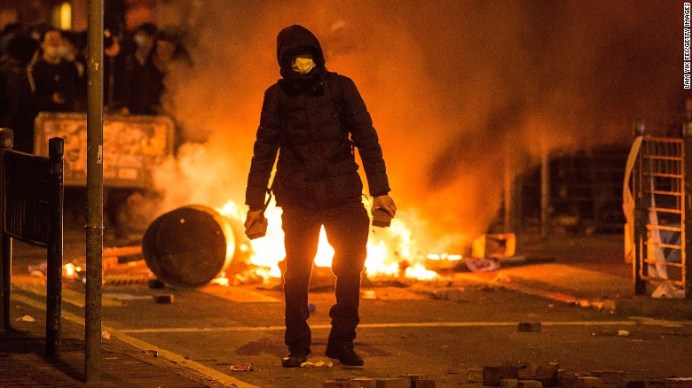
Of course, my comments here should not be interpreted as making excuses for rioters. Smashing up the property of innocent small business owners—or worse, physically harming innocent people—is reprehensible in all circumstances. But this isn’t about making excuses. We’re talking about avoiding extreme and immoral government policies (i.e., police-enforced lockdowns) that remove those institutions and conditions which are important in helping minimize conflict.

Some may insist that the riots would have occurred no matter what, but it’s easy to see how the lockdowns made a bad situation worse. Yes, some of the rioters are lifelong thugs who are always on the lookout for new opportunities to steal and maim. But experience suggests that the pool of people willing to engage in riots is often larger during periods of mass unemployment than during other periods. In addition, those people who exist on the margins of criminality—the sorts of people for whom third places serve an important role in moderating their more antisocial tendencies—are more likely to be swept up in these events when third places are abolished. And, as we have seen, lockdowns also create more opportunities for police abuse that ignite riots of the sort we’ve seen in recent days.

It’s true the responsibility for the riots lies primarily with the rioters. But we cannot deny that policymakers fuel the flames of conflict when they outlaw jobs and destroy people’s social support systems by cutting them off from their communities. It’s also wise to not provoke people by pushing for widespread human rights violations and additional police harassment. But this is what lockdown advocates have done, and their imprudence should not be forgotten.

Source: MISES

Infographic: How the Chinese Regime Colluded With WHO During the Pandemic | The Epoch Times

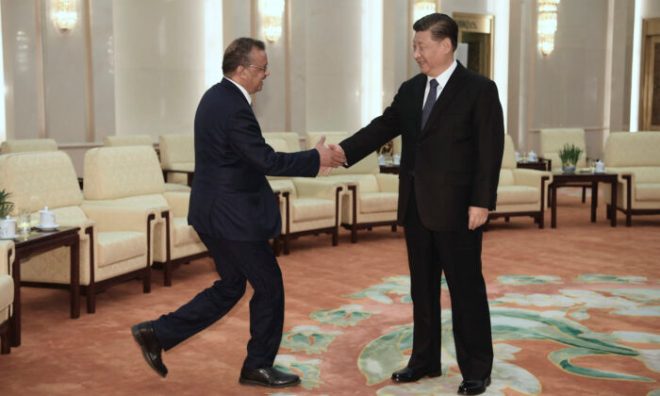
Director General Of The World Health Organization, Tedros Adhanom, Visit To BeijingSince the Chinese Communist Party virus (CCP virus, commonly known as novel coronavirus) first broke out in Wuhan, China, the World Health Organization (WHO) repeated the Chinese regime’s talking points. It initially parroted the Chinese regime’s official statements that there was little or no risk of human-to-human transmission of the virus. Mounting evidence, including from leaked internal documents, however, shows that the regime knew about the outbreak’s severity and hid it from the public. The virus has since spread to more than 200 countries and territories, with more than 4 million people infected and more than 300,000 deaths worldwide.

[INFOGRAPHIC HERE]

A growing number of countries are calling for an evaluation of the WHO’s pandemic response.

Source: The Epoch Times