
Scientists warn of toxic chemical cocktail sprayed on food | GM Watch


As the number of chemicals applied to vegetables sold in supermarkets goes up 17-fold, experts say pesticides must be phased out of food production. Report by Claire Robinson

The number of chemicals applied to vegetables sold in supermarkets has increased by up to 17-fold over 40 years, according to data presented at a conference organized by the Epidemiology and Public Health Section of the Royal Society of Medicine in London on 20 November, which I attended on behalf of GMWatch.

Just as disturbing as the data on our escalating exposure to toxic pesticide mixtures was the evidence presented at the conference that the regulatory system for pesticides is failing.

Scientists explained that while the system tests the single active ingredients in pesticides, it fails to test the many accompanying chemicals (adjuvants) used in pesticide formulations to enhance the effectiveness of the active ingredients. It also fails to test the combined effects of the formulations of chemicals used in commercial pesticides, let alone the cocktail effect of being exposed to multiple pesticides, as most farmers, rural residents and consumers are.

Indeed, as one scientist pointed out, there are simply too many potential combinations of chemicals to test and regulate. Nor, we heard, does the regulatory system test low, realistic doses of these chemicals that may give rise to endocrine (hormone) disruption, which can in turn lead to serious illnesses that are increasing in the population.

Because of these facts, there is simply no way of ensuring the safe use of pesticides in agriculture.

Chemical cocktails increasing

Figures released for the first time at the conference showed that the number of toxic chemicals applied to onions, leeks, wheat and potatoes has been steadily increasing since the 1960s.

This is despite industry data showing that the volume of pesticides applied to supermarket vegetables has halved since the 1990s.

The number of pesticides applied to onions and leeks has risen 17-fold from 1.8 in 1966 to 32.6 in 2015, the data showed.

In 1974, fewer than two chemicals were applied to the average wheat crop, but this rose more than 10-fold to 20.7 in 2014. Potatoes are now sprayed with five times more chemicals than in 1975, with the number rising from 5.3 to 30.8 in 2014.

The figures were compiled by the data firm Fera Science and were only made public after the Soil Association, which certifies organic food in the UK, paid for them to be released. While Fera did not measure actual residues present in the produce, the fact that so many pesticides were applied to the growing crops suggests that at least some residues would be found if they were looked for.
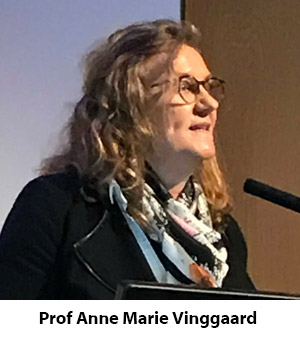
Anne_Marie_Vinggaard

The conference followed the publication of an article in the journal Science by Prof Ian Boyd, chief scientific advisor to the UK government’s department of agriculture (DEFRA). Prof Boyd wrote that the assumption by regulators around the world that it is safe to use pesticides at industrial scales across landscapes is false.

Scientist Prof Anne Marie Vinggaard of the National Food Institute in Denmark warned that chemicals that have no effect in isolation can have a pronounced toxic effect when found in mixtures. In real life we are exposed not to one chemical at a time but to mixtures. In addition, commercial pesticide formulations, many of which are endocrine disruptors, are themselves mixtures of active ingredients and adjuvants. “We are exposed to a lot of chemicals acting together,” said Prof Vinggaard. “We must take account of this cocktail effect.”

But pesticide regulations fail to do so.
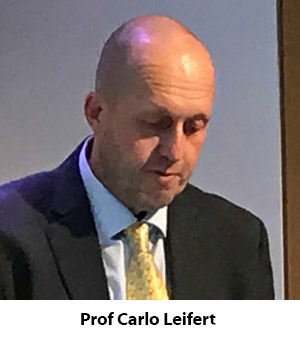
Carlo Leifert

Pesticides linked to low sperm quality

Prof Carlo Leifert, director of the Centre for Organics Research at Southern Cross University in Australia, cited research showing higher sperm counts and density in men working for the Danish organic farming association and a separate US study showing that high levels of dietary pesticide exposure were linked to low sperm quality in men.

Prof Leifert’s presentation came soon after the publication of a study implicating pesticide-treated foods in fertility problems in women. In the study, published in JAMA Internal Medicine, Harvard researchers followed 325 women at an infertility clinic and found that women who regularly ate pesticide-treated fruits and vegetables had lower success rates getting pregnant with IVF, while women who ate organic food had reduced risk of pregnancy loss and increased fertility.

Eat organic to minimize exposure

Dr Michael Antoniou

Dr Michael Antoniou, head of the Gene Expression and Therapy Group at King’s College London, told the Royal Society of Medicine conference that the adjuvants in commercial pesticide formulations can be toxic in their own right and in some cases more toxic than the declared active ingredients. Yet only the active ingredients are tested and assessed for long-term health effects in the regulatory process.

Dr Antoniou also said that research on hormone-disrupting chemicals, including pesticides, shows that very low realistic doses can be more toxic than higher doses. As pesticides are not tested for low dose effects for regulatory purposes, these effects can be missed by regulatory agencies, leading to a situation in which the public can be exposed to hormone-disrupting levels of these chemicals. This is a matter of concern because hormone disruption is implicated in a large number of diseases that are becoming increasingly widespread, such as hormone-related cancers, obesity, and diabetes.

Dr Antoniou said that regulators around the world have been slow to keep up with the scientific knowledge of harm from low doses of endocrine disrupting chemicals. These effects are not controversial in the scientific community and yet the EU has still not decided how to define endocrine disruptive chemicals, let alone how to regulate them.

Dr Antoniou described his research showing that long term exposure to very low doses of Roundup herbicide far below regulatory permitted levels caused non-alcoholic fatty liver disease (NAFLD) in rats. NAFLD has now reached epidemic proportions in the US and Europe, with around 25% of the population suffering from it.

Dr Antoniou told the audience, which included doctors who treat chemically damaged people, “As a precaution, you should minimise your exposure to pesticides. The only way to guarantee that is by eating organically.”

Industry perspectives

Sarah Mukherjee

Occasions like this are often interesting from the point of view of finding out the industry line on the scientific and public relations challenges it is facing, and this event was no exception. One such line was offered by Sarah Mukherjee, CEO of the Crop Protection Association (CPA). Mukherjee is a former BBC journalist who began her presentation by stating that she had no scientific background. Her presentation consisted of emotive stories of her deprived childhood, with the implication that organic food is a luxury that only the affluent can afford and that pesticides were needed to ensure an affordable food supply for all. She did not address any of the scientific points presented by the earlier speakers. In fact, she was not present for those sessions and only arrived later in the day.

The tone and content of her presentation did not sit well with the detailed information on the proven effects of low-dose pesticides provided by the scientist speakers in the morning sessions. It was remarkable for its failure to offer any evidence at all to back up Mukherjee’s premise that we are better off with pesticides.

Glyphosate and cancer

Mukherjee’s closest brush with science was an attempt to exonerate glyphosate herbicides from suspicion of carcinogenicity by quoting the latest updated findings from the Agricultural Health Study (AHS) in the US. These found no link between glyphosate and non-Hodgkin’s lymphoma, a type of cancer. Mukherjee used these findings as a stick to beat IARC, the World Health Organization cancer agency that upset the pesticide industry by concluding that glyphosate was a probable carcinogen.

But what Mukherjee failed to mention was that the study update did find a link between glyphosate and another type of cancer, acute myeloid leukemia (AML) – a link that the researchers said should be followed up with further research. She also did not mention a fact pointed out by the scientist Dr Jennifer Sass – that while the link did not reach statistical significance at the 95% confidence level (a 95% certainty that the findings are not by chance but point to a real effect of glyphosate), at the 90% confidence level it would have been significant. As Sass commented, “With a deadly form of cancer like AML, pesticide applicators, farmers, and other highly exposed people may want to take protective measures, even if studies are only 90% confident in the link to AML cancer.”

Mukherjee also failed to mention that IARC took the AHS’s “no effect” finding from glyphosate into consideration in its assessment of glyphosate, since previous findings from the AHS that were already published at the time of IARC’s review had also found no effect. Other epidemiological studies did find a link between glyphosate and non-Hodgkin’s lymphoma. This contradictory evidence is why IARC said there was only “limited” proof of a glyphosate link with cancer from epidemiological studies. However, it classified glyphosate as a probable carcinogen on the basis of “sufficient” evidence in controlled laboratory studies on animals. These types of study, unlike epidemiological studies, demonstrate a causal link and are therefore a far stronger form of evidence.

I was not the only audience member to conclude that Mukherjee was seriously out of her depth among a speaker line-up of heavyweight scientists, addressing an audience of scientists, medics, and experts from relevant fields. One scientist told me he was shocked that the CPA chose to send Mukherjee as its representative to such an event: “Couldn’t they find a scientist who was willing to take this on?”

Is organic food elitist?

Mukherjee’s “organic food is elitist” meme did not play well with me. I speak as someone who at one point in my life lived in a partnership in which neither of us had any income or savings and we had to survive off very meagre state benefits. Yet we ate organic 100% of the time. We did it by cooking fresh food from scratch each day (it didn’t take much time), buying via farm box delivery schemes rather than from supermarkets, eating mostly vegetarian, and – obviously – not spending money on luxuries.

On our occasional forays to the supermarket to buy loo rolls and cleaning fluids, we were gobsmacked at the large amounts of money being spent on the weekly shop by families with trolleys full of processed food. Even without getting into discussions about the “externalized” costs of eating pesticide-contaminated food, such as getting sick, we simply could not afford that type of food. So who exactly were the elite in this situation? Certainly not us. This is just one example among many of Mukherjee’s irrational and frankly insulting approach to the vital topic of food security.

Dr Chris Hartfield

Speakers in support of pesticide safety

The other people speaking in support of the safety and benefits of pesticides were Dr Chris Hartfield of the National Farmers Union (NFU) and Dave Bench of the UK government’s Health and Safety Executive.

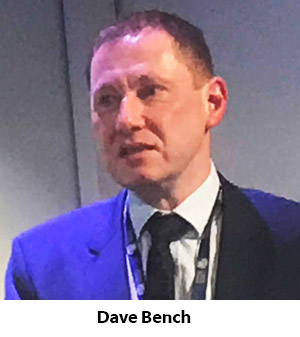
Mr Bench described the regulatory system for pesticides, which he portrayed as robust and as balancing the risks of pesticides against the benefits to society.

Dr Hartfield showed a long list of Integrated Pest Management (IPM) techniques, in which pesticides are only sprayed as a last resort as and when absolutely necessary. He said that 16,820 farmers in the UK are using these techniques on 4.4 million hectares of land.
Dave BenchHowever, members of the audience were skeptical of this claim. Guy Watson, an organic farmer from Riverford Farm in Devon, said that his conventional farmer neighbour laid out his spraying schedule well in advance of the growing season and that all the pesticides were sprayed in accord with the schedule, whether they were needed or not. He suspected that farmers’ practice of IPM was confined to a paper exercise that was not borne out by the reality in the fields.

Mr Watson’s skepticism about UK farmers’ use of IPM was amply supported by the data presented at the conference showing the increasing numbers of pesticides sprayed on our food.

Some members of the audience who suffered repeated exposures to pesticide spraying because they lived near treated fields agreed that a cavalier attitude to the use of pesticides seemed to be the norm among conventional farmers.

Georgina Downs of the UK Pesticides Campaign, which represents rural residents affected by pesticides sprayed in their localities, commented after the conference: “There was the usual gross misinformation stated by the CPA and the NFU – most importantly their insistence that there is a rigorous regulatory system in place for pesticides. There simply is not, and this lie cannot continue to be peddled.

“The conventional chemical farming system has been an untested, unregulated, and unlawful experiment with human health and the environment that has caused untold damage.”

Is farming without pesticides possible?

Agro-industry lobbyists would have us believe that farmers cannot manage without pesticides. What is more, they claim that even organic farmers regularly spray a vast array of pesticides permitted under organic standards. But this picture is far from the reality. Most organic farmers do not spray because they take other measures to protect their crops, such as rotating crops to prevent attacks from over-wintering pests, using barrier methods against pests, cultivating hedges and plants to attract insects and animals that eat pests, and planting cover crops to suppress weeds.
Peter Melchett

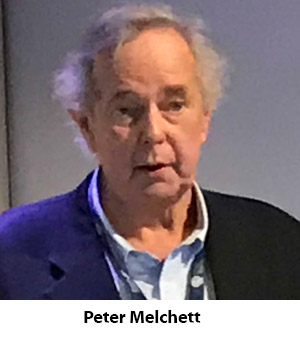
This was confirmed by the final speaker at the conference, Peter Melchett, who has been an organic farmer for 19 years and a conventional farmer before that. He said that since converting to organic he has only had to spray a single field once. The one lapse was due to his mistake in planting two related crops in the same field two years running. A pest over-wintered in the field, only to emerge the following year to devour the new crop. Mr Melchett said he never repeated his mistake – and has never had to spray again.

Take-home message

The take-home message from the non-industry speakers at the conference was that the regulatory system for pesticides has failed and cannot be reformed in a way that renders these chemicals safe. As we’ve seen, the system does not test the adjuvants, or the commercial pesticide formulations, or the chemical cocktails to which we are exposed. Neither does it test low, realistic doses that may give rise to endocrine disruption. Therefore pesticides must be eradicated from food production and farming must be entirely converted to proven-successful organic and agroecological practices.

Source: GM Watch

The Government Is Covering Up Vaccine Deaths | NewsPunch

Editor’s Note: Robert F. Kennedy Jr. is continuing his personal crusade against Big Pharma and Big Government collusion, authoring a hard-hitting article explaining that the government are withholding information from the public about vaccines – and covering up vaccine deaths – in order to protect pharmaceutical companies.

Vaccine scientists and the public health community cautiously and occasionally will admit that vaccines can cause adverse reactions just like “any other medication or biological product.” Although experts are less willing to openly disclose the fact that adverse reactions can and do include death, one has only to look at reports to the U.S. Vaccine Adverse Event Reporting System (VAERS) to see that mortality is a possible outcome.

From 1990 through 2010, for example, VAERS received 1,881 reports of infant deaths following vaccination, representing 4.8% of the adverse events reported for infants over the 20-year period.

Moreover, analysts acknowledge that VAERS, as a passive surveillance system, is subject to substantial underreporting. A federal government report from 2010 affirms that VAERS captures only about 1% of vaccine adverse reports.

On the international frontier, the public health community—with the World Health Organization (WHO) in the vanguard—previously used a six-category framework to investigate and categorize serious adverse events following immunization (AEFI), including death.

Guided by this tool, public health teams examined temporal criteria and possible alternative explanations to determine whether the relationship of an AEFI to vaccine administration was “very likely/certain,” “probable,” “possible,” “unlikely,” “unrelated,” or “unclassifiable.”

In 2013, the WHO’s Global Advisory Committee on Vaccine Safety discarded the prior tool, ostensibly because users “sometimes [found it] difficult to differentiate between ‘probable,’ ‘possible,’ and ‘unlikely’ categories.” The WHO enlisted vaccine experts to develop a “simpler” algorithm that would be more readily “applicable” to vaccines. The resulting four-category system now invites public health teams to classify an AEFI as either “consistent,” “inconsistent,” or “indeterminate” with a vaccine-related causal association or as “unclassifiable.”

Despite the patina of logic suggested by the use of an algorithm, “the final outcome of the case investigation depends on the personal judgment of the assessor” [emphasis added], especially (according to the tool’s proponents) when the process “yields answers that are both consistent and inconsistent with a causal association to immunization.”

In a 2017 letter in the Indian Journal of Medical Ethics, Drs. Jacob Puliyel (an India-based pediatrician and member of India’s National Technical Advisory Group on Immunization) and Anant Phadke (an executive member of the All India Drug Action Network) raise important questions about the revised tool.

They describe an Orwellian Catch-22 situation wherein it is nearly impossible to categorize post-vaccine deaths as vaccine-related. This is because the revised algorithm does not allow users to classify an AEFI as “consistent with causal association with vaccine” unless there is evidence showing that the vaccine caused a statistically significant increase in deaths during Phase III clinical trials.

By definition, however, any vaccine not found to “retain safety” in Phase III trials cannot proceed to Phase IV (licensure and post-marketing surveillance). The result of the algorithm’s convoluted requirements is that any deaths that occur post-licensure become “coincidental” or “unclassifiable.”

Drs. Puliyel and Phadke describe what happened in India when the country’s National AEFI committee assessed 132 serious AEFI cases reported between 2012 and 2016, including 54 infant deaths that followed administration of a pentavalent all-in-one vaccine intended to protect recipients against diphtheria, tetanus, pertussis, hepatitis B, and Haemophilus influenzae type b infections. For babies who survived hospitalization, the committee classified three-fifths (47/78) of the AEFI as causally related to vaccines (with 47% of the incidents viewed as “product-related” and 13% as “error-related”), but they rated nearly all (52/54) of the deaths as either coincidental (54%) or unclassifiable (43%) despite mounting evidence that pentavalent and hexavalent vaccines are increasing the risk of sudden unexpected death in infants.

…doctors who “naïvely” accept biased reports on vaccine safety “are losing the trust of the public and in the process…endangering public health.”
The absurdity and negligence inherent in the ultimately subjective WHO checklist have not escaped the attention of others in India and beyond. In a series of comments published in the journal Vaccine in response to the 2013 publication of the revised tool, commenters issued the following scathing remarks:

  • “Even if a healthy child dies within minutes following vaccination and there is no alternate explanation for the AEFI, even then the powers that be could easily declare that death as coincidental and not due to the vaccine, thanks to the new AEFI. This is dangerous ‘science’.”
  • “Amongst the 20 items of their checklist, no less than 15 (75%) are devoted to refute a vaccine-induced causality [emphasis in original]…. After all and as the authors confess with an astonishing ingenuousness, the main point is to ‘maintain public confidence in immunization programs.’”
  • “People understand that there are no true coincidences—only events that have been made to appear to be coincidental by either a genuine lack of understand[ing] of the overall facts leading to the ‘coincidence’ reported or by the deliberate suppression of the facts, including when…AEFIs that result in death are made to ‘disappear.’”
  • “It seems that huge business in [the] vaccine industry is affecting [the] science of vaccines and we are developing various ways to promote the business at the cost of human lives. …Going for a less sensitive tool for safety concerns is not only illogical but risky for the children of the world.”

Unfortunately, many vaccine proponents appear to be more concerned with forestalling “misconceptions” and “erroneous conclusions about cause and effect” than they are about preventing and identifying adverse events following vaccination. The result, as Dr. Puliyel argues, is that doctors who “naïvely” accept biased reports on vaccine safety “are losing the trust of the public and in the process…endangering public health.”

Source: NewsPunch

Toxic Exposure: Chemicals Are in Our Water, Food, Air and Furniture | UC San Francisco


When her kids were young, Tracey Woodruff, PhD, MPH, knew more than most people about environmental toxics. After all, she was a senior scientist at the Environmental Protection Agency (EPA). But even she never dreamed, as she rocked her children to sleep at night, that the plastic baby bottles she used to feed them contained toxic chemicals that could leach into the warm milk.

Back then, in the late 1990s, it wasn’t widely known that the chemicals used in plastic sippy cups and baby bottles can potentially disrupt child development by interfering with the hormone system. That, in turn, could alter the functionality of their reproductive systems or increase their risk of disease later in their lives.

“When I had babies, I did many of the things we now tell people not to do,” says Woodruff, who for the past decade has been the director of UC San Francisco’s Program on Reproductive Health and the Environment (PRHE). Also a professor in the University’s Philip R. Lee Institute for Health Policy Studies, she earned her doctorate in 1991 from a joint UCSF-Berkeley program in bioengineering and then completed a postgraduate fellowship at UCSF.

Woodruff’s children have since grown into physically healthy teenagers, but many children are not as lucky. Unregulated chemicals are increasing in use and are prevalent in products Americans use every day. Woodruff is concerned by the concurrent rise in many health conditions, like certain cancers or childhood diseases, and the fact that the environment is likely to play a role in those conditions. What motivates her is the belief that we need to know more about these toxics so we can reduce our exposure to the worst of them and protect ourselves and our children from their harmful effects. (Woodruff points out that the word “toxics” as a noun means any poisonous substances, from either chemical or biological sources, whereas “toxins” are poisons only from biological sources, either plant or animal.)

The PRHE is dedicated to identifying, measuring and preventing exposure to environmental contaminants that affect human reproduction and development. Its work weaves together science, medicine, policy and advocacy.

For example, research over the past 10 years by UCSF scientists and others has showed that bisphenol A (BPA) – an industrial chemical used since the 1950s to harden plastics in baby bottles, toys and other products – is found in the blood of those exposed to items made with BPA and that it can harm the endocrine systems of fetuses and infants. As a result, the Food and Drug Administration (FDA) outlawed BPA in baby products in 2012, and some manufacturers developed BPA-free products. But now scientists believe the chemicals that replaced BPA may be just as harmful.

Furthermore, BPA is only one in a long, long list of chemicals we encounter every day in our homes, schools, workplaces and communities. And scientists have barely scratched the surface of understanding them. Of the thousands and thousands of chemicals registered with the EPA for use by industry, the agency has regulated only a few.

“In the last 50 years, we have seen a dramatic increase in chemical production in the United States,” Woodruff explains. Concurrently, there’s been an increase in the incidence of conditions like attention deficit hyperactivity disorder (ADHD), autism, childhood cancers, diabetes and obesity. “It’s not just genetic drift,” Woodruff maintains.

And we’re all at risk from increasing chemical exposure. The water we run from our taps, the lotion we smear on our skin, the shampoo we rub in our hair, even the dust in our houses is full of synthetic chemicals.

Preventing Exposure in Babies

PRHE experts do more than just measure such trends. They also collaborate with clinical scientists and obstetricians at Zuckerberg San Francisco General Hospital (ZSFG), so their findings directly benefit pregnant patients. “We partner with the clinical scientists,” explains Woodruff, “because they look at treatments for disease, and environment might be a missing factor in the cause and prevention of disease.”

The water we run from our taps, the lotion we smear on our skin, the shampoo we rub in our hair, even the dust in our houses is full of synthetic chemicals.

Though environmental toxics affect us all, there’s a reason PRHE focuses on pregnant women and children, Woodruff adds. Exposure to even tiny amounts of toxic substances during critical developmental stages can have outsize effects. So exposure to toxics is especially detrimental to fetuses, infants and young children, as well as preteens and teenagers.

“If you prevent the problem at the beginning, you get a lifetime of benefits,” says Woodruff.

The U.S. Centers for Disease Control and Prevention (CDC) began measuring human exposure to chemicals in 1976. These so-called “biomonitoring” studies found a range of toxics in subjects’ blood and urine – substances like DDT, BPA, air pollutants, pesticides, dioxins and phthalates. Phthalates, for example, are a class of chemicals known to be endocrine disruptors but widely used as softeners in plastics and as lubricants in personal-care products. Biomonitoring has determined that women of reproductive age evidence higher levels of phthalates than the population at large. One reason, says Woodruff, is that young women use more products like perfume, deodorant, shampoo and conditioner.

Woodruff herself recently led a study in which UCSF researchers collected blood samples from pregnant women at ZSFG. After the women delivered their babies, the researchers collected umbilical cord blood samples – and discovered that almost 80 percent of the chemicals detected in the maternal blood samples had passed through the placenta to the cord blood. It was the most extensive look yet at how the chemicals that pregnant women are exposed to also appear in their babies’ cord blood (and followed an earlier study by Woodruff that marked the first time anyone had counted the number of chemicals in the blood of pregnant women). Published in the Nov. 1, 2016, print edition of Environmental Science and Technology, the study also found that many chemicals were absorbed at greater levels by the fetuses than by the pregnant women.

Now, Woodruff is hard at work on a new grant from the federal Environmental Influences on Child Health Outcomes (ECHO) Program. It aims to correlate children’s exposure to toxics with their developmental outcomes from birth to age four.

The good news is that the work done by Woodruff and her team shows a clear impact. Following bans (some permanent and some temporary) on certain phthalates, for example, UCSF researchers measured declines in the urinary concentrations of the permanently banned types in a representative sample of the U.S. population.

Crusader for a Healthy Environment

Woodruff speaks at the Stand Up For Science Teach-InWoodruff’s degree is in engineering, and she notes that in the 1980s, when she was in school, a lot of engineers went into the defense industry. “People talk about joining the military to serve their country,” Woodruff says. “I also wanted to do something positive for society, and I felt joining the EPA was the best way to serve my country.”



She spent 13 years at the federal agency, as a scientist and policy advisor, studying the effects of air pollution on children’s health. The topic interested her, she says, “because children are vulnerable and can’t speak for themselves.” Her analysis of data collected under the Clean Air Act, for example, found that air pollution is linked to infant mortality. She also determined that pregnant African American women had higher exposure to air pollution and more adverse pregnancy outcomes than the population at large.

Nearly 25 years later, her work at UCSF is motivated by the same sense of advocacy and zeal. She joined the PRHE in 2007, shortly after its founding by Linda Giudice, MD, PhD. “What we do,” she says, “is bring the best scientific tools from the varied fields at UCSF to bear on uncovering and better understanding the links between the environment and health and translate that science into prevention by improving public policy.”

While Woodruff has many influential scientific publications to her name, she’s also a sought-after guest for radio interviews and talk shows. She even appeared in a popular 2013 documentary, The Human Experiment, narrated by Sean Penn. In response to questions from the public, she tries to strike a practical note. “You don’t want to freak people out,” she says. “At the same time, people assume if they can buy it, it’s safe. That is just not the case.”

In her own home in Oakland, Woodruff has made slow changes over time. “I got rid of carpet. … The padding can contain toxic chemicals. I waited to buy a couch … too long according to my family,” she laughs. (Couches without flame-retardants didn’t become available in California until after the state changed its flammability standard in 2014, making it possible to sell couches that are flammability-safe but are made without flame-retardant chemicals.) “I still have a couch that probably has flame-retardants, but I am just ignoring it. We eat mostly organic to reduce pesticide exposure. Less is more in personal-care products,” she adds.

Does she make her own shampoo?

“Oh, my God, no,” she answers. “Who has the time? This should not be a burden to people. Systems should be in place so that we can be free of the burden. This is why we need the EPA, and this is where policy comes in.”

Policies for the People

“It’s important for people to realize there are things you can do to lower your exposure to toxic chemicals, but some things you can’t do.”

For example, Woodruff explains, Americans would have had a hard time limiting their exposure to lead before leaded gasoline became illegal in 1996 (though the phaseout started in the mid-1970s). Until then, no amount of personal awareness could protect someone from lead – it was in the air that everyone breathed.

We do not always consider EPA a public health agency, but it is.

Tracy Woodruff, PhD, MPH

Director of UCSF’s Program on Reproductive Health and the Environment (PRHE)

She offers another example specific to the PRHE’s efforts. “When California outlawed flame retardants,” she says, “we saw levels decrease by about two-thirds in the blood of pregnant patients at ZSFG. Through these studies, we can evaluate the effectiveness of public policy. It’s clear that when the government acts to reduce exposures to toxic chemicals … we see a positive change. We do not always consider EPA a public health agency, but it is.”

Woodruff and her colleagues also have been working over the last several years to help strengthen the federal Toxic Substances Control Act (TSCA) of 1976. It was well recognized that the law was flawed and allowed thousands of chemicals to be used in the marketplace without testing for safety, she explains. When bipartisan calls to strengthen the law led Congress to amend it in 2016, PRHE experts partnered with obstetricians and gynecologists to provide scientific evidence about the need for improved standards, deadlines and transparency. As rules for the amended TSCA are rolled out over the next two years, “we’ll be right in there to promote the use of science for the public’s health,” says Woodruff.

She’s also bringing environmental toxics to the attention of her UCSF colleagues in other disciplines. “One of the reasons we love being at UCSF is we can learn from people who are doing completely different things,” she says. For example, she is working with researchers who study the placenta, since her 2016 study showed that environmental toxics permeate the placenta. And with developmental biologist Diana Laird, PhD, an associate professor in the Center for Reproductive Sciences, Woodruff is co-leading the Environmental Health Initiative (EHI). The EHI’s goal is to involve researchers from throughout UCSF – from the biological, population and translation sciences – in solving and preventing the environmental burden of disease, starting with ensuring healthy pregnancies.

“The EHI will link faculty across the campus, to add an environmental component to their work,” Woodruff says. “We have already hosted several networking events and symposia with the Research Development Office toward our goal of ‘norming’ the environment within the research community. We want people to be saying, ‘We need to address the environmental consequences to fully solve health issues.’”

“This is about prevention,” she concludes. “People talk about nutrition and social competencies of health. There’s another thing, which is the physical environment. The missing ingredient is toxics in the environment.”

Source: UC San Francisco

Court Rules Against Monsanto, Allows California To Put Cancer Warning On Roundup | CBS Sacramento

California can require Monsanto to label its popular weed-killer Roundup as a possible cancer threat despite an insistence from the chemical giant that it poses no risk to people, a judge tentatively ruled Friday.

California would be the first state to order such labeling if it carries out the proposal.

ALSO READ: Cancer Patient Donates Year’s Worth Of Pizza He Won To Food Bank

Monsanto had sued the nation’s leading agricultural state, saying California officials illegally based their decision for carrying the warnings on an international health organization based in France.

Monsanto attorney Trenton Norris argued in court Friday that the labels would have immediate financial consequences for the company. He said many consumers would see the labels and stop buying Roundup.

“It will absolutely be used in ways that will harm Monsanto,” he said.

After the hearing, the firm said in a statement that it will challenge the tentative ruling.

ALSO READ: What Is The EPA And Why Is It In The Hot Seat With Donald Trump?

Critics take issue with Roundup’s main ingredient, glyphosate, which has no color or smell. Monsanto introduced it in 1974 as an effective way of killing weeds while leaving crops and plants intact.

It’s sold in more than 160 countries, and farmers in California use it on 250 types of crops.

The chemical is not restricted by the U.S. Environmental ProtectionAgency, which says it has “low toxicity” and recommends people avoid entering a field for 12 hours after it has been applied.

But the International Agency for Research on Cancer, a Lyon, France-based branch of the U.N. World Health Organization, classified the chemical as a “probable human carcinogen.”

Shortly afterward, the most populated U.S. state took its first step in 2015 to require the warning labels.

St. Louis-based Monsanto contends that California is delegating its authority to an unelected foreign body with no accountability to U.S. or state officials in violation of the California Constitution.

Attorneys for California consider the International Agency for Research on Cancer the “gold standard” for identifying carcinogens, and they rely on its findings along with several states, the federal government and other countries, court papers say.

Fresno County Superior Court Judge Kristi Kapetan still must issue a formal decision, which she said would come soon.

California regulators are waiting for the formal ruling before moving forward with the warnings, said Sam Delson, a spokesman for the state Office of Environmental Health Hazard Assessment.

Once a chemical is added to a list of probable carcinogens, the manufacturer has a year before it must attach the label, he said.

Teri McCall believes a warning would have saved her husband, Jack, who toted a backpack of Roundup for more than 30 years to spray weeds on their 20-acre avocado and apple farm. He died of cancer in late 2015.

“I just don’t think my husband would have taken that risk if he had known,” said Teri McCall, one of dozens nationwide who are suing Monsanto, claiming the chemical gave them or a loved one cancer.

But farmer Paul Betancourt, who has been using Roundup for more than three decades on his almond and cotton crops, says he does not know anyone who has gotten sick from it.

“You’ve got to treat it with a level of respect, like anything else,” he said. “Gasoline will cause cancer if you bathe in the stuff.”

Source: CBS Sacramento

Dangerous chemicals hiding in everyday products | CNN

It was long believed that you could acquire “better living through chemistry.” But that may really not be the case. In a landmark alliance, known as Project TENDR, leaders of various disciplines have come together in a consensus statement to say that many of the chemicals found in everyday products can result in neurodevelopmental disorders, including autism and attention-deficit disorders.

“Ten years ago, this consensus wouldn’t have been possible, but the research is abundantly clear,” said Irva Hertz-Picciotto, an environmental epidemiologist at the University of California, Davis and co-chairwoman of Project TENDR.

BPA-free plastic alternatives may not be safe as you think

“At some point, we say we know enough to take preventative action,” said Frederica Perera, a professor of environmental health sciences at Columbia University. Perera is also a signatory on the statement.

Last year, the International Federation of Gynecology and Obstetrics (PDF) stated that “Widespread exposure to toxic environmental chemicals threatens healthy human reproduction.” Other medical groups such as the Endocrine Society (PDF), the world’s oldest and largest organization devoted to researching hormones, have expressed similar concerns.

But this is the first time that leading scientists, doctors and policy advocates across various disciplines have come together to say that the science on toxic chemicals is clear: They can harm brain development.

Everyday chemicals carry toxic burden

These everyday chemicals, including organophosphates, flame retardants and phthalates, can be found in food, plastics, furniture, food wrap, cookware, cans, carpets, shower curtains, electronics and even shampoo. They are pretty much everywhere around us.

Scientists and researchers are concerned that many of these chemicals may be carcinogenic or wreak havoc with our hormones, our body’s regulating system. But the impact of these chemicals may be most severe on the developing brain, Perera said.

Brain development is the “most complete and most rapid during the first nine months, prenatally,” she said. During that time, neural connections and pathways are being developed.

“Any interference by a physical stress like a toxic chemical or other stressor can disrupt this natural progression that is so very delicate and complex,” explained Perera.

Though the group hopes to come up with regulatory recommendations to reduce this toxic burden, there are some simple things that inpiduals can do to reduce their exposure.

Chemicals to watch for

Organophosphate pesticides

Organophosphate pesticides (PDF) are a class of neurotoxic chemicals used as warfare agentsin the 1930s. However, today, they account for about half of all pesticide use in the United States. And they can make their way onto crops that we use as food sources. Areas that spray pesticides heavily, such as farms, may find higher rates of exposure.

Children exposed to higher levels of these pesticides have been found to have higher rates of attention-deficit hyperactivity disorder.

You can reduce your exposure to them by eating organic and using alternative pest control methods.

Phthalates

These chemicals soften plastics and help scents and chemicals bind together.

Exposure to phthalates has been associated with lower IQ levels.

They can be found in shampoos, conditioners, body sprays, hair sprays, perfumes, colognes, soap, nail polish, shower curtains, medical tubing, IV bags, vinyl flooring and wall coverings, food packaging and coatings on time-release pharmaceuticals.

You can reduce your exposure to phthalates by using unscented lotions and laundry detergents, microwaving food in glass containers rather than plastic, using cleaning supplies without scents, and avoiding air fresheners and plastics labeled as No. 3, No. 6 and No 7.

Polybrominated diphenyl ethers

These chemicals are used as flame retardants, chemicals that can slow the speed of a flame. They can be found in televisions, computers, insulation and foam products, including children’s toys and baby pillows.

Products can shed ethers that can accumulate in dust. Exposure to these ethers have been associated with thyroid issues.

There isn’t a directory that lists which products have these ethers, but consumers may still be able to reduce exposure by looking for products that advertise themselves as free of flame retardant. These chemicals were found in a lot of older foams, so replace products such sofas and pillows that have exposed foam. And use a high-efficiency HEPA filter vacuum to clean up dust.

Air pollutants

Air pollution from burning fossil fuels such as coal, oil or gas is usually associated with respiratory issues. However, these pollutants can also include nitrogen dioxide, formaldehyde and benzene.

Higher exposure to air pollutants has been associated with lower birth weights, preterm deliveries and congenital heart defects. The World Health Organization (PDF) considers exposure to benzene a major public health concern.

Aside from trying to avoid polluted areas, you can make sure to buy furniture and products that advertise themselves as formaldehyde-free. Try to avoid buying furniture made with particleboard, plywood or pressed wood. Many of these products use glues containing formaldehyde.

Lead

Lead is a naturally occurring metal. It was banned from gasoline in the 1970s but can still be found in older homes that used leaded paint. Lead can also make its way into water, because of corrosion from old water pipes. Lead is also used in a variety of products like industrial paints, car batteries and wheel weights.

Lead exposure has been associated with ADHD, lower IQs and developmental delay.

Infants and toddlers are at greatest risk for lead exposure because they frequently put their hands and toys in their mouths after they may be exposed to lead in dust.

Why lead is so dangerous for children

Find out if you have lead in your water by reaching out to your local water supplier or even getting an at-home test kit from a home improvement store. If your home was built before 1978, test your paint. If the paint is chipping or peeling, it will need to be stripped or covered.

Homeowners may want to consider using a professional who is lead-safe certified to help you. Parents can also talk to your doctor about having your children tested for lead if there is reason for concern.

Mercury

Mercury is a naturally occurring element, but it can also be released into the environment from the burning of coal and oil. Mercury can also be found in some household items such as thermometers, light bulbs and older-model clothes dryers and washing machines. Mercury in the environment can make its way into fish and shellfish. Some fish, such as some kinds of tuna, may have higher concentrations of mercury.

According to the Environmental Protection Agency, exposure to mercury in utero may impact memory, attention and cognitive skills.

While you can’t completely eliminate mercury from your environment, you can reduce your exposure to mercury by avoiding fish high in mercury. Try to use mercury-free thermometers. When getting rid of household items with mercury, reach out to your state or local household hazardous waste collection center for advice.

Polychlorinated biphenyls

Between 1929 and 1977, thousands of tons of polychlorinated biphenyls were used worldwide. Production of the chemical in the U.S. was banned by the EPA in 1977, but they can linger (PDF) in the environment for a long time and make their way into the food chain. These chemicals have been used as coolants and lubricants in electrical equipment because they are good insulators.

According to the Centers for Disease Control and Prevention, polychlorinated biphenyls are associated with cancer in occupational settings and has been associated with issues with motor skills and short term memory in children.

Much like mercury, they have made their way into our food sources, particularly fish and some meat. To avoid polychlorinated biphenyls in your food, the Environmental Defense Fund suggests, before cooking, removing the parts where toxic chemicals are likely to accumulate, such as the skin, fat and internal organs. When cooking, make sure to drain away fat and avoid drippings.

Source: CNN

Dr Peter Gøtzsche Exposes Big Pharma as Organized Crime | Health Impact News

Peter C Gøtzsche, MD exposes the pharmaceutical industries and their charade of fraudulent behavior, both in research and marketing where the morally repugnant disregard for human lives is the norm.

The main reason we take so many drugs is that drug companies don t sell drugs, they sell lies about drugs. This is what makes drugs so different from anything else in life… Virtually everything we know about drugs is what the companies have chosen to tell us and our doctors… the reason patients trust their medicine is that they extrapolate the trust they have in their doctors into the medicines they prescribe.

The patients don’t realize that, although their doctors may know a lot about diseases and human physiology and psychology, they know very, very little about drugs that hasn’t been carefully concocted and dressed up by the drug industry… If you don t think the system is out of control, please email me and explain why drugs are the third leading cause of death… If such a hugely lethal epidemic had been caused by a new bacterium or a virus,or even one-hundredth of it, we would have done everything we could to get it under control.

Peter C. Gøtzsche, MD is a Danish medical researcher, and leader of the Nordic Cochrane Center at Rigshospitalet in Copenhagen, Denmark. He has written numerous reviews within the Cochrane collaboration.

Source: Health Impact News

Radiation Protection | What Is Radiation

radiationprotection144Radiation protection is surprisingly easy. The primary concern for most people is not shielding from direct exposure as a nuclear power plant worker might experience. Instead, radiation protection from internal exposure is what matters to most people.

Simple Radiation Protection Steps:

Radiation Protection From Internal Exposure

Ever since the first atomic test, radionuclides have been accumulating in the environment but radiation protection has been only a passing concern.

Some radionuclides, such as Iodine-131 with a half life of 8 days, pose only a short-term threat. Although it is a good idea to keep one’s Iodine levels up as part of a healthy nutrition regimen, overdosing on Potassium Iodide in reaction to news reports is not recommended. The most vulnerable are infants and developing fetuses, since radioactive Iodine-131 bio-concentrates by a factor of 1,000 in their growing tissues. Three months later, the opportunity for radiation protection will have passed.

Most radionuclides have longer half-lives and constitute a greater threat over time. In particular as regards radiation protection:

  • Cesium-137 has a half-life of  about 30 years and chemically mimics Potassium in the body. This means that quantities as a result of atmospheric atomic testing are still present in the environment at somewhere between 10-25 percent of their original strength. Quantities created from the Chernobyl catastrophe are still present at about 50% of their original levels. This Cesium-137 can find its way into our bodies through consumption of fruits, vegetables and meats.
  • Strontium-90 has a half-life of about 28 years and chemically mimics Calcium in the body and thus shows up in the bones and teeth. This means that it is still present in the environment in quantities similar to Cesium-137.
  • Uranium-235 has a half-life of about 704 million years and chemically mimics Iron in the body. This means quantities released into the environment through atmospheric nuclear testing or nuclear accidents have not diminished substantially in their radioactivity over time.
  • Plutonium-239 has a half-life of about 24,000 years and chemically mimics Iron in the body. This means quantities released into the environment through atmospheric nuclear testing or nuclear accidents have not diminished substantially in their radioactivity over time.

Radiation protection for the above contaminants is accomplished through mineralization and chelation. Although these radionuclides have been accumulating in the environment since the first atomic test, it is difficult to establish direct cause-and-effect links between exposure and subsequent cancers for two reasons:

  1. There is a latency period of from 5 to 20 years between exposure and the appearance of associated cancers.
  2. Many consequences may be classified as “Stochastic Effects” meaning that chance plays a role. This means that statistically, cancers will show up as percentages within an exposed population, but it is difficult to predict individual outcomes.

Source: What Is Radiation?

Aetna announced last Friday that it was pulling out of Maryland’s health insurance exchange | Washington Examiner

Photo - Aetna announced last Friday that it was pulling out of Maryland’s health insurance exchange after regulators demanded that it slash premiums the company had proposed by 29 percent (AP/Wilfredo Lee)By Phillip Klein

Aetna, one of the nation’s largest insurers, announced last Friday that it was pulling out of Maryland’s health insurance exchange after regulators demanded that it slash premiums the company had proposed by 29 percent, the Baltimore Sun. The company, which recently purchased Coventry Health Care, said that it wouldn’t be able to cover its costs if it charged what regulators were demanding.

As I wrote in a column last month, a number of insurers have been opting not to participate in the health insurance exchanges created by President Obama’s health care law and in some cases, they have been exiting state individual insurance markets entirely.

For instance, Aetna – along with UnitedHealth – has already announced it was pulling out of the individual market in California. On July 19, Anthem Blue Cross, California’s largest insurer of small businesses, pulled out of the Obamacare small business exchange.

The design of Obamacare was premised on the idea that the new exchanges would attract many insurers, giving consumers a wide array of choices that would foster the type of competition that would drive down premiums. Instead, trends over the past few months suggest the law, if anything, will increase consolidation in state insurance markets.

And as an early an enthusiastic adopter of Obamacare, Maryland is a state that the law’s supporters are holding up as a model.

Source:  Washington Examiner

Top Children’s Vitamins Full of Aspartame, GMOs & Harmful Chemicals | Collective Evolution

flintstonesnewHow often are parents aware of the ingredients contained in the multivitamin that they feed their children? We often believe what we hear without ever questioning what mass marketing and media has to say about a product. In this case they have led thousands of parents to purchase multivitamins because they believe it has significant nutritional value. But do these vitamins truly provide nutritional benefit? If so, at what cost?

If we look at the Flintstones vitamin, (one of the top multivitamins in the United States) it contains a number of genetically-modified organisms (GMOs), aspartame, aluminum, petroleum-derived artificial colours and more. All of these ingredients are not optimal for health and can be very toxic. You can view the entire list of ingredients here.

Lets take a closer look at some of these ingredients.

Aspartame

Aspartame is known to damage the brain at any dose by leaving traces of Methanol in the blood. It makes you wonder why Aspartame has been approved as “safe” and is found in thousands of food products; not to mention children’s vitamins. It’s also linked to Lymphoma and Leukaemia. You can read more about that here and here (sources provided at the bottom). It’s basically a synthetic combination of the amino acids aspartic acid and I-phenylalanine. It’s known to convert into toxic methanol and formaldehyde in the body.  Hopefully this motivates you to further your research. If you are looking for specific studies, you can check out these ones published in the US National Library of Medicine:

(•) Consumption of artificial sweetener and risk of lymphoma and leukaemia
(•) Effect of chronic exposure to aspartame
(•) Long-term consumption of aspartame and brain antioxidant defense status
(•) Aspartame-induces impairment of spatial cognition and insulin sensitivity
(•) Synergistic interactions between food additives in a developmental neurotoxicity test
(•) Multipotential carcinogenic effects of aspartame

Sorbitol

Sorbitol is a synthetic sugar substitute which is classified as a sugar alcohol. The ingestion of higher amounts have been linked to gastrointestinal disturbances from abdominal pain to more serious conditions such as irritable bowel syndrome. You can view some studies related to Sorbitol below:

(•) Sorbitol intolerance in adults

(•) Sorbitol intolerance: an unappreciated cause of functional gastrointestinal complaints

(•) Sorbitol used as an osmotic cathartic has caused severe hypernatremia (elevation of sodium in the blood) in children

Hydrogenated Soybean Oil

Anything marketed to children that contains hydrogenated soybean oil is irresponsible. They are semi-synthetic fatty acids that incorporate themselves into our tissues. They’ve been linked to dozens of harmful health effects, from coronary artery disease to cancer and fatty liver disease. You can view a number of links to studies conducted here.

Ferrous Fumarate

This is quite remarkable that Ferrous Fumarate is an ingredient here. There is a clear warning on the Flintstone’s web site concerning this chemical. It’s used as an iron supplement. When consuming iron that comes naturally in food, it’s impossible to inject toxic amounts that can cause death. But when taking Ferrous Fumarate, fatal levels of toxicity can be reached.

Accidental overdose of iron-containing products is a leading cause of fatal poisoning in children under 6. Keep this product out of reach of children. In case of accidental overdose, call a doctor or poison control centre immediately (1)

Studies have been conducted that show ferrous fumarate doesn’t even affect iron status in children, you can read that study here. Below are links to a few more studies, out of many:

(•) Ferrous fumarate increases clinical disease activity in inflammatory bowel disease patients

(•) Ferrous fumarate deteriorated plasma antioxidant status in patients with Crohn disease

(•) Ferrous fumarate has been demonstrated to be toxic to newborn foals

Cupric Oxide

According the European Union’s Dangerous Substance Directive, Cupric Oxide is listed as a hazardous substance. It’s classified as both harmful and dangerous to the environment. It is used as a pigment in ceramics and as a chemical in the production of rayon fabric and dry cell batteries. It is indeed a mineral, but should this really be a nutrient in a children’s vitamin?

Brief Summary of Bayer Pharmaceuticals

Most pharmaceutical companies, like Bayer, the developer of the Flintstones vitamins, do not have the best track record. Bayer is a German chemical and pharmaceutical company founded in 1863.  In 1925, it became part of IG Farben, a German chemical industry conglomerate. This chemical company had board members that were responsible for the creation of the Federal Reserve, like Paul Warburg (2), who sat on the board of the Federal Reserve as well as I.G Farben. It was a corporation well connected with the Rockefeller’s, and the second largest shareholder in Standard Oil. The investment was part of a pattern of reciprocal investments between the U.S. and Germany during the Nazi years (3). It’s well known that IG Farben was closely connected with the Nazi’s. They held the patent for the pesticide Zyklon B, the chemical used in gas chambers. Some of IG Farben’s directors were accused as war criminals, while others continued on with the agenda we see taking form today. We can see a conflict of interest through the companies shareholders when it comes to the creation of pharmaceutical products.

I think it’s time for us to examine what we choose to feed our children. All it takes is a little investigation and stepping into our own awareness of what is going on around us. Many of us live a robotic life style, we are all here doing the same thing. We’ve been programmed to grow up, work and spend most of our hours doing just that. While we participate in a  9-5, eat sleep watch TV, participate in a number of activities for entrainment purposes type of reality, there are those working behind the scenes manipulating the consciousness of the human race. All we have to do is notice, after that we can begin making better choices in our own lives. The world is indeed waking up, something new is desired, the current Earth paradigm is one many people don’t resonate with any more. A lot of us feel that it’s time to move on, grow and explore our infinite potentiality.

Sources: Collective Evolution (Links to research and studies conducted are listed throughout the article)

(•) http://www.greenmedinfo.com/blog/top-us-brand-childrens-vitamins-contains-aspartame-gmos-other-hazardous-chemicals
(1) http://labeling.bayercare.com/omr/online/flintstones-complete.pdf
(2) http://www.federalreserve.gov/bios/boardmembership.htm
(3) http://web.mit.edu/thistle/www/v13/3/oil.html
(•) http://www.flintstonesvitamins.com/en/products/complete-chewable-vitamins/